Vegetarian Diet & Micronutrient Gaps: A Gujarat Nutrition Reality Check
Table of Contents
- Gujarat’s Vegetarian Diet: Story & Reality
- Common Micronutrient Deficiencies
- Macro and Micronutrients: What’s the Difference?
- Ingredients Deep Dive: Daily All Day Vita Blend
- Quora QnA: What Gujaratis Eat & Nutrition Challenges
- How to Fill the Nutrient Gaps?
- Frequently Asked Questions
Gujarat’s Vegetarian Diet: Story & Reality
Imagine the traditional Gujarat thali: freshly cooked rotis, dal, rice, vegetables, pickles, and sometimes a bowl of dahi. Most homes in Gujarat serve vegetarian food daily. But is every Gujarati a pure vegetarian? The answer is—about 14-15% of Gujaratis are non-vegetarians[Quora]. Still, finding meat or fish in markets is quite tough—Gujarat is famous for its vegetarian preference. Families take pride in cooking colourful sabzis, tasty daals, and fluffy dhokla. Yet, health experts and scientists say: even these wholesome plates can lack certain important nutrients needed for full body and mind growth[1].
Common Micronutrient Deficiencies in a Vegetarian Diet
Did you know that eating only plant-based foods makes it harder to get some micronutrients? Let’s break down the main ones that Gujarati vegetarians often miss:
- Vitamin B12: Needed for your nerves and red blood cells. It’s found only in animal foods. Lack causes tiredness, poor memory, and sometimes depression.[1]
- Iron: Our body uses iron from plants (called non-heme iron), but it just doesn’t absorb as well as iron from meat. Low iron = more weakness and frequent illness.[1]
- Zinc: Helps your body grow and heals wounds. Grains and lentils in Gujarati food have something called phytates that make it hard for your body to absorb zinc.[3]
- Vitamin D: Needed for strong bones and immunity. Found mostly in animal foods and sun exposure, many in Gujarat stay indoors or cover up, leading to low vitamin D.[2]
- Selenium and Copper: Also important but easily missed, especially if you eat very little variety.[5]
Check out our special focus on B12 and Omega-3 in Gujarat, and how common vitamin D and protein deficiencies affect your plate.
Macro and Micronutrients: What’s the Difference?
We eat macro nutrients and micro nutrients every day, but what are they exactly?
- Macronutrients: Proteins ( dals, pulses, dairy), Carbohydrates ( rice, rotis), & Fats (oil, ghee, nuts). These give you energy!
- Micronutrients: Vitamins (like B12, A, D, E, K) and Minerals (zinc, iron, magnesium, selenium). They’re needed in small amounts but are CRUCIAL for good health.
Wondering how many micronutrients are there? Scientists have count: over 40 essential micronutrients, including 13 vitamins and more than 20 minerals and trace elements.
To understand how your eating habits can lower or raise these nutrient levels, you can read our blog on Indian cooking methods & vitamin loss.
Ingredients Deep Dive: Daily All Day Vita Blend (120 Tablets)
Daily All Day Vita Blend is made for those who want energetic, strong bodies but have a busy, mostly vegetarian routine:
- Key Nutrients (per serving):
- Vitamin A - 800mcg
- Vitamin B12 - 2.2mcg (fills the major vegetarian gap!)
- Vitamin D3 - 600 IU
- Vitamin C, E, K2, Biotin
- Iron - 10mg, Zinc - 8mg, Magnesium - 180mg
- Omega 3, 6, 9 fatty acids
- Plant-based antioxidants: Astaxanthin, Ginkgo Biloba, Grape Seed, Sea Buckthorn, Green Tea
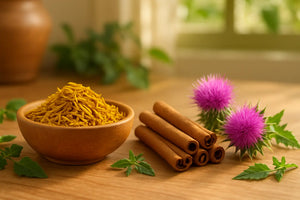
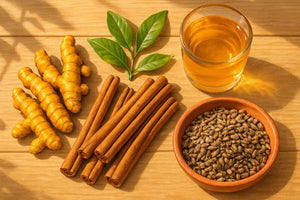
- Powerful Ayurvedic Herbs: Moringa, Ashwagandha, Brahmi, Turmeric, Giloy, Fenugreek, Cinnamon, Arjuna, Tulsi
- Health Benefits:
- Boosts immunity—prepares your body to fight illness
- Helps with tiredness—gives sustained energy
- Improves strength—for studies, sports, or daily work
- Improves skin and fixes acne—antioxidant and B-vitamin power
- Builds gut health—thanks to digestion-supporting herbs
- Purely vegetarian, certified and lab-tested formula
- Safe Limit: All ingredients follow safe RDA as per FSSAI.
- How to Use: Take 2 tablets daily, after meals (1 morning, 1 evening), for at least 6-8 weeks.
- Read more on ingredients and benefits.
Quora QnA: Real Questions, Real Answers from Gujaratis
-
Do all Gujaratis eat vegetarian foods or not?
Only about 14–15% of Gujaratis are non-vegetarian. Grocery markets strongly support vegetarian options; finding meat can be hard in many cities. See discussion. -
What are the most common nutritional deficiencies in vegetarian Indian diets?
Most common: vitamin B12, iron, zinc, and vitamin D. In Gujarat, calcium and omega-3s are also concerns.Read more -
What nutrients do you lack being vegetarian? How do you make up?
B12 is the biggest gap, but also iron, zinc, omega-3, and sometimes vitamin D. Use fortified foods and Ayurvedic blends.More advice here -
How did the Hindu community handle nutrient deficiencies in history?
Traditionally, Indian diets included ghee, fermented foods, lots of variety, and home remedies. But with modern packaged foods and less variety, deficiencies are much more common today.Explore discussion
How to Fill the Nutrient Gaps?
- Diversify Diet: Eat a colourful mix of grains, pulses, nuts, and seeds. Try new vegetables each week.
- Combine Right: Eat vitamin C foods (like lemon or amla) with your dals and leafy sabzis to boost non-heme iron absorption[1].
- Soak, Sprout, Ferment: Soak and sprout beans and grains to lower phytates and increase zinc and iron absorption.
- Sun Exposure: Stand in the morning sun for 20 minutes a day for better vitamin D. Eat more fortified foods.
- Monitor Health: Schedule regular health check-ups. Early testing for vitamin or mineral levels can prevent bigger problems.
- Supplement Support: For those who can’t fill all gaps through food, choose a trusted supplement like Daily All Day Vita Blend.
Want to dig deeper? See how Indian women face anaemia or the nutrient-rich tiffin ideas to further boost your knowledge.
Frequently Asked Questions
-
What is Ashwagandha?
Ashwagandha is a powerful adaptogen herb found in Ayurvedic medicine. It helps lower stress and enhances overall strength and immunity. Our Vita Blend includes Ashwagandha for added daily support. -
How does Ashwagandha help with stress?
It naturally reduces anxiety and stress by controlling the body’s stress hormone, cortisol. -
Is Ashwagandha safe for everyone?
Generally, yes. However, children, pregnant women, and lactating mothers should avoid it, and those on medication should consult a doctor first. -
What’s the best way to improve vitamin B12 levels for vegetarians?
Use fortified foods and targeted supplements, like Daily All Day Vita Blend, which includes safe, plant-sourced B12. -
Can Daily All Day Vita Blend help improve skin and energy?
Yes, its antioxidants, B-vitamins, and ayurvedic herbs support energy, clearer skin, and gut health.

Gujarat, known for its rich heritage of vegetarian food, faces real nutritional challenges when it comes to micronutrients, especially vitamin B12, iron, zinc, and vitamin D. This is not just a local problem—scientific studies confirm these micronutrient gaps can lead to fatigue, poor concentration, weaker immunity, and slow growth[1][2][3]. By making smart food combinations, including fortified and diverse foods, and using well-designed supplements like Daily All Day Vita Blend, these gaps can be filled for lasting health. The unique blend of 23 vitamins, minerals, and 23 ayurvedic herbs targets energy, immunity, gut health, and skin health—all while fitting easily into a Gujarat vegetarian lifestyle. Whether you’re curious about Indian tiffin culture or worried about your family’s vitamin needs, staying informed and proactive about micro and macro nutrients is crucial. For deeper insights, take a look at similar blogs on B12 & Omega-3 demand in Gujarat, anaemia in Indian women, and common thali deficiencies. Consistent care, the right supplements, and mindful food choices can keep you strong, energetic, and healthy as a vegetarian, no matter where you live in Gujarat.[4][5]