Rice-Based Diets & Daily Energy Balance in South India
Share
Table of Contents
- Introduction & The Rice Puzzle
- Why South Indians Eat So Much Rice
- What Science Says About Rice: Structure, Starch & Metabolism
- Ouora QnA: Common Questions on South Indian Rice Diet
- How Traditional Rice Meals Remain Healthy
- Ingredients Deep Dive
- Related Products: Daily All Day Gluco Wise & Sea Buckthorn Juice
- Popular Rice-Based Foods & FAQs
Introduction & The Rice Puzzle
Travel to Kerala, Karnataka or Tamil Nadu, and you’ll see rice plants in green fields and rice on almost every plate. Families enjoy sambar rice, rasam rice, lemon rice, mushroom rice, and more. Many wonder—does eating rice daily make you gain weight or mess up your energy? Oddly, most South Indians have lean frames and good energy levels, even with three rice-heavy meals every day. The answer lies in the science of rice, how it’s cooked, the types of rice eaten, and the meal composition. Understanding the rice-based diet is not just about avoiding fat; it’s about energy balance and traditional wisdom.
Why South Indians Eat So Much Rice
- Climate: Hot and humid weather makes rice easy to grow—especially varieties like parmal, rajmudi rice, and indigenous grains.
- Culture: Rice is part of rituals, family cooking, and is quick and filling.
- Energy: High-carb meals give quick energy, perfect for physical activities and long days.
Traditional meals use steamed or boiled white rice. But if you look closer, you’ll see they are paired with dals, rasam, sambar, curd, and a wide variety of vegetable curries. This balance is the secret to why people can eat rice daily without negative health effects.
What Science Says About Rice: Structure, Starch & Metabolism
Many believe all rice is the same or equally unhealthy. But recent research proves otherwise. Here’s how the science breaks down:
- Molecular Structure: The ratio between proteins (like glutelin and prolamin) and the structure of starch in rice grain controls digestion, glycemic index, and how full you feel[1].
- Resistant Starch: Rice varieties high in resistant starch digest slowly, avoid energy crashes, and are better for diabetes and weight control[6].
- Impact of Cooking: Boiling, fermenting (as in rice kanji or dosa batter), and even how long you store rice changes the starch, making it less likely to spike blood sugar.
- Rice Quality and Farming: How rice is grown—delayed sowing, climate, fertilizers—changes the taste, appearance, and even how healthy it is[4] and[2].
In fact, scientists now recommend specially bred rice with high resistant starch for diabetes and metabolic health[1].
Ouora QnA: Common Questions on South Indian Rice Diet
-
How are people from South India largely lean built, whereas the diet is very carbohydrate intensive?
- Most South Indians combine rice with dals, sambar (protein), veggies, and use little oil. They eat full meals, not constant snacks.
Read on Quora -
Rice is considered to make you fat. South Indians mostly consume a lot of rice, but they aren’t so fat. Why is this so?
- They practice moderation, combine rice with proteins, and rarely eat junk snacks or fried food.
Read on Quora -
Is a traditional South Indian rice-based diet unhealthy?
- Not at all. Carbs provide energy and, when balanced well, support active lifestyles.
Read on Quora -
Why do South Indians take rice in all 3 meals a day?
- Because rice is filling, easy to digest, and is often eaten with low-calorie sides like rasam or thin vegetable curries.
Read on Quora -
How are South Asians on a rice diet and still maintain good health?
- By portion control, including vegetables, pulses, and not loading the plate with only plain rice.
Read on Quora
How Traditional Rice Meals Remain Healthy
Some tricks that make rice-based meals healthy and avoid weight gain:
- Eat with proteins: Rice with sambar, rasam, or curd, and lentils (dal) increases satiety and helps muscle strength.
- Include vegetables: Add beetroot, carrot, onion, drumstick, and more. Think tomato rice, carrot rice, or beetroot rice.
- Limit fried snacks: Stick to meals, not constant munching.
- Rice varieties: Use red rice, rajmudi, or parboiled rice for more fiber and nutrients.
- Fermented rice: Dishes like dosa, idli, or rice kanji are light on the stomach and good for gut health. Learn more on fermented foods and gut health here.
Even egg fried rice or mushroom fried rice, if made at home, uses less oil and lots of vegetables, which supports daily energy without overloading calories.
Ingredients Deep Dive
Let’s look at what makes rice both a staple and a smart food for South Indians and pair it with modern nutrition insights:
- Rice Starch: The main energy source in rice. Some new methods, like esterifying rice starch with citric or malic acid, boost the amount of resistant starch, which means the body digests it slowly—giving long-lasting energy and a lower glycemic index[6].
- Proteins (Glutelin & Prolamin): Minor but vital—how much and what type of protein can affect the rice’s texture and the fullness it provides. Higher prolamin rice may be better for diabetes management[1].
-
Polyphenols & Antioxidants: Especially in colored rice types (like red or brown rice), these help protect against inflammation and cell damage.
Read more on antioxidant-rich foods here. - Vitamins & Minerals: Curd rice and rasam often have herbs and spices like curry leaves, turmeric, or mustard seeds, which add essential micronutrients.
- Traditional Additions: Side dishes like sambar and rasam boost dietary fiber, vitamin A, C, and minerals like iron or magnesium.
Only plain rice is not enough—what goes with it is what keeps the meal balanced and healthy. Brown rice, red rice, and fermented varieties also help in controlling glycemic response and boosting metabolism. For a full comparison between white, brown and red rice, read this guide.
Related Products: Daily All Day Gluco Wise & Sea Buckthorn Juice
Daily All Day Gluco Wise (90 Capsules)
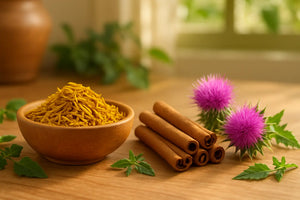
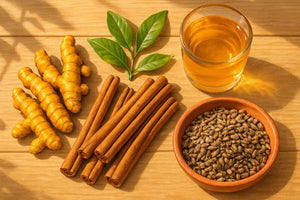
- Berberis Aristata (Daruhaldi): Blood sugar support & liver health
- Ceylon Cinnamon: Helps steady insulin, may support fat burn
- Milk Thistle: Antioxidant, liver protector, helps reduce fat in liver
- 100% plant-based, safe for long-term daily use
- For best results: 2 capsules daily for 6-8 weeks and pair with balanced meals.
Daily All Day Sea Buckthorn Juice (500ml)
- Sea Buckthorn: Rich in omega 3, 6, 7, 9, and vitamin C for skin, gut, and metabolism.
- Boosts immune function, supports liver, skin, and digestive lining.
- Pure, additive-free, especially good for hydration and natural glow.
- Best consumed: Mix with water, after meals, for at least 6 weeks for visible benefits.
See the Sea Buckthorn benefits here.
Popular Rice-Based Foods & FAQs
- Choru/Plain Rice: Foundation of most meals.
- Sambar Rice & Rasam Rice: Rice with dal and vegetable stews—very balanced.
- Curd Rice: Cooler for gut and easy on digestion.
- Lemon Rice, Tomato Rice, Beetroot Rice: Flavored, spiced, and colorful; gets extra nutrients from veggies.
- Mushroom Rice & Paneer Rice: Packs added protein.
- Egg Fried Rice (home-cooked): A good mix of carbs and protein for energy and recovery.
- Brown/Red Rice: Higher in fiber and minerals, helpful for those watching blood sugar.
- Fermented Rice: Idli, dosa, kanji support good gut bacteria and better digestion.
Frequently Asked Questions
-
What is resistant starch in rice and why does it matter?
Resistant starch is a type of carbohydrate that the stomach digests slowly, helping to keep you full and avoid blood sugar spikes.[1] -
Should I only eat brown rice or is white rice fine too?
White rice, when eaten with protein and veggies, is not harmful. Brown and red rice offer more fiber. Balance is key. -
Are rice-based diets safe for people with diabetes?
Choosing rice with higher resistant starch or pairing with protein helps manage blood sugar. For extra support, products like Daily All Day Gluco Wise are helpful. -
Does daily rice eating cause nutritional deficiencies?
Not if you balance meals with vegetables, pulses, and spices. Read more about micro and macronutrient gaps in Indian diets in our nutrient deficiency article here. -
How can I make my rice meals healthier?
Switch up rice varieties, add more veggies and pulses, avoid too much frying, and try fermented dishes for gut health.
Rice-based diets are an important and unique part of South Indian eating habits, with white rice being the staple in meals such as sambar rice, rasam rice, lemon rice, and curd rice. Despite concerns about polished rice and high carbohydrate intake, the people in South India often remain lean and energetic, thanks to balanced meal compositions, inclusion of proteins, and moderation in snacking. Scientific studies have shown how rice's molecular structure, resistant starch content, and even agricultural practices influence its digestibility and impact on health—such as the positive effect of modified starch for a lower glycemic index and better metabolic support[1][6].
Key lifestyle habits in South India, including high vegetable intake and smart food combinations, help maintain energy balance. Adding functional products like Daily All Day Gluco Wise and Sea Buckthorn Juice, both rich in plant-based, science-backed ingredients, can further help with metabolism and blood sugar management. For readers interested in better understanding natural ingredients and holistic nutrition, check this blog on The Power of Research-Backed Natural Ingredients.
In summary, rice-based diets—when constructed thoughtfully—are not the enemy of health. By choosing quality rice, mixing in proteins and fiber, staying active, and exploring innovative ingredients, South India’s daily meals continue to support a healthy energy balance and overall wellness[2][4][3].