Rice-Heavy Diets & Energy Balance in South India
Share
Table of Contents
- Why Rice is Everywhere in South India
- Quora Insights: Real People, Real Questions
- Ingredients Deep Dive: Rice Types & Science
- How South Indians Stay Lean on Rice
- Smarter Rice Choices in Daily Life
- Supporting Health: Daily All Day Products
- Frequently Asked Questions
Why Rice is Everywhere in South India
Imagine waking up in a bustling South Indian home. The aroma of steaming rice fills the kitchen. Breakfast table offers Idli, curd rice, or maybe coconut rice and sambar rice. Lunch? A big plate of plain rice, rasam rice, or lemon rice with lots of veggies, sometimes some egg rice, mushroom rice, or even fragrant biryani. There is no true evening snack without rice-based snacks like choru, chorumuri, or lemon rice left-overs.
So, why do people eat so much rice? And if you eat rice three times a day, will you get fat? This is a question that pops up everywhere—school, family groups, fitness blogs, and even Quora.
Quora Insights: Real People, Real Questions
-
Is a traditional South Indian rice-based diet unhealthy?
- Some people feel they gain weight when they eat too much rice.
- Balanced meals make all the difference—it’s not just the rice but what comes with it.
-
Why do South Indians eat rice all day?
- Many pair rice with dal, rasam, sambar, or curd—low calorie, high nutrition sides help control calories overall.
- Rasam rice is especially light and balances the rest of the meal.
-
Rice makes you fat. Why aren't most South Indians fat?
- They eat vegetables, dal, and yogurt with rice—they don’t eat only rice.
- Many walk or work hard every day, burning extra calories.
-
How are South Indians largely lean despite eating a lot of carbs?
- They balance rice with proteins and veggies—accompaniments matter a lot.
- Regular meal times, portion control, and activity are key.
-
How can South Indians manage weight with white rice meals?
- Control serving size of rice.
- Make sure to include dal, sambar, rasam, stir-fried or steamed veggies, yogurt, or even egg curry for protein.
Ingredients Deep Dive: Rice Types & Science
1. Rice Types in South India
- White Rice: Most common; soft and quick to cook. Parboiled rice is preferred for meals like lemon rice, sambar rice, and more.
- Red Rice: Rich in fiber, antioxidants. Used more in Kerala for sambar rice and rasam rice.
- Basmati & Kaima Rice: For special dishes like biryani (kaima rice or pakistani biryani), or for fried rice types like egg fried rice, arancini, or even mushroom fried rice.
- Brown Rice: Unpolished, more fiber and nutrition. Not as common but growing in popularity in some health-conscious homes (brown rice in tamil cuisines).
- Curd Rice, Coconut Rice, Lemon Rice: Not rice types themselves, but unique ways South Indians flavor and consume rice for different health benefits.
2. What Makes Up Rice? (Science & Nutrition)
-
Amylose vs. Amylopectin: Every grain of rice has different ratios of these two starches.
- Amylose: Slower to digest, less sticky. High-amylose rice means longer-lasting fullness and a slower rise in blood sugar [1].
- Amylopectin: Gets digested quickly—can spike blood sugar. Short-grain and glutinous rice are higher in amylopectin.
- Protein in Rice: Protein content actually affects how firm or sticky cooked rice gets. Studies show it can help stabilize energy by slowing digestion [3].
- Starch Quality & Processing: How rice is grown, processed, and even cooked can affect chalkiness, stickiness, fiber, and nutrient content. Late planting improves quality and taste [5].
3. Glycemic Index and Blood Sugar
- Glycemic Index (GI): Shows how fast a food raises blood sugar. Low-GI rice is healthier for weight control and diabetes [1].
- Factors That Lower GI:
- High amylose and resistant starch content
- Eating rice cold next day (think leftover lemon rice, curd rice)
- Adding lemon, curd, and fiber-rich veggies lowers rise in blood sugar
4. Rice and Gut Health
- Fermented rice (soaked overnight and eaten as pazhaya choru or with curd) offers probiotic benefits that aid digestion and gut comfort, especially for those with sensitive stomachs or IBS.
How South Indians Stay Lean on Rice
South Indians have been eating rice for centuries and still show some of the leanest builds. How?
- Balanced Plate: Meals never focus on rice alone. Dal (lentils), sambar (vegetables + dal), rasam (peppery & light), stir-fried vegetables, and chutneys (coconut, tomato, mint, etc.) create a balanced, satisfying meal.
- Portion Control: Rice fills about 1/3rd to 1/2 the plate—never the whole plate!
- Fermented Foods: Idli, dosa, and fermented rice (pazhaya choru) help improve gut health and boost absorption of vitamins and minerals. Read more about fermented foods and gut health.
- Active Lifestyles: Walking, household chores, farming, or simply being on the move help burn off the calories consumed.
Misconceptions Debunked:
- Rice Alone Causes Weight Gain: Only if you eat too many calories overall or pair it with fried foods or sweets often.
- Biryani vs Plain Rice: Biryani (egg biryani, mushroom rice, pakistani biryani) or fried rice is usually more calorie-rich, but ok for special occasions. Everyday meals with sambar or rasam rice, lemon rice, or curd rice are lighter.
- South Indian Rice vs North Indian Wheat Diets: Both can be healthy or unhealthy depending on preparation and accompaniments. Want to know more about regional nutrition? Check out North Indian nutrition gaps.
Smarter Rice Choices in Daily Life
Wondering how to make your rice-based meals healthier without giving up on taste?
- Use more brown rice, red rice, or parboiled rice for extra fiber and minerals.
- Add dal, beans, or paneer for protein (try sambar rice, rasam rice, or paneer rice).
- Add vegetables (carrot rice, beetroot rice, mushroom rice, tomato rice, lemon rice, potato rice).
- Make fried rice varieties healthier by adding more veggies and using less oil (try egg fried rice, paneer fried rice, prawn fried rice with less oil).
- Ferment your rice or opt for leftover rice (for lemon rice, curd rice, coconut rice)—fermentation lowers GI and improves gut health.
- Balance portions—stop eating when 80% full.
- Try to avoid eating plain rice with only pickles or papads—add at least one protein or veggie dish.
- Stay hydrated. Drink enough water, especially if you eat a lot of rice, as it absorbs a lot during cooking and in your stomach.
Supporting Health: Daily All Day Products
1. Daily All Day Gluco Wise (90 Capsules)
-
Key Ingredients:
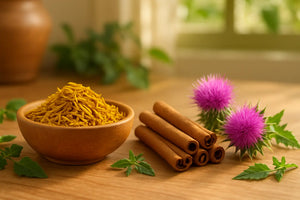
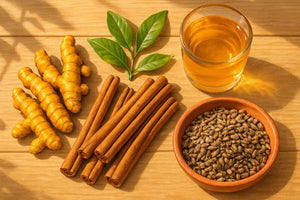
- Berberis Aristata (Daruhaldi): Supports healthy blood sugar balance and liver function.
- Ceylon Cinnamon: Helps regulate insulin and improves metabolic rate.
- Milk Thistle: Aids in detox, supports healthy cholesterol, and boosts antioxidant levels.
-
Benefits:
- Helps manage high cholesterol and blood sugar
- Supports liver detoxification and reduces fatty liver
- Rich in antioxidants and has anti-inflammatory effects
- Boosts metabolism for better energy balance and utilization
- 100% Vegetarian, certified, and safe
- How to consume: 2 capsules daily after meals (1 morning, 1 evening), consistently for 6-8 weeks
2. Daily All Day Sea Buckthorn Juice (500ml)
-
Key Ingredients:
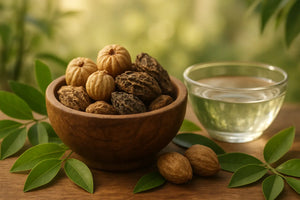
- Sea Buckthorn Pulp: Loaded with Omega 3, 6, 9, and rare Omega 7. Provides Vitamin C and E, flavonoids, and carotenoids.
-
Benefits:
- Boosts metabolism and supports digestive health (useful for rice-heavy diets)
- Improves heart health (cholesterol management)
- Promotes glowing skin, strong hair, and helps in gut balance
- All natural, no added sugars or artificial colors
- How to consume: 3 spoons in a glass of water, 2x daily, not on empty stomach. Best results in 6-8 weeks.
Want to learn more about gut health and hydration? Read about Sea Buckthorn and wellness here.
Frequently Asked Questions
-
What is the healthiest type of rice to eat regularly?
Brown rice and red rice (unpolished), as they contain more fiber, protein, vitamins, and minerals compared to plain white rice. These types are also digested slowly, keeping you full longer and controlling blood sugar better. -
How much rice should I eat for weight loss or health?
One cup (cooked) of rice per meal, paired with lots of vegetables, dal, sambar, or rasam, is usually enough. Portion control is key—avoid heaping plates or extra servings, especially at night. -
Does rice increase blood sugar quickly?
It depends! White, refined rice has a higher glycemic index, so it can raise blood sugar faster than brown/red rice or rice eaten with protein and fiber. Add dal or veggies to slow down the sugar spike [1]. -
Can I eat rice three times daily and still be healthy?
Yes, if you have a balanced meal, control your portions, choose fiber-rich rice, and move your body. Many South Indians do this without weight or sugar problems, thanks to traditional eating patterns and active lifestyles. Choose lighter options (like rasam rice, curd rice) for dinner. -
Are food supplements like Gluco Wise or Sea Buckthorn Juice necessary?
They are not mandatory, but these supplements provide targeted support for people struggling with blood sugar, cholesterol, fatty liver, or needing a metabolism boost, especially when traditional dietary changes alone aren't enough. -
What makes South Indian rice dishes less fattening?
The secret is pairing rice with high-protein and fiber-rich sides, sensible portions, and fermented/inclusion foods; this keeps you fuller and curbs unhealthy snacking habits. -
Does eating rice at night make you gain weight?
Eating excess calories—rice or anything else—at night can cause weight gain. Stick with lighter rice preparations (curd rice or lemon rice) and avoid over-eating to stay in energy balance.
Rice is the heart of most South Indian diets. With versatile dishes like rasam rice, lemon rice, coconut rice, curd rice, and even fried rice, it's natural to worry about its impact on health and weight. But the science shows it's not just about eating rice, but how you eat it and what you eat alongside it. Rice quality, especially amylose and protein content, plays a big role in digestibility, energy, and even the risk for diabetes according to various research [2]. Sticking to traditional accompaniments like dal, vegetables, and fermented foods offers nutrients and helps balance blood sugar.
Daily All Day products like Gluco Wise and Sea Buckthorn Juice can further help manage metabolism, blood sugar, cholesterol, and overall wellness. For best results, combine healthy rice selections, South Indian meal patterns, and modern nutritional tools to keep your diet wholesome and energetic.
Remember, it's possible to enjoy a rice-heavy diet without worrying about weight gain when you mind your portions, choose the right types of rice, and add fiber, protein, and healthy fats. The right balance is key to thriving – just like South Indians have proven for generations.
Key Research Citations:
[1] [2] [3] [4] [5] [6]