Rugda Mushrooms: India’s Forest-Foraged Tribal Food with Natural Umami Nutrition
Share
Table of Contents
- Story and Introduction
- What Are Rugda Mushrooms?
- Ingredients Deep Dive: Rugda Mushroom Nutrition
- The Science of Umami: Why Rugda Tastes So Good
- Foraging, Tribal Culture & Income
- How Rugda Mushrooms Are Cooked & Eaten
- Quora Q&A: Rugda, Umami, and Foraging in India
- Challenges, Threats & Conservation
- Related Products from Daily All Day
- Frequently Asked Questions
A Taste of the Forest: Introduction and Hook
Imagine walking into the thick, green forests of Jharkhand after a heavy monsoon rain. The smell of damp earth fills the air, and tribal harvesters gently dig under the roots of tall sal trees. What are they searching for? A round, brown treasure hidden in the soil—Rugda mushrooms, nature’s wild, plant-based answer to ‘umami’ flavor.
Known as vegetarian mutton for its rich, meaty taste and chewy bite, this rare mushroom gives local foods a magical savory punch. Today, Rugda is becoming famous far beyond these forests, not just for its flavor but its health benefits and its story that spans generations.
What Are Rugda Mushrooms?
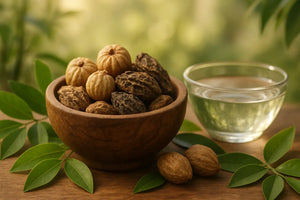
Rugda mushrooms, also called Astraeus hygrometricus or “Futka,” “Pattu,” or “Khudki” in regional languages, are wild edible fungi. For centuries, tribal families of eastern India—especially in the Chotanagpur plateau, West Bengal, and Jharkhand—have welcomed the monsoon rains by hunting for these round mushrooms below the forest floor. They are called ‘vegetarian mutton’ because of their taste and texture, making them popular even for people who avoid meat.
- Origin: Only found under the roots of sal trees in rainy season (July to September).
- Ecology: Grows in humid, undisturbed forests, forms a symbiotic bond with sal trees.
- Harvest: Collected by hand and brought fresh to local markets within hours of picking. Very few are sold outside the region.
Ingredients Deep Dive: Rugda Mushroom Nutrition
Rugda mushrooms are a nutrition superstar:
- High Protein: Nearly 3.7g in 100g—excellent for a plant food.
- Rich Fiber: Over 3g fiber for better digestion and gut health.
- Good Carbs: Slow-released for lasting energy.
- Very Low Fat: Less than 0.5g in 100g—great for low-fat diets.
- Omega 3s: Unlike most fungi, Rugda has trace omega-3 fatty acids, which are rare in plant foods.
- Vitamins: High in B2, B3, and even B12 (rare for vegetarian foods).
- Minerals: Plenty of potassium, copper, magnesium, iron, and phosphorus—all needed for strong nerves and better blood health.
- Bioactive Compounds: Contains antioxidants, and compounds with antimicrobial, anti-inflammatory, and even anticancer effects, as shown in scientific studies [4].
For those exploring balanced diets and micronutrient gaps, Rugda mushrooms are an easy add for protein and minerals without adding junk or hidden calories.
The Science of Umami: Why Rugda Tastes So Good
What is Umami? It’s the ‘fifth taste’ (after sweet, salty, bitter, sour)—a deep, mouthwatering savory flavor you feel with a sip of tomato sauce or a mushroom-rich bite. What makes Rugda so special is that it’s packed with umami-giving compounds—mainly glutamic acid, guanylic acid and other amino acids that activate our taste buds’ special umami receptors [3].
Many Indian foods are high in natural umami, not just Rugda—think tomatoes, aged cheese, fermented foods, and other mushrooms. But wild mushrooms like Rugda have intense natural levels of umami, making them prized as a meat substitute [1] [6]. Even science confirms—you’ll find flavor-boosting disodium guanylate and inosinate inside many wild species. These help enhance other flavors and make vegetarian dishes taste much ‘heartier.’
Did you know?
- Cooking the mushrooms (especially sauteing or browning) raises their umami content even more.
- Rugda’s flavor is so unique that it’s called ‘vegetarian mutton’ and is used in recipes where meat is usually preferred.
Read more about traditional umami-rich foods and their health effects on our Ker Sangri Ki Sabji article.
Foraging, Tribal Culture & Income
Foraging Rugda is both an income source and a way to keep tradition alive:
- Tribal families, especially women, collect Rugda mushrooms during monsoon mornings.
- Sold fresh in local markets at prices from Rs 800 to Rs 1,500 per kg.
- Extra income from this harvest supports food, healthcare, and education for tribal communities.
- Many local festivals and rituals include Rugda in their feasts, giving it a spiritual and social meaning.
How Rugda Mushrooms Are Cooked & Eaten
- Curry: Rugda is stewed in spicy, mustard-based gravies or stir-fried with onions, tomatoes, and chilies.
- Snack: Sliced or whole Rugda mushrooms are battered and fried into crunchy pakodas—a top monsoon snack!
- With Rice or Roti: Their texture means you can swap out mutton or chicken in most standard recipes.
- Simple Sautée: For the pure umami flavor, simply sauté in oil with a bit of salt and turmeric.
Tribal cooking keeps seasoning light to celebrate Rugda’s flavor. If you’re inspired by traditional diets and the idea of plant-focused nutrition, check out our guide for hidden nutrient gaps in Indian thalis.
Quora Q&A: Rugda, Umami, and Foraging in India
-
Does any Indian food contain the 5th taste, 'umami'?
Yes! Foods like mushrooms, tomatoes, aged cheese, soy sauce, and now Rugda mushrooms are rich in natural umami. -
What makes Rugra (Putu) so distinct?
It grows wild, under the soil near sal trees, and is only found during the monsoon—plus, it’s got a meaty, umami-filled bite that’s hard to find elsewhere. -
Why do mushrooms contain so much umami?
They’re loaded with glutamic acid and guanylic acid—natural flavor boosters! -
What are the benefits of foraging for mushrooms?
Besides nutrition—zinc, natural insulin, cholesterol-lowering and supporting healthy skin—foraging helps keep tradition and community bonds strong.
To explore foraged foods in your daily life, see our take on nutrition for ageing well and the benefits of daily ingredient research and wellbeing.
Challenges, Threats & Conservation Needs
- Fast Spoilage: Rugda must be eaten or processed within 8 hours of harvesting—meaning only those near the forests can enjoy it fresh. This makes it tough to buy Rugda mushrooms online safely.
- Habitat Under Threat: Sal forests, which nurture these mushrooms, are shrinking due to mining, timber extraction, and climate shifts.
- Over-collection: With rising demand and limited harvest, some areas face risks of extinction without proper care.
What’s Needed:
- Protect Sal tree forests with community-led conservation.
- Train locals in sustainable foraging and ethics.
- Research ways to cultivate Rugda mushrooms outside forests so more people can enjoy them without harming nature.
- Encourage eco-friendly packaging and cold chains for safer regional delivery.
Related Products from Daily All Day
- Looking for more natural, plant-based umami or immune-boosting recipes? Try recipes with Manathakkali Keerai for digestion or learn about fermented foods for gut health.
- If you want a ready source of anti-inflammatory plant-based ingredients, check out our ingredient benefits blog.
Frequently Asked Questions
-
What exactly is Rugda mushroom?
It’s a rare wild edible fungus (Astraeus hygrometricus) found almost only in India’s sal forests during the rainy season. It’s prized for its meaty texture, rich umami flavor, and unique nutrition. -
Why is Rugda called ‘vegetarian mutton’?
Because it has a flavor and chewiness similar to meat due to its natural glutamic acid and umami-enhancing compounds [6]. -
Can I buy Rugda mushrooms online?
Fresh Rugda is very perishable, so shipping is difficult. Some dried versions or preserved pickles are sometimes available on special local sites, but always check freshness and source to preserve health value. Search for rugda mushroom buy online to check availability. -
What health benefits does Rugda offer?
Rugda mushrooms provide protein, fiber, B-vitamins (especially B2, B3, and B12), omega-3s, and essential minerals. They have natural anti-inflammatory, antioxidant, and antimicrobial effects, and can play a role in a balanced diet and chronic disease prevention [4]. -
Do Rugda mushrooms help with digestion?
Yes, their high fiber content supports healthy digestion and gut flora, similar to other dietary fibers in plant foods. Read more about fiber-rich foods in our blog on digestive benefits of Manathakkali Keerai.
Conclusion:
Rugda mushrooms are not just a rare and delicious ingredient from the forests of eastern and central India—they represent nutritional power, deep cultural ties, and a unique umami boost for the vegetarian plate. Their high protein, fiber, and micronutrient content make them a special part of the diet, especially for those seeking natural, plant-based nutrition, or looking to add the fifth taste, umami, to their meals. They are also dense in health-promoting antioxidants and anti-inflammatory properties, as confirmed by scientists and traditional knowledge alike.
But more than their flavor, Rugda mushrooms support tribal livelihoods and reflect sustainable food traditions that respect both nature and nutrition. Keeping these traditions alive and protecting their forest habitat is vital—a step towards biodiversity conservation and honoring Indigenous food wisdom.
If you’re able to source fresh Rugda mushrooms or want to try similar umami-rich foods, remember their story in every bite—a taste of India’s wild nutrition and heritage. For more on how traditional foods heal, visit our blog on fermented foods and gut health or explore balanced plant-based diets on our blog about nutritional tips for a healthy lifestyle.
Citations: For the scientific insights into mushroom nutrition, umami flavor, and health benefits, see [1], [2], [3], [4], [5], [6].