Ayurveda Meets Science: Ancient Wisdom for Modern Health?

Have you ever heard your grandmother recommend a pinch of turmeric for a cough or a special herbal mix for an upset stomach? For generations, these home remedies have been passed down, and for many of us, they just... work. This ancient wisdom, especially from India, is a part of a 3,000-year-old system of medicine called Ayurveda. It's all about creating balance in your body, mind, and spirit for overall health.
Today, Ayurveda is more popular than ever. From yoga studios to health food stores, you see its influence everywhere. But with all this popularity, a big question arises: Does this ancient science hold up in the modern world? What does today's research say about it? Let's journey through what Ayurveda truly is, what science supports, where the doubts lie, and how you can use this ancient system safely and effectively.
Table of Contents
- What is Ayurveda? A Simple Guide
- Part 1: What Science Says 'Yes' To in Ayurveda
- Part 2: The Scientific Criticisms of Ayurveda
- Ingredients Deep Dive: Powering Your Health the Right Way
- Common Questions From Around the Web
- Do's and Don'ts: Your Guide to Using Ayurveda Safely
What is Ayurveda? A Simple Guide
At its heart, Ayurveda is about balance. It believes that everyone is made up of a unique mix of three fundamental energies, or doshas:
- Vata (Air and Space): This energy governs movement. Think breathing, blinking, and blood circulation. People with a dominant Vata dosha are often creative, energetic, and lively. When out of balance, they might feel anxious or scattered.
- Pitta (Fire and Water): This dosha controls digestion, metabolism, and hormones. Pitta-dominant people are often intelligent, focused, and ambitious. If their Pitta is too high, they can become irritable or suffer from inflammation.
- Kapha (Earth and Water): This energy provides structure and lubrication to the body. People with a strong Kapha nature are typically calm, loving, and steady. An imbalance can lead to weight gain, congestion, and lethargy.
Ayurveda teaches that your health depends on keeping your unique mix of Vata, Pitta, and Kapha in balance. This is achieved through diet, lifestyle, herbal remedies, and practices like yoga and meditation.
Part 1: What Science Says 'Yes' To in Ayurveda
While some Ayurvedic concepts are hard to measure, modern science is starting to prove that many of its core practices are incredibly effective. Let's look at a few examples.
1. Turmeric (Curcumin): The Golden Healer
That yellow spice in your kitchen? It's a powerhouse. Turmeric contains a compound called curcumin, which is a potent anti-inflammatory and antioxidant. Studies have shown it can help reduce inflammation markers in the body, which is a root cause of many chronic diseases.
2. Ashwagandha: The Stress Buster
Ashwagandha is an adaptogen, which is a fancy word for a plant that helps your body handle stress. Modern research confirms this. Clinical trials have shown that it can lower cortisol (the stress hormone), reduce anxiety, and even improve sleep quality.
3. Triphala: The Gut Guardian
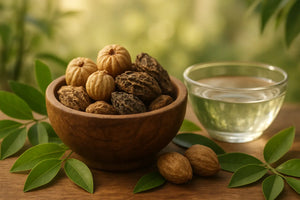
Triphala, a blend of three fruits (Amla, Baheda, and Harad), is a classic Ayurvedic remedy for digestive health. Studies have found that it can help relieve constipation, improve the growth of good gut bacteria, and support overall gut health.
4. Yoga and Pranayama: Mind-Body Medicine
Ayurveda has always recommended yoga and controlled breathing (pranayama) for health. Science now shows that these practices can lower blood pressure, reduce bad cholesterol, calm the nervous system, and improve mental well-being.
Part 2: The Scientific Criticisms of Ayurveda
It's not all sunshine and roses. The scientific community has some serious concerns about Ayurveda, and it's important to know them to stay safe.
1. Heavy Metal Contamination
This is the biggest red flag. Some traditional Ayurvedic formulas, known as "rasa shastra," intentionally use metals like mercury, lead, and arsenic, believing they have therapeutic properties when purified. However, studies have found dangerous levels of these heavy metals in some Ayurvedic products sold online, both in India and the US. This can lead to severe poisoning.
2. Lack of Standardization
If you buy an aspirin, you know exactly what you're getting. With many Ayurvedic products, it's not so clear. There are no universal standards for purity, dosage, or quality. This means the same product from two different brands could have vastly different effects and safety profiles.
3. Not Enough High-Quality Studies
While there is promising research, many Ayurvedic treatments haven't been studied in large, high-quality clinical trials—the gold standard of modern medicine. This makes it hard for doctors to recommend them confidently.
Ingredients Deep Dive: Powering Your Health the Right Way
Knowing the challenges, how can you safely enjoy the benefits of Ayurveda? The key is choosing products from brands that are transparent, certified, and committed to quality. Let's explore how Daily All Day bridges this gap.
Daily All Day Vita Blend (120 Tablets)
Feeling tired, weak, or just not your best? Our Vita Blend is designed to fill the nutritional gaps that modern diets often leave. It's a synergistic mix of over 40 essential nutrients and herbs.
- What's Inside? It combines 23 Vitamins and Minerals (like Vitamin B complex, D3, and Zinc) with 23 powerful Ayurvedic Herbs, including Ashwagandha, Curcumin, Panax Ginseng, and Moringa.
- What Does It Do? This holistic formula boosts immunity, increases energy levels, enhances strength, and supports gut health. It’s perfect for anyone feeling weak, dealing with acne, or simply wanting to maintain overall wellness.
- Why Trust It? It is 100% vegetarian, non-toxic, and rigorously tested. It’s FSSAI approved, ISO, HACCP, and GMP certified, ensuring you get a pure and safe product.
Explore Daily All Day Vita Blend
Daily All Day Triphala 1:2:3 (120 Tablets)
For centuries, Triphala has been a trusted home remedy for digestive issues in India. Our formula brings this ancient wisdom to you in a convenient, safe form.
- What's Inside? It contains Amla (rich in Vitamin C), Baheda (for detoxification), and Harad (for digestion).
- The Traditional Formula: We follow the classic 1:2:3 ratio given by the sage Maharishi Vagbhata, which is considered the most effective blend for balancing the gut.
- What Does It Do? It helps reduce bloating, cleanses the colon, relieves constipation, and improves overall bowel health. It can also be beneficial for hyperacidity and weight management.
- Why Trust It? Like all our products, our Triphala is lab-tested and certified, ensuring you get the pure, traditional benefits without any harmful additives.
Discover Daily All Day Triphala 1:2:3
Common Questions From Around the Web
Many people are curious and skeptical about Ayurveda's place in the world. Here are some common questions found on platforms like Quora, along with some insights:
-
Why has Ayurveda not spread more outside India?
Many Ayurvedic medicines haven't been tested using modern scientific methods. Without large-scale clinical trials that meet international standards, it's hard for it to be accepted as mainstream science globally. -
Is Ayurveda truly scientific?
While many of its principles and herbs are being proven effective, Ayurveda as a whole system is not fully validated by modern science yet. It's an ancient system of wisdom, and science is slowly catching up to understand *why* some of its remedies work. -
Is using Ayurvedic medicine an insult to modern medicine?
Not at all! Many people use both. Modern medicine is fantastic at treating acute illnesses and emergencies. Ayurveda excels at prevention, managing chronic conditions, and promoting a healthy lifestyle. They can work together. -
Is ancient Indian knowledge like Ayurveda overlooked by modern science?
Historically, yes. But that's changing. Researchers are now very interested in ancient systems like Ayurveda because they offer a treasure trove of potential new treatments and a more holistic view of health.
Do's and Don'ts: Your Guide to Using Ayurveda Safely
Ready to give Ayurveda a try? Here's how to do it smartly.
DO:
- Use it as a complement to medical care. Think of Ayurveda for wellness and prevention, but always see a doctor for serious illnesses.
- Choose certified and tested products. Look for brands that are transparent about their testing (like FSSAI, GMP).
- Start with well-researched herbs. Stick to single herbs like Turmeric, Ashwagandha, or simple formulas like Triphala that have scientific backing.
- Consult a qualified practitioner. If you want to go deeper, find a trained Ayurvedic doctor or practitioner.
DON'T:
- Rely on it alone for serious illness. Never stop or delay conventional medical treatment for conditions like cancer or heart disease.
- Buy from unknown sources. Avoid products without proper labeling or quality certifications to prevent contamination.
- Believe claims of 'miracle cures'. If it sounds too good to be true, it probably is.
- Take formulas with heavy metals. Steer clear of any product that lists mercury, lead, or arsenic as an ingredient.
Frequently Asked Questions
- 1. Is Ayurveda scientific?
- Ayurveda is an ancient system of medicine based on observation and experience over thousands of years. While not all of its concepts have been proven by modern science, many of its herbal remedies and lifestyle practices (like yoga, meditation, and diet) are now backed by scientific research. Science is increasingly validating the wisdom behind many Ayurvedic principles, especially in the areas of inflammation, stress management, and gut health.
- 2. What are the three doshas (Vata, Pitta, Kapha) in simple terms?
- The doshas are three types of energy that Ayurveda believes govern our bodies. Vata is the energy of movement (like breathing and blood flow). Pitta is the energy of digestion and metabolism (how you process food and thoughts). Kapha is the energy of structure and lubrication (your body's stability and fluid balance). Everyone has a unique mix of all three, and keeping them in balance is the key to health.
- 3. Is it safe to take Ayurvedic medicine?
- It can be, but you have to be careful. The main safety concern is contamination with heavy metals and a lack of quality control in some products. To stay safe, always choose products from reputable brands that are lab-tested, certified (e.g., GMP, FSSAI approved), and transparent about their ingredients. Avoid products from unknown sellers or those that make extreme claims.
- 4. Can I use Ayurveda alongside my regular modern medicine?
- Yes, and this is often the best approach. Ayurveda is excellent for promoting overall wellness, preventing illness, and managing chronic lifestyle issues. Modern medicine is essential for diagnosing and treating acute and serious diseases. They can complement each other very well. However, it's crucial to inform your doctor about any Ayurvedic supplements you are taking, as some herbs can interact with prescription medications.
- 5. Why should I choose a certified Ayurvedic product?
- Certification is your guarantee of safety and quality. Certifications like GMP (Good Manufacturing Practice), ISO, and FSSAI (Food Safety and Standards Authority of India) ensure that the product has been made in a clean environment, contains what it says on the label, and has been tested for harmful contaminants like heavy metals. It separates trustworthy products from risky ones.

Final Thoughts: Bridging Ancient Wisdom and Modern Science
So, where does that leave us? Is Ayurveda a miracle cure or an outdated practice? The truth, as it often is, lies somewhere in the middle. This blog is not about blindly defending Ayurveda; it’s about exploring it with curiosity. The wisdom of Ayurveda offers incredible insights into holistic health, emphasizing prevention, balance, and listening to your body. Practices like using Turmeric for inflammation, Ashwagandha for stress, and Triphala for digestion are now being validated by modern research.
However, it's crucial to be smart and safe. The concerns about heavy metals and lack of standardization are real. This is why choosing products from brands that prioritize safety, purity, and quality is non-negotiable. At Daily All Day, our products like the Vita Blend and Triphala 1:2:3 are FSSAI approved, GMP certified, and lab-tested to ensure they are free from harmful contaminants. We combine the best of Ayurvedic tradition with the safety standards of modern science.
Think of Ayurveda as a valuable partner in your wellness journey, not a replacement for your doctor. By integrating its proven principles and using trusted, high-quality supplements, you can create a powerful, balanced approach to health that honors both ancient wisdom and modern evidence.
Join the Discussion
What are your thoughts on integrating Ayurvedic practices into modern wellness? Share your experiences in the comments below!