Women’s Daily Nutrition Needs Often Ignored in India
Share
Women’s Daily Nutrition Needs Often Ignored in India
Table of Content
- Introduction & Hidden Nutrition Gaps
- Nutrient Deprivation in Indian Women: The Reality
- Socio-Economic and Cultural Barriers
- Ingredients Deep Dive: Filling the Gaps
- How Daily All Day Fulfills Daily Nutrition
- Ouora QnA Insights: Real Questions, Honest Answers
- Practical Solutions for Better Women’s Nutrition
- Frequently Asked Questions
Introduction & Hidden Nutrition Gaps
Imagine starting every day not with energy and focus, but with tiredness, bloating, stomach pain, and weak immunity. For millions of women in India, this isn’t just a bad morning – it’s the reality of living with hidden nutrition gaps and micronutrient deficiencies. A diverse traditional Indian thali may seem complete, but the actual intake of vital nutrients like iron, vitamin D, and B12 often falls short. That’s why the daily nutrition needs of women in India are often ignored, sometimes making common issues worse instead of better!
Nutrient Deprivation in Indian Women: The Reality
- 61% women in India are vitamin D deficient.
- 54% suffer from iron deficiency, a major cause of tiredness and anemia.
- Over half (53%) are low in vitamin B12, crucial for energy and nerve health.
- 37% have folic acid deficiency, important for healthy blood and fetal development.
- 17% are iodine deficient, affecting thyroid and brain health.
These alarming numbers often mean more hospital visits, weaker immune systems, fragile bones, and higher risks during pregnancy. Underlying this situation are Indian food habits and lack of dietary diversity, despite having so many food options around us.
- Low protein diets are common. Few realize that everyday foods like chickpeas, besan, or green peas can provide plant-based protein. But these are often consumed in small amounts.[Ouora QnA]
- Out of 100 Indians, over 80 do not meet their daily protein needs, and this is even higher among women.[Ouora QnA]
- Poor intake of calcium and vitamin D is another concern for bone health, especially among women over 50.[5]
Key Health Impacts
- Anemia (especially among teens and pregnant women)
- Low immunity and frequent infections
- Muscle weakness and chronic tiredness
- Osteoporosis and fragile bones in older women
Socio-Economic and Cultural Barriers
Why are women’s nutrition needs so often overlooked?
- Preference for feeding men and children first in many homes
- Girls are expected to eat less or limit fats and dairy for social reasons[Ouora QnA]
- Many believe a woman’s role is to adjust and sacrifice, even nutritionally
- In rural and tribal areas, lack of economic resources and access to fresh produce
- Lack of awareness about what nutrients are actually required
- 73% of all Indians are protein deficient
- Over 90% have no idea of their own daily protein requirement
According to a detailed study of rural and tribal women, 63% had a BMI below 18.5 kg/m², indicating undernutrition and long-term health risk.[7]
Ingredients Deep Dive: Filling the Gaps
Let’s take a close look at what scientifically helps overcome these nutritional challenges. Nutrients like iron, vitamin D, calcium, vitamin B12, and protein are most commonly lacking in Indian women’s diets. But how to get them?
Top Nutrients Women Need Daily
- Iron – Vital for blood, energy, and immunity.
-
Vitamin D – For strong bones and good mood.
- Sources: Sunlight, dairy, fortified foods, mushrooms, supplements
- Deficiency weakens bones and immunity.
-
Vitamin B12 – Keeps nerves and brain strong.
- Sources: Dairy, fortified cereals, supplements
-
Calcium – Needed for bones, teeth, heart, and muscles.
- Dairy, ragi, almonds, sesame seeds
- Bioavailable sources: Some studies show nano-calcium can also help.[5]
-
Protein – Foundation of strength, hormones, and healthy weight.
- Indian plates lack in protein. Women especially ignore even daily requirements.
- Pulses, legumes, milk, paneer, tofu, peas, and chickpeas (chana protein per 100g is about 19g). Eggs if not vegetarian.
- For exact values, see:
- 100 gm cooked dal ≈ 7g protein
- 100 gm paneer ≈ 18g protein
- 5 egg whites ≈ 15g protein
If you’re looking for more on plant protein and diet options, read this article on vitamins and multivitamins for women.
What About Carbohydrates?
- Whole grains (brown rice, millets, whole wheat) give sustained energy and fiber.
- Potatoes and bananas: Good for energy, but eat in moderation.
- Go for high-fiber options like chana (chickpeas), oats, and peas – they regulate blood sugar better.
The Power of Herbs
- Ayurvedic herbs like ashwagandha, moringa, turmeric (curcumin), and tulsi help boost energy, immunity, and hormonal health.
- These can work well as part of a daily supplement when combined with vitamins and minerals.
How Daily All Day Fulfills Daily Nutrition
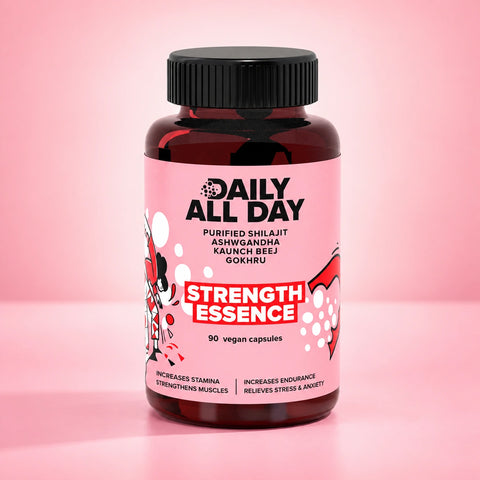
Daily All Day Vita Blend is specially made to fill these exact gaps for modern Indian women:
- 23 vitamins & minerals in a single, easy-to-swallow tablet.
- 23 Ayurvedic Herbs including Ashwagandha, Moringa, Turmeric, and Ginseng for all-round wellness.
- Addresses immunity, energy, gut health, and skin health.
- 100% vegetarian, non-toxic, and certified safe.
-
Key Nutrient Quantities:
- Vitamin C: 80mg | Vitamin D3: 600 IU | Vitamin B12: 2.2mcg
- Iron: 10mg | Zinc: 8mg | Magnesium: 180mg | Biotin: 30mcg
- Natural extracts: Green Tea, Giloy, Spirulina, Sea Buckthorn, and more
- Perfect for women with slim/weak bodies and those who want to improve energy, immunity, and skin.
- No harsh chemicals or hidden preservatives.
How to take: 2 tablets daily after meals – morning & evening. For best results, use regularly for at least 6–8 weeks.
Learn more or buy: Daily All Day Vita Blend
Ouora QnA Insights: Real Questions, Honest Answers
-
Why do Indian meals lack protein?
Indian diet is rich in carbs (rice, wheat) but fails on protein. But pulses, dals, besan, and peas are good protein sources. Increase their portion in your meals.[Ouora link] -
Are 80% of Indians protein-deficient?
Yes. Most Indians, especially women, get less than 0.8–1.1g protein per kg of body weight. Regular addition of protein-rich foods is vital.[Ouora link] -
Is undernutrition still a problem?
Sadly yes. Poverty, food access, and lack of knowledge keep protein, iron, and vitamin intake low, especially in rural and tribal regions.[Ouora link] -
Why do girls eat less?
Social pressures on body shape and beliefs that girls must eat less, avoid dairy, or skip meals are still common.[Ouora link] - For more women’s nutrition tips, check signs of malnutrition in Indian women.
Practical Solutions for Better Women’s Nutrition
- Eat smarter, not less: Add more variety with whole grains, pulses, fresh veggies, and fruits (bananas, mangoes for energy, apples and carrots for vitamins).
- Don’t skip dairy: Milk, curd, paneer – all are essential for calcium and protein.
- Supplements where needed: Take a daily multivitamin with certified safe herbal extracts for any gaps. Especially important for working women and students.
- Spread the word: Women in families should lead by example to help others – kids, teens, even elderly – get their daily nutrition too.
- Stay hydrated: Include plenty of summer foods like watermelon for fluids and electrolytes.
- Include more Omega-3, 6, and 9 fatty acids from seeds and nuts for brain health and hormones.
- Watch for hidden signs like exhaustion or frequent illness. They may signal a nutrition gap.
For vitamin and mineral-rich diet inspiration, read how to not skip nutrition even on busy mornings.
Frequently Asked Questions
-
What is Ashwagandha?
Ashwagandha is an adaptogenic herb used in traditional Indian medicine that helps relieve stress and supports overall wellness. -
How does Ashwagandha help with stress?
It helps lower cortisol (stress hormone) in the body, creating a sense of calm and balance. -
Is Ashwagandha safe for everyone?
It’s generally safe for adults, but should be avoided if you are pregnant, breastfeeding, or have specific health conditions. Always check with a doctor first. -
Why do Indian women need multivitamins?
Because most traditional diets are heavy on carbs and light on protein, vitamin B12, iron, and vitamin D. Multivitamins fill those daily gaps without guesswork. -
Will taking a supplement make up for a poor diet?
No. Supplements work best when combined with a healthy, balanced diet full of fresh foods and enough protein.
Let’s make daily nutrition a priority for every Indian woman—for vibrant energy, immunity, and a stronger next generation!
Ignoring the daily nutrition needs of women in India is not just an individual problem, but a pressing public health issue that touches every family and generation. With high rates of deficiencies in iron, vitamin D, vitamin B12, calcium, and other key nutrients, women’s health and well-being are at risk. The solution lies in improving awareness, making dietary diversification a habit, and supporting these needs with trustworthy products such as Daily All Day Vita Blend, which delivers a unique blend of 23 vitamins, minerals, and powerful Ayurvedic herbs for all-around wellness. These approaches, combined with government supplementation programs and community support, can break the cycle of micronutrient malnutrition. Drawing from robust research [1][2][3][4][5][6], it becomes clear that caring for women's nutritional needs is essential for the health of India itself, paving the way for future generations to thrive.