Why Multivitamins Are Becoming a Daily Need in India
Share
Table of Contents
- Why Are Multivitamins Essential Today?
- The Nutrition Challenge in India
- Ingredients Deep Dive: Power of Daily All Day Vita Blend
- Key Benefits for Indian Lifestyles
- Top Quora Q&A on Multivitamins in India
- Who Needs Multivitamins Most?
- How and When to Take Multivitamins
- Frequently Asked Questions
Why Are Multivitamins Essential Today?
Imagine a mother in Mumbai, worried about her child's health because their diet is mostly rice, bread, and dal. She knows about multivitamin food and wonders if giving tablets like atoz gold or zincovit could help. The truth is, today, both adults and children in India are missing key vitamins and minerals because of hurried lifestyles and limited diets. Scientific studies show that lacking certain nutrients, like vitamin D, increases health risks, for example, higher risk for eye complications in diabetes[1] and even more serious problems linked to genetics[2]. That’s why a daily multivitamin has become a need, not just a choice.
The Nutrition Challenge in India
Indian meals are colorful and flavorful. But looking closely, many dishes lack key nutrients. Reasons include:
- Declining food variety: Less fruit, less green leafy vegetables, more highly-processed and fried snacks.
- Busy lives: People rush breakfast, skip meals, or eat too much outside food, often missing natural vitamins.
- Vegetarian diets: Most Indians eat little meat, making it hard to get enough vitamin B12 (read about B12 deficiency) and iron.
- Changing seasons: Sometimes local crops don’t give enough nutrients all year.(learn about seasonal diet gaps)
- Poor absorption: Health conditions and gut problems can make it hard to absorb vitamins from food.[4]
With growing rates of diabetes, obesity, and even COVID-19, research shows how lacking nutrients like vitamin D is linked to more severe problems[3].
Ingredients Deep Dive: Power of Daily All Day Vita Blend
The Daily All Day Vita Blend brings science and tradition together. Here’s why each ingredient matters:
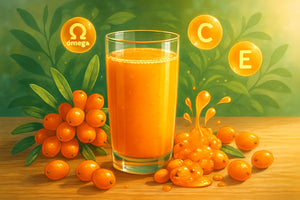
- 23 Vitamins & Minerals: Includes A, B-complex (B1, B2, niacin, pantothenic acid, B6, B9-folic acid, B12), C, D3, E, biotin, K2, magnesium, zinc, calcium, iron, copper & more. These help boost energy, immunity, and metabolism.
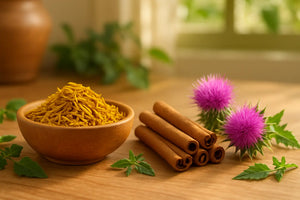
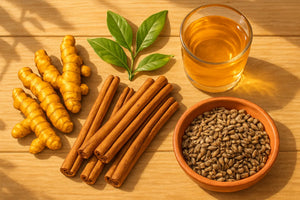
- Over 23 Ayurvedic Herbs: Like ashwagandha for stress, moringa for vitamins and minerals, curcumin (turmeric) for anti-inflammatory effects, panax ginseng for strength, and giloy, tulsi, arjuna, brahmi for overall wellness.
- Antioxidants: Grape seed, green tea, spirulina, sunflower phospholipids help stop cell damage—good for healthy skin, heart, and immunity.
- Unique Additions: Garlic, cinnamon, fenugreek, milk thistle help digestion and support sugar balance.
- Omega 3,6,9: Vital for brain, eyes, and heart.
Form: 120 tablets / bottle (2/day as per recommended dose).
Why These Ingredients?
- Many vitamins (like B12, D) are hard to get from vegetarian food.(read more about nutrients missed in diet)
- Herbs boost results by fighting stress and building stamina, as per Ayurveda.
- All components are vegetarian, non-toxic, safe, and certified by FSSAI, ISO, GMP (quality assured).
Key Benefits for Indian Lifestyles
- Improves Immunity: Defends against common infections and illness. Vitamin C, zinc, and ayurvedic herbs are immunity heroes.
- Boosts Energy: Fights body weakness and daily tiredness.(see how to stop fatigue)
- Better Gut Health: Probiotic herbs and vitamins help the stomach and bowels, especially if spicy food upsets your gut.(read about gut health)
- Healthier Skin and Hair: Antioxidants, biotin and vitamins E, C reduce acne, and support stronger, shinier hair. These are often called hair vitamins for hair growth.
- Strengthens Mind and Body: B vitamins, omega fatty acids, and herbs support focus, energy, and muscles—good for growing teens, women, and elders.
- Fills Gaps in Kids and Teens: Many children and teens lack key nutrients due to picky eating habits or limited diets (learn more about multivitamins for teens and children below).
These are real, reported benefits from people choosing supplements such as zincovit multivitamin, atoz multivitamin tablet, or revital h men—but Daily All Day Vita Blend goes further by adding Ayurveda to the modern formula.
Top Quora Q&A on Multivitamins in India
-
Is a multivitamin really necessary?
For most Indian diets, especially vegetarian, a daily tablet may be needed as many people do not get enough essential vitamins. -
Do I need to take a daily multivitamin? How will it be helpful?
It supports immunity, focus, energy levels, and can help fill dietary gaps quickly. -
Do most people need multivitamins?
While food is best, research and experts agree that supplements help in modern diets full of missing nutrients. -
Is it smart to take a daily multivitamin?
Even with a regular diet, few people eat perfectly every day, so a multivitamin may help. But remember, nothing replaces healthy food habits. -
Why don’t Indians consume vitamin supplements much?
Many still believe meals are enough or fear making a habit of pills, but new science says otherwise.
Who Needs Multivitamins Most?
- Vegetarians and Vegans: Often miss out on vitamin B12, iron, and omega 3. Supplements close these gaps quicker.
- Children & Teens: Growing bodies need extra nutrition for mind and body development (multivitamins for teens are now widely used).
- Women: Pregnancy, periods, and menopause increase nutritional needs. Look for best multivitamin for women with iron, calcium, and B-complex.
- Elders: With age, absorption of vitamins falls, so daily vitamin tablets can keep bones, heart, and immunity strong.
- Stressed or Weak People: If your job, studies, or illness make you tired/fatigued, a supplement might help restore energy.
How and When to Take Multivitamins
- Best Time: Take after a meal, morning and evening, for optimum absorption (best time to take multivitamins before or after meal is after).
- How Much: For Daily All Day Vita Blend: 2 tablets once daily, or as directed by a doctor.
- How Long: For best results, use for at least 6-8 weeks consistently. Results vary per person.
- Who Should Not Take: Pregnant or breastfeeding women, or people with allergies to any ingredient, should avoid.
- Children: Always check the right dose for multivitamins for children.
Frequently Asked Questions
-
What is Ashwagandha?
Ashwagandha is an ancient adaptogenic herb used in Ayurveda to deal with stress and boost health. -
How does Ashwagandha help with stress?
It helps lower stress hormone (cortisol) and relaxes the mind. -
Is Ashwagandha safe for everyone?
Usually yes, but women who are pregnant or people with some health conditions should check with their doctor first. -
Will taking a multivitamin make me dependent?
No, if consumed as part of a healthy diet. Supplements fill gaps but don’t replace meals. -
Can I give Daily All Day Vita Blend to my child or teenager?
It’s designed for adults, but multivitamins for children or teens should match age-appropriate needs. Ask a doctor for proper doses.
Across India, the need for daily multivitamins is rapidly growing due to persistent nutrient gaps and changing lifestyles. Research clearly highlights how deficiencies in vitamins such as D, B12, and K can affect vital systems, from eyes to immune health and more. Indian diets, especially for vegetarians, often miss key nutrients, making high-quality food supplement vitamins like those in Daily All Day Vita Blend essential. This formula includes a powerful range of vitamins, minerals, and over 40 ayurvedic herbs, supporting immunity, energy, and overall wellness in a vegetarian, safe way. Consistent supplementation—when used alongside a balanced diet—can fill nutritional gaps, support healthier living, and help manage specific health challenges, including weakness, fatigue, and acne. With support from recent scientific research on health outcomes related to deficiencies and the growing popularity of topics like vitamins for hair growth, natural vitamins, and the best multivitamin for women, choosing a certified and well-formulated supplement is now a smart step for many Indian families. Remember, nutritional needs may change by age and life stage—always consult advised dosages for children or teens, and avoid self-medicating in special health conditions.
Pubmed Citations: [1] [2] [3] [4] [5] [6]