Daily Energy Drops in Indian Adults: Nutritional Causes
Share
Daily Energy Drops in Indian Adults: Nutritional Causes
Why Do Indian Adults Feel Tired Every Day?
Ever felt sleepy or weak by afternoon even after eating a hearty lunch? You are not alone! Daily energy drops or sudden fatigue are now common among many Indian adults, from students to office-goers and homemakers.
The main reason is often hidden in what we eat — especially our dependence on high carb foods like polished rice, rotis, and sugary snacks. These foods can make your blood sugar spike quickly and then crash, leaving you tired and irritated.
Besides, most Indian adults also do not get enough high-quality protein, essential vitamins, and minerals like vitamin B12, vitamin D, and iron. This makes our bodies less efficient at converting food into energy and leads to regular feelings of tiredness ([1]).
Root Causes: The Indian Diet Pattern
Let’s look at what our usual meals really provide:
- Carbohydrates — White rice, wheat, and starchy foods are the base of most meals. They are easy to cook and fill you up, but most are simple carbs with a high glycemic index (raise blood sugar fast).
- Proteins — Nearly half of all the protein in Indian diets comes from cereals (rice, wheat), which lack vital amino acids needed for muscle repair and sustained energy.
- Fats — Sources often include fried oils and ghee. But not all are healthy fats. Lack of Omega 3 fats and excess saturated fat leads to chronic tiredness.
- Micronutrients — Many thalis don’t have enough B12, D, or iron, especially if you are vegetarian ([2], [3]).
According to Quora answers:
- Too much carbohydrate-heavy food (rice, chapati), not enough protein or veggies.
- Poverty and awareness issues stop many from getting balanced, nutrient-rich meals (Read more).
- Micronutrient deficiency (B12, D, iron, folic acid, iodine) is huge, and this is seen in both urban and rural homes (More here).
- Most snacking is from high glycemic, carb-rich foods that add calories but not nutrients (Learn more).
Carbohydrates: Good vs. Bad for Daily Energy
To really understand why energy drops, let’s look at carbohydrates—the most discussed and misunderstood nutrient in Indian diets.
-
Carbohydrates are the body’s main fuel—but not all are equal. There are:
Simple carbohydrates (sugar, jaggery, white bread) – cause quick energy spikes, then a crash.
Complex carbohydrates (whole grains, vegetables, beans) – give slow, steady energy. - High carb foods like white bread, polished rice, and sweets have a high glycemic index, meaning they raise blood sugar quickly. This makes your energy go up and fall rapidly.
- Instead, complex carbohydrates such as brown rice, whole wheat, oats, and lentils are better. They also have fiber that slows digestion and keeps you fuller and energized longer.
- Examples of carbs in daily diets: Rice (especially in South India—see rice-based diet blog), wheat, potato (‘high carbohydrate foods’), and sugar in chai snacks.
Other useful facts:
- Carbohydrate means a group of nutrients made up of starch, sugars, and fiber; main source of body energy.
- Examples: monosaccharide (glucose), disaccharide (sucrose/table sugar), polysaccharide (starch/cellulose).
- Respiratory quotient of carbohydrates: 1.0 (means carbs are fully used for energy and produce only CO2 and water; important for athletes).
- Role in plants: Store energy and build plant cell walls (write two main functions of carbohydrates in plants).
Foods with High & Low Carbs – What to Choose?
| High Carb Foods | Better Carb Choices | Low/No Carb Foods |
|---|---|---|
| White rice, white bread, potato, noodles | Brown rice, millet, sweet potato, beans, oats | Eggs, paneer, chicken, leafy greens |
- Choosing more complex carbs makes a big difference in steady energy ([4]).
- Non carb foods (like paneer, soya, green veggies) add protein without blood sugar swing.
Understanding Protein Shortage in Indian Meals
Did you know that nearly 73% of Indians miss their daily protein needs (Quora QnA)? Reasons include:
- Heavy dependence on cereals (rice, wheat), which are not complete proteins.
- Poor knowledge about protein sources—egg, dairy, pulses, soya, nuts.
- Vegetarian diets with little animal protein; Indian food may be protein-poor if not planned right (Read about protein gaps).
If your body doesn’t get enough proteins:
- Muscles stay weak and you feel tired or take long to recover after any activity.
- Lower levels of ‘good hormones’ that drive metabolism and stamina.
- Higher craving for carbs, leading to a cycle of quick energy and rapid crashes.
Micronutrients: The Hidden Energy Makers
Even if you eat enough calories, you may still be low on energy if you lack these:
- Iron: Needed to make healthy blood. Deficiency leads to anemia and poor oxygen supply, making you breathless and tired. This is the most widespread deficiency, especially among women ([6]).
- Vitamin B12: Essential for nerves and red blood cell production. Deficiency causes fatigue, numbness, and poor memory. Mostly found in animal foods; vegetarians at high risk (B12 deficiency blog).
- Vitamin D: For bone, muscle, and immunity. Deficiency leads to muscle aches and tiredness, and is noted in both sunny and indoor city lives ([2], [3]).
Micronutrient deficiencies are made worse by:
- Overcooking food and excessive washing (washes off minerals).
- Not eating enough fruits, veggies, nuts, and dairy.
- Lack of dietary diversity—sticking to the same kind of thali every day (see more).
Ingredients Deep Dive: Plant-Based Help for Energy
While balanced food is best, some plant-based daily supplements can support your energy, metabolism and blood sugar naturally—especially with today’s fast lifestyles.
1. Daily All Day Gluco Wise (90 Capsules)
- Key Ingredients:
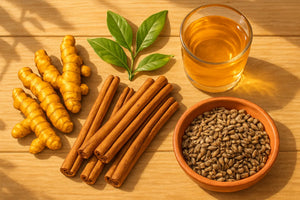
- Berberis Aristata (Daruhaldi): Supports blood sugar regulation, enhances liver health.
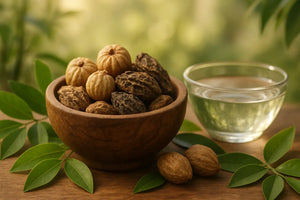
- Ceylon Cinnamon (Dalchini): Natural carb metaboliser, stabilizes insulin & boosts metabolism.
- Milk Thistle: Protects and detoxifies the liver, high in antioxidants.
-
Benefits:
- Helps balance high cholesterol and supports the heart.
- Manage diabetes with better fasting sugar control.
- Reduces inflammation and supports overall energy pathways.
- 100% vegetarian, natural, and free from animal derivatives.
- How to take? 2 capsules daily with meals for 6-8 weeks for sustained results.
Learn more about carb metaboliser ingredients in our ingredient science blog.
2. Daily All Day Slim Support (90 Capsules)
- Key Ingredients:
- Apple Cider Vinegar, Garcinia Cambogia, Green Coffee, Green Tea, Methi, Gurmar, Ginger, Triphala
- Benefits:
- Reduces excess weight by helping burn fat naturally.
- Controls appetite—especially sugar cravings common in high carb diets.
- Boosts metabolism for better energy and less sluggishness.
- Natural, vegan-friendly, and safe for daily use.
For more about the science of fat burning and metabolism, read our fat & metabolism research blog.
Frequently Asked Questions
-
What causes daily energy drops in Indian adults?
Low-quality carbohydrate intake (like white rice and maida), too little protein, and micronutrient deficiencies, especially for vitamin D, B12, and iron, cause energy to dip often during the day. -
How are carbohydrates linked to energy levels?
Simple carbohydrate foods (white bread, sugar, processed snacks) cause rapid spikes and crashes in blood sugar. Complex carbohydrates (brown rice, beans, oats) give steady energy for longer. -
Can Indian vegetarians get enough protein for good energy?
Yes—if you eat a variety of pulses, milk, paneer, soya, nuts, and seeds. But only cereals alone aren't enough. -
How do I know if I have a vitamin D or B12 deficiency?
Early signs include tiredness, aches, low immunity, pale skin (for iron). Testing is best in a clinic. Severe deficiency needs doctor-guided supplements ([2]). -
What supplements help reduce daily tiredness?
Supplements that blend herbs for blood sugar, metabolic health (like Daily All Day Gluco Wise and Slim Support), and vitamin-mineral support can help. But they should be paired with balanced food and better lifestyle habits overall.
Conclusion
Daily energy drops among Indian adults are mainly linked to excessive consumption of low-quality, high carb foods like polished rice and processed wheat, coupled with protein deficiency and common micronutrient shortfalls.
- Fatigue and tiredness are worsened by a lack of foods rich in complex carbohydrates, healthy fats, and diverse protein sources.
- Micronutrient imbalances—especially for vitamin D, B12, and iron—increase your risk of weakness and long-term health issues such as anemia and impaired muscle function.
- Boosting your intake of high-quality proteins, complex carbs, and micro-nutrient-rich foods, while considering plant-based support like Daily All Day Gluco Wise and Slim Support, can help regulate glycemic swings and improve overall vitality.
Internal link recommendations for further reading:
- Chronic Fatigue in Indian Population
- Hidden Nutrient Deficiencies in Indian Diets
- Breakfast Nutrition & Missed Vitamins in India
Improving your everyday nutrition is the best way to experience more stable energy and long-term health, as underlined in multiple studies including the associations of vitamin D and iron status with chronic fatigue and diabetes [1], [2], [3], [4], [5], [6].