High-Protein Tribal Diets: What’s Missing Today?
Share
Table of Contents
- Introduction & The High-Protein Tribal Diet Story
- Ingredients Deep Dive
- Quora QnA: Tribal Protein Foods Answered
- What’s Missing from High-Protein Diets Today?
- Balancing Tribal Diets for Modern Health
- Products That Bridge the Gap
- Frequently Asked Questions
Introduction & The High-Protein Tribal Diet Story
For centuries, tribal communities have survived and thrived on high-protein diets filled with local, whole foods. Imagine hunters chasing wild game or a family cracking open pine nuts by a fire—these foods fueled strength, energy, and lifelong health. But with today’s modern diets, are we missing something key from these nourishing traditions?
Today, a high-protein diet is often linked to muscle building and weight loss. But there's more to learn: Tribal diets were never just about eating more protein snacks—they were packed with fruit high in protein, wild roots, nuts, seeds, and natural fats that made their nutrition complete.
Ingredients Deep Dive
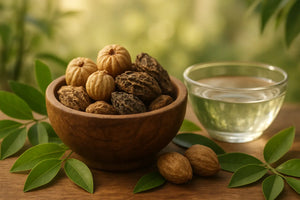
- Pinon Nuts: Featured in Quora as the best Native American survival food, pinon nuts offer 4g protein and 19g healthy fats per ounce. These nuts are nature's lean protein food and full of energy-rich calories, ideal for active lifestyles. (Quora)
- Wild Game & Fish: Elk, deer, bison, and salmon were major protein sources. These foods supplied amino acids for muscle strength and immunity ([1]).
- Roots, Tubers, and Berries: While high in carbs, these supplied fiber, vitamins, and plant-based protein sources. Berries like chokecherry and wild roots often contained nutrients for energy, immunity, and digestive wellness.
- Seeds & Pulses: Sunflower, chia, and beans provided vegetarian protein diet support, minerals, and healthy fats. Even today, best vegan protein sources come from these humble foods.
- Vegetables: High protein vegetables like wild spinach, amaranth (rajgira), and wild onions contributed to a naturally balanced protein rich diet.
- Omega Fatty Acids: Seeds and wild-caught fish supplied important Omega-3 and Omega-6 for heart, joint, and brain support.
Today, we can enjoy many of these foods as protein rich vegetarian foods like pulses, seeds, and traditional grains for a high protein vegan foods menu.
Quora QnA: Tribal Protein Foods Answered
- What is the best Native American survival food?—According to Quora, it's pinon nuts, full of protein and calories to keep someone alive in the wild.
- What was the diet of Native Americans like?—Tribes ate a mix of high-protein meats, wild vegetables, and fruits; DNA research even shows Neanderthals had mostly protein-rich diets. (Quora)
- How did Native Americans get protein, especially farming tribes?—Beans, corn, squash, and other plant based protein sources became global staples after these tribes shared their foods with the world.
- How do pastoralists like the Maasai get enough nutrition on mostly animal foods?—Quora explains it's not all about protein—healthy fats and micronutrients in animal products made a real difference.
- Did ancient civilizations get their protein from meat and dairy?—Yes, but they also used sheep, goats, and even horses to provide balanced nutrition. (Quora)
What’s Missing from High-Protein Diets Today?
Today’s high-protein foods for muscle building often rely on chicken breasts, paneer, whey powder, or processed snacks. But just focusing on grams of protein or a top 10 protein foods list can lead to big gaps:
- Low in Fiber & Micronutrients: Many protein rich foods for weight loss lack the colorful veggies and wild roots that gave tribal diets their vitamin and mineral punch ([2], [3]).
- Poor Gut Health: Modern research shows diets that lack prebiotic-rich foods leave the gut unbalanced, affecting immunity and energy ([4]).
- Missing Essential Fats: Traditional diets delivered Omega-3, 6, and 9 from wild sources. Modern protein snacks are often deficient in healthy fats key for joint, eye, and heart health.
- Risk of Excess: Too much animal protein without plant balance can strain kidneys, cause inflammation, and create nutrient imbalances ([5]). Eating only animal-based protein rich diet can be unhealthy in the long run.
- Low Variety: Plant diversity (beans, pulses, wild grains) is missing from many modern protein rich vegan foods menus—this reduces resilience and adaptability.
Learn more about the importance of balancing macronutrients and micronutrients—a lesson tribal diets teach us well.
Balancing Tribal Diets for Modern Health
To make a high protein diet healthy in today’s world, we must learn from both tradition and research:
- Eat the Rainbow Daily: Add fruit rich in protein (like guava, jackfruit, and berries) and high protein vegetables (soybean, green peas, chickpeas) for a colorful meal.
- Combine Protein Sources: Aim for variety: pulses, tofu, seeds, nuts, sprouts, and lean dairy or quality plant-based protein foods.
- Don’t Skip the Fats: Healthy fats support hormone function, brain power, and joint flexibility. Omega fatty acids, such as in the Daily All Day Total Wellness Omega 3 6 9, can help fill the gap.
- Power Up With Micronutrients: Fill the gaps with a supplement like Daily Nutrition (Vitamins + Minerals).
- Stay Plant-Centered: Most good sources of protein for vegetarians and vegans come from pulses, beans, and seeds—make these the base of your high protein foods vegetarian or vegan diets.
- Choose Natural Over Processed: Whole foods always beat powdered or heavily refined protein snacks.
Curious about traditional and modern nutrition? Read our guide to ancient balanced eating.
Products That Bridge the Gap
Daily All Day Total Wellness Omega 3 6 9 (60 Capsules)
A key supplement that aligns with tribal wisdom. 100% vegetarian, cruelty-free, and uses flax seed ALA, linolenic acid, and oleic acid:
- Supports brain and heart health
- Lowers inflammation in joints for pain relief
- Improves eye health
- Strengthens muscles and boosts immunity
- Lab-certified, vegan, and ideal for plant based protein diets
- Best when paired with a protein rich diet for overall wellness
Explore for joint and muscle flexibility, heart and brain support, and more.
For entire wellness, use:
- Daily Nutrition (Vitamins + Minerals) – Fill vitamin, mineral, and micronutrient gaps
- Energy & Immunity – For daily stamina and resilience
- Enhance Strength – Optimise athletic or daily activity
Frequently Asked Questions
-
What is a high-protein tribal diet?
Tribal diets are traditional meal patterns where the main energy source is from protein-rich animal or plant foods, complemented by wild fruits, seeds, and seasonal greens—creating a balanced, naturally nutritious eating style. -
Can high-protein diets cause health problems?
Eating too much protein, especially from processed or single sources, without enough fiber, vitamins, or healthy fats, can raise risks for kidney strain, poor gut health, and even heart issues. It’s important to diversify your protein food sources and include plant-based protein sources. -
Are there fruits and vegetables with high protein?
Yes! Fruits like guava and vegetables like peas, spinach, lentils, and soybeans are excellent high protein vegan foods options. -
How is protein connected to immunity and energy?
Protein gives your body the materials to build and repair cells, muscles, and immune system defenders. Without enough, your strength, energy, and health can drop fast ([1]). -
Should I take supplements to balance my diet?
Supplements are useful if your food lacks variety or if you have specific needs (like vegan or vegetarian diets). Products such as Daily All Day Omega 3 6 9 can fill essential fatty acid gaps found in traditional diets. -
Where can I read more?
Explore with us: Fermented Foods and Gut Health | Seasonal Eating and Nutrient Gaps | Traditional Diets & Modern Nutrition
High-protein tribal diets still have lessons for today. Combine the best of indigenous food wisdom and trusted supplements for a genuinely healthy, strong, and balanced future!
High-protein tribal diets have given strength, endurance, and survival power to countless communities for centuries. Today, however, our focus on quick, protein-rich foods often leaves key nutrients behind, leading to micronutrient gaps, digestive trouble, and long-term health concerns. Integrating a wider range of foods—colorful vegetables, fruit high in protein, nuts, and seeds—restores this ancient balance and keeps you healthy throughout life. Supplements like Daily All Day Total Wellness Omega 3 6 9 offer additional support for muscle, joint, heart, and brain health, mimicking the holistic power found in traditional diets. Most importantly, modern science now confirms what tribal wisdom has always known: true wellness comes from varied sources of protein, fiber, and micronutrients working together for energy, immunity, and strength. By learning from both the past and present, and choosing mindful habits and helpful supplements, you can build a high-protein diet that nourishes every part of you—for life.
Key PubMed Citations: [1] [2] [3] [4] [5]