Traditional Diets vs Modern Nutrition Needs in East India
Share
Table of Contents
- A Journey Through East Indian Plates – Traditional vs. Modern
- What Makes East Indian Traditional Diets Special?
- The Shift: Why Do Modern Nutrition Needs Matter?
- Ingredients Deep Dive: What’s Inside Our Foods?
- Quora Q&A: Honest Opinions About Indian Diets
- Daily All Day Solutions for Healthier Living
- Finding Your Balance: Tradition Meets Modern Science
- Frequently Asked Questions
A Journey Through East Indian Plates – Traditional vs. Modern
Every family in East India has its food traditions. Think of steaming bowls of rice, fragrant dals, and fresh vegetables served with tangy pickles and a variety of chutneys. Traditional diets, often vegetarian and loaded with pulses and greens, once matched the physical lifestyle of farming, walking, and manual work. But as cities grew and screens replaced fields, people swapped home meals for packaged snacks, ready-to-eat noodles, and sweets high in sugar. Health experts now worry about how these lifestyle shifts might cause new nutrition gaps.
What Makes East Indian Traditional Diets Special?
- Heavily based on rice, dals, leafy greens, root vegetables (like yam and sweet potato), and lentils.
- Regular use of pulses such as peas and chickpeas, proven to be rich in protein, fiber, and antioxidants (1).
- Minimal animal protein in pure vegetarian households, but plenty of fish in coastal and river regions.
- Simple seasonings with mustard oil, turmeric, ginger, and cumin.
- Emphasis on fresh, seasonal, and local produce – some ingredients harvested right in the backyard!
Traditionally, meals are low in unhealthy fats and have a natural balance of carbohydrates (energy-giving foods), proteins, and healthy fats from oils and seeds. There’s much focus on home-fermented pickles or drinks, which may help gut health (read about fermented foods here).
The Shift: Why Do Modern Nutrition Needs Matter?
With classrooms, offices, and cities growing, the energy spent daily has gone down. High-carb foods, once perfect for farmers, can be too much for desk jobs. Meanwhile, the quest for convenience led to more fried snacks, sweet drinks, and less fresh food. This brings a risk of:
- Micronutrient deficiencies (iron, zinc, vitamin D, vitamin B12)
- Obesity, diabetes, high blood pressure
- Poor digestion and low fiber intake
To meet modern needs, diets must now focus more on balanced protein, reduced unhealthy fats, higher fiber, and diverse vitamins—from both old recipes and new science.
Modern diets such as the vegan diet, paleo diet, ketogenic, and egg diet are gaining popularity. Each has pros and cons. Traditional Indian vegetarian meals—rich in plant proteins, often low in fats—can be considered alongside these modern approaches, but require adjustments, especially for protein and micronutrients.
Ingredients Deep Dive: What’s Inside Our Foods?
- Rice & Pulses: The main source of carbohydrates and proteins. Chickpeas and peas, tested recently, supply important fiber and antioxidants (1).
- Leafy Greens & Vegetables: Source of iron, folate, and vitamin C—combatting anemia & supporting overall health (learn about iron here).
- Mustard Oil, Coconut Oil, Seeds & Nuts: Traditional fats that are a good source of healthy fats and omega-3s.
- Mushrooms: Now added in innovative recipes, they increase protein, fiber, antioxidant levels, and mineral absorption in dishes like carrot-tomato smoothies (3).
- Fermented Products (Curd, Chutney, Pickles): Improve gut health and provide probiotics.
- Biofortified Grains: Modern approaches increase levels of important micronutrients, like zinc and vitamin A, through biofortified rice or wheat—helpful for fighting widespread malnutrition (2).
- Herbs and Spices: Turmeric and ginger provide antioxidants and anti-inflammatory effects (5).
- Smart Packaging Innovations: New chitosan-based films with black rice anthocyanins and amla polysaccharides help preserve food, reducing spoilage and food waste, and retain nutrients longer (4).
How These Ingredients Support Modern Nutrition
- Pulse-based meals support protein needs for vegetarians.
- High-antioxidant foods (mushrooms, turmeric, black rice) protect cells from free-radical damage (5).
- Biofortified staples fill gaps in vitamins and minerals often missing in high-carb meals (2).
- Probiotic-rich fermented products boost digestion and immunity.
Quora Q&A: Honest Opinions About Indian Diets
-
Do you think Indian eating habits are healthy?
- Yes, traditional Indian diets are generally healthy—low in fat, rich in protein, and high in fiber, supporting a balanced lifestyle.
-
Which diets are better: Indian or Western?
- Both have pros and cons; effectiveness depends on balance and your personal nutritional needs.
-
How does Indian traditional food keep us healthy?
- Carbohydrates, proteins, fats, and fibers combine for a more balanced diet, upholding gut and heart health, and boosting immunity.
-
Why less protein in Indian diets?
- Protein-rich foods can be expensive and less widely consumed. Carbohydrates, being cheaper, dominate traditional meals.
-
Is Indian food really nutritious?
- Indian food can be nutritious when it relies on fresh produce, nuts, and grains, and reduces processed foods. Diet diversity matters most.
Daily All Day Solutions for Healthier Living
Supplements can fill gaps where traditional or even modern diets fall short, especially for people who need a little extra support for weight management, blood sugar, or cholesterol:
-
Daily All Day Slim Support (90 Capsules)
- Contains Apple Cider Vinegar, Garcinia Cambogia, Methi (Fenugreek), Green Coffee Beans, Green Tea, Gurmar, Ginger, and Triphala.
- Helps with fat burn, appetite control, better metabolism, digestive health. Offers a holistic blend of Ayurvedic and scientific ingredients.
- Recommended: 2 capsules daily, an hour before meals, with results showing in 6–8 weeks.
-
Daily All Day Gluco Wise (90 Capsules)
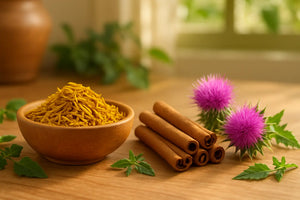
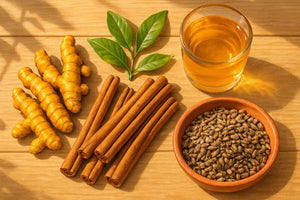
- Key ingredients: Berberis Aristata, Ceylon Cinnamon, Milk Thistle.
- Supports healthy blood sugar, manages cholesterol & fatty liver, boosts antioxidants and reduces inflammation.
- Take 2 capsules daily after meals for 6–8 weeks for best effect.
Both products are plant-based, certified safe, and ideal for anyone seeking a bridge between traditional foods and modern nutrition science.
Finding Your Balance: Tradition Meets Modern Science
- Choose a wide variety of local vegetables, pulses, leafy greens, and traditional fats for the base of your daily meals.
- Add biofortified and antioxidant-rich ingredients to boost health and fight malnutrition (2).
- Limit white flour, sweets, fried snacks, and processed foods.
- Rotate high-protein lentils, mushrooms, and consider fermented products for better gut health (explore gut health here).
- If you feel low energy, frequent tiredness, or slow recovery, check for iron or vitamin B12 needs (learn more about vitamin B12).
- Supplements can be a smart choice for specific concerns: Slim Support for weight, Gluco Wise for blood sugar and cholesterol.
Frequently Asked Questions
-
What is Ashwagandha?
Ashwagandha is an adaptogenic herb, used in Ayurveda to reduce stress and increase overall energy and health. It is not typically part of standard East Indian diets but may be found in health supplements. -
How does Ashwagandha help with stress?
Ashwagandha helps lower cortisol levels (the stress hormone) and calms the body, bringing balance and relaxation. -
Is Ashwagandha safe for everyone?
Most people can take Ashwagandha safely, but it should be avoided by pregnant women and anyone with specific health conditions. Always check with your doctor. -
How can I add more protein to a traditional East Indian vegetarian diet?
Increase intake of dals (lentils), chickpeas, peas, mushrooms, and add paneer (if not vegan). You can also consider protein-rich supplements. -
Do I need supplements if I eat local, traditional foods?
Eating a rich variety of traditional foods covers most needs. However, for people with modern lifestyles, higher stress, or specific health goals (like weight loss or cholesterol control), supplements such as Slim Support or Gluco Wise may help fill nutritional gaps.
Traditional diets in East India are rich in diversity and plant-based foods, providing a strong foundation for a healthy lifestyle. Yet, with rapid changes in lifestyle, increasing urbanization, and a rise in processed foods, modern nutrition needs have evolved. This includes the growing prevalence of deficiencies in micronutrients and the need for optimal fat, protein, and fiber intake. Biofortification, careful ingredient choices, and smart supplementation (like Daily All Day Slim Support and Gluco Wise) help bridge these gaps and maintain the balance between tradition and modern needs. Ingredients such as pulses and mushrooms now have proven nutritional benefits and support antioxidant activity, while innovative chitosan-based packaging and biofortification support both food quality and nutrition for the future (1, 2, 3, 4, 5, 6). Choosing nutrient-rich options and blending the best of local tradition with scientific knowledge empowers families and individuals to support their health in a changing world.