Gut Health & Spicy Food Habits in South India
Share
Table of Contents
- South Indian Food Habits
- Ingredients Deep Dive: Why Is South Indian Food So Spicy?
- Gut Health Impacts of Spicy Food
- How To Manage Gut Health With Spicy Habits
- South Indian States: Which One Is Least Spicy?
- Products For Gut, Digestion & Overall Health
- Quora QnA: South Indian Food & Gut Health Insights
- Frequently Asked Questions
South Indian Food Habits
Imagine sitting down for lunch in a South Indian home. On your plate, you'll often find a generous serving of hot white rice, a bowl of lentil curry (like sambhar or rasam), a tasty seasonal vegetable stir-fry, papad, and always, tangy yogurt or curd. Yogurt isn't just a topping—it's crucial for the meal and helps preserve gut health by cooling your stomach and acting as a natural probiotic companion. These foods make up the backbone of the best diet for gut health in the region.
Discover more about rice-based diets and energy balance in South India.
- Rice is the main grain—easy to digest and gentle on the stomach.
- Lentils supply protein and gut-friendly fiber (important for digestion health).
- Chutneys and pickles are made with fresh herbs, garlic, and lots of chilies!
- Yogurt ends the lunch, soothes the stomach, and helps cool the tongue after spicy dishes.
- Fermented foods like dosa and idli use probiotics (live bacteria) to improve gut health.
Ingredients Deep Dive: Why Is South Indian Food So Spicy?
The main reason South Indian food is known for its fire is the heavy use of chilies, black pepper, coriander, and cumin. These flavor powerhouses do a lot more than just make your taste buds dance! Let's break down their roles:
- Chilies: Rich in capsaicin, the heat compound that gives chillies their spicy kick and supports metabolism, boosts endorphins, and improves digestion. Studies show capsaicin may help protect against liver disease, especially when eaten in moderation [1].
- Black Pepper: Contains piperine, increases absorption of nutrients, and adds gentle warmth.
- Coriander & Cumin: Provide earthy flavor, aid digestion, and act as natural carminatives (prevent bloating).
Did you know? Chili pastes are sometimes fermented, changing their taste and making their health benefits stronger. Fermented chili dishes can have more lactic acid and stable bioactive compounds, supporting a healthy gut microbiome [2].
Understanding Capsaicin: The Star Compound
- Capsaicin is measured in South Indian dishes at very low levels (mg per kg), but that is enough to spark taste buds!
- Capsaicin can be extracted naturally and, in the right doses, is not toxic [3] [4].
- Traditionally, South Indian homes use sun-dried or fresh ground chilies, which are rich in antioxidants.
- Capsaicin and black pepper also activate the gut-brain axis, which is how your stomach and nerves "talk" to the brain.
Gut Health Impacts of Spicy Food
Many worry: Will spicy food hurt my stomach? It depends on your individual gut health. Science finds:
- Capsaicin may lower the risk of non-alcoholic fatty liver disease (NAFLD) and help metabolic wellness—but eating too much or eating it in a sensitive gut can worsen ulcers or acid reflux [1].
- Some people may get gut bloating, heartburn, or even loose motions if their system is not used to spicy foods.
- Spicy foods might make IBS worse, but don't "cause" it, especially if part of an overall healthy gut diet [6].
- Curd/yogurt and fermented foods like idli protect the gut lining, helping gut bacteria and reducing inflammation [5].
Want to know if your gut needs help? Learning about probiotics and gut health is a good first step.
Does Spicy Food Affect the Brain Axis?
- The gut-brain axis is a two-way communication between your digestive system and your mind.
- Spicy stimulation can trigger the release of feel-good chemicals (endorphins) and even help curb unwanted fat absorption[7]. But too much, too often, may make your gut overly sensitive!
How To Manage Gut Health With Spicy Habits
Balancing spicy food and gut health is all about moderation and smart dietary choices:
- Add a cooling agent: Always end meals with yogurt or buttermilk.
- Support gut lining: Eat fermented foods rich in probiotics (idli, dosa, homemade dahi).
- Load up on fiber: Add vegetables and lentils to keep digestion smooth.
- Try prebiotics: Garlic, onions, and bananas feed good gut bacteria.
- Stay hydrated: Water flushes out stomach acid and soothes spiciness.
- Opt for natural gut health supplements: Products with omega oils and superfood juices like Sea Buckthorn juice support digestion and gut repair between spicy meals.
If you want deeper research on Indian ingredients that support digestion and the gut lining, check out our blog: Ingredient Benefits - Science Explained
South Indian States: Which One Is Least Spicy?
Curious about regional spice maps? According to many South Indians, the spiciest food is found in Andhra Pradesh, Telangana, Tamil Nadu, and Kerala kitchens. Karnataka dishes are generally milder because a little jaggery is added, making food slightly sweet and less hot (See Quora).
Products For Gut, Digestion & Overall Health
Daily All Day offers two plant-based supplement options, perfect for anyone looking to balance gut health with a South Indian diet:
-
Daily All Day Sea Buckthorn Juice: Rich in omega oils (including rare Omega 7), Vitamin C and E, this juice hydrates skin, supports gut lining (helpful in IBS), and boosts immunity. Highly recommended for those facing gut issues, gut inflammation, or seeking natural glow and hydration.
- View Sea Buckthorn Juice. -
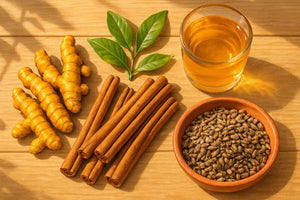
Daily All Day Gluco Wise Capsules: With Berberis Aristata (Daruhaldi), Ceylon Cinnamon, and Milk Thistle, these help manage blood sugar, cholesterol, and fatty liver. Cinnamon can also reduce digestive discomfort after heavy meals.
- View Gluco Wise Capsules.
Learn more about how Indian diets impact blood sugar and nutrients: How Indian High Carb Meals Impact Blood Sugar
Quora QnA: South Indian Food & Gut Health Insights
-
What are the food habits of South Indians?
- Mainly rice with lentil and vegetable curry.
- Curd/yogurt with lunch is a must (Quora link). -
Why are South Indian foods so spicy?
- Because of the use of chillies, coriander, cumin, black pepper (Quora link). -
Which state in South India is least spicy?
- Karnataka, due to use of jaggery making dishes sweeter (Quora link). -
Will spicy Indian food destroy your stomach?
- Not if taken in moderation, but overconsumption can worsen ulcers or IBS (Quora link). -
Can Indians develop IBS due to spicy food?
- IBS isn't caused by spicy food, but spiciness can trigger symptoms in some (Quora link).
Frequently Asked Questions
-
What is Ashwagandha?
Ashwagandha is a natural adaptogenic herb often used in Ayurveda for stress relief and overall health. -
How does Ashwagandha help with stress?
It helps lower the body's cortisol (stress hormone) and supports a calm, balanced mood. -
Is Ashwagandha safe for everyone?
Ashwagandha is generally safe when taken in moderation, but should be avoided during pregnancy, breastfeeding, or if you have specific health conditions. Always check with your doctor. -
Can I eat spicy food if I have gut bloating or IBS?
It’s best to limit very spicy meals if your gut is sensitive. Include more curd/yogurt, dose up on fiber, and focus on fermented foods or supplements with probiotics for gut health. -
Does gut health affect skin and mental health?
Definitely! The gut-brain and gut-skin axis means that a healthy gut supports clear skin and balanced mood. Products like Sea Buckthorn Juice can help both. -
What is the best morning drink for gut health?
Warm water with lemon or Sea Buckthorn juice mixed with water are both excellent for gentle detox and digestion in the morning. -
Are probiotic supplements good for gut health?
Yes, they help balance gut bacteria and can reduce symptoms like bloating or slow digestion, especially when taken with a healthy diet.
Conclusion:
South India's love affair with spicy food has roots in culture, tradition, and even health. While regular consumption of spicy food, due to compounds like capsaicin, has been shown to potentially lower risks of fatty liver disease [1] and aid digestion, it's essential to balance your gut health with the support of a nourishing healthy gut diet, probiotics, and prebiotics. The vibrant curries and chutneys popular across the south are full of natural ingredients like chilies, black pepper, and yogurt, which can promote digestive harmony for many, but can also trigger gut bloating and IBS symptoms for some sensitive individuals.
Daily All Day offers products like Sea Buckthorn Juice for skin and gut support, and Gluco Wise Capsules for metabolic, sugar, and liver balance—solutions in line with gut-brain axis research and modern lifestyles. Remember, moderation is key: listen to your body, enjoy your spicy meals, and consider supplementing with natural gut health aids if you experience discomfort. For a deeper insight into the balance between Indian food culture and health, check our blogs on rice-based diets and spicy food, gut health & the brain axis.
Citations: [1] [2] [3] [4] [5] [6] [7]