Spicy Food, Strong Digestion? Understanding Gut Health in South India
Share
Spicy Food, Strong Digestion? Understanding Gut Health in South India
Table of Contents
- Introduction: A Spicy South Indian Story
- Quora QnA: Spicy Food and Your Gut
- How Spicy Food Affects Digestion—Science Explains
- Indian Spices for Gut Health: A Deep Dive
- Fermented Delights: The South Indian Gut Health Diet
- Ingredients Deep Dive: Daily All Day Products for Gut
- Frequently Asked Questions
- Key Takeaways for a Healthy South Indian Gut
Introduction: A Spicy South Indian Story
Ever wondered why so many people from South India have strong stomachs despite eating loads of spicy food every day? At family lunch, you might see someone happily enjoying extra chilli chutney or eating a plate of fiery rasam rice. Is this just habit—or do our foods and spices really support digestion health? Let’s discover the secret between South Indian spice, the gut-brain axis, and strong digestion.
Quora QnA: Spicy Food and Your Gut
-
How does eating spicy food affect digestion?
Spicy food stimulates digestion and can help break down food by increasing saliva and gastric juices. But too much spice may cause irritation and discomfort in some people. -
Which Indian spice is best for gut health?
Common kitchen spices like cumin, ginger, turmeric, garlic, asafoetida (hing), and cinnamon help balance gut bacteria and reduce inflammation. -
How do spicy Indian foods affect people new to spice?
Spicy food can stimulate digestion, but for sensitive people, it might irritate the lining of the gut until their body adjusts. -
Which Indian foods are best for gut health?
Idly, dosa, curd, and other fermented foods are rich in good bacteria (probiotics) and are great for digestion health.
How Spicy Food Affects Digestion—Science Explains
Capsaicin, the main compound in chilli peppers, interacts with the TRPV1 receptor in our bodies. This special receptor is actually what makes your mouth feel the fiery burn [2]. But here’s what happens inside:
- Stimulates digestive juices: Spicy foods increase saliva and gastric juices which help break down food.
- Boosts metabolism: Capsaicin can raise your body’s metabolism and burn more calories [3].
- Rich in antioxidants: Chilli contains powerful antioxidants that fight cell damage and inflammation in the gut [2].
- Anti-inflammatory and anti-cancer effects: Capsaicin has shown to reduce inflammation and block the growth of harmful cells [4].
- Supports gut lining: The TRPV1 channel, activated by spicy food, can influence gut health, metabolism, and even energy balance [6].
But, if you eat too much, it can cause problems—heartburn, acid reflux, gut bloating, and sometimes gut lining irritation (also called leaky stomach). Some people feel symptoms of bad gut health like burning pain, stomach cramps, or loose stools.
Good news: South Indians often develop a tolerance. Their guts adapt, and the benefits often outweigh the risks when spices are eaten in moderation [1].
Did you know? Research even links capsaicin with brain health, showing it may help protect against nerve damage and improve the gut-brain axis connection [5].
Indian Spices for Gut Health: A Deep Dive
Key Spices You Find in South Indian Kitchens
- Turmeric: Fights inflammation and is good for digestion and gut lining. Check out our blog on turmeric benefits.
- Ginger: Reduces nausea and boosts gut motility.
- Cumin Seeds (Jeera): Helps prevent gas and supports healthy digestion.
- Asafoetida (Hing): Soothes the gut, helping reduce bloating and gas.
- Garlic: Has prebiotics to feed good gut bacteria.
- Cinnamon: Balances blood sugar and acts as a natural antimicrobial for the gut.
- Fennel seeds: Chewing after meals refreshes breath and helps with digestion—one reason you find fennel in so many Indian homes!
All these are considered gut healthy foods and staples in the best diet for gut health. They provide the gut with polyphenols, prebiotics, and fibre to support the natural balance of gut bacteria (read more).
Fermented Delights: The South Indian Gut Health Diet
South India’s food isn’t just spicy—it’s also rich in probiotics because of fermented dishes:
- Idly and dosa: Made from fermented rice and lentils, these are packed with good bacteria for gut health.
- Curd/Yogurt: Natural probiotics support digestion and lower inflammation.
- Pachadi (curd-based sides): Excellent for the stomach after spicy main dishes.
- Traditional Indian pickles: (just a little!) add healthy bacteria and boost flavor (read more).
Prebiotics (fiber-rich foods) and probiotic supplements can help improve symptoms of bad gut health—especially after antibiotics or irregular eating patterns (how timing affects your gut).
Ingredients Deep Dive: Daily All Day Products For Gut Health
Sea Buckthorn Juice (500ml)
- Main Ingredient: Sea Buckthorn (Raw Pulp)
-
Why it helps:
- Rich in Omega 3, 6, 9 & rare Omega 7 plus Vitamin C, E, and flavonoids.
- Boosts gut lining, supports digestion health, and helps in metabolic balance.
- Supports IBS (Irritable Bowel Syndrome) by soothing gut irritation and boosting gut repair.
- Promotes glowing skin & hair and boosts immunity.
- 100% Natural—no chemicals, lab tested and FSSAI approved.
- How to use: Mix 3 spoons in water, twice daily. Not on empty stomach.
- See Sea Buckthorn Juice
Daily All Day Gluco Wise (90 Capsules)
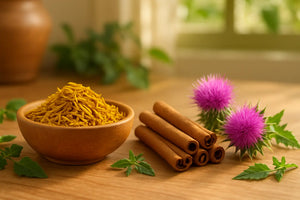
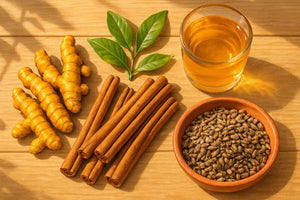
- Main Ingredients: Berberis Aristata (Daruhaldi), Ceylon Cinnamon, Milk Thistle
-
Gut-Heart Connection:
- Cinnamon supports healthy blood sugar and insulin, which is key for gut and metabolism.
- Berberine and Milk Thistle support liver detox and reduce inflammation.
- Fights oxidative stress, common in poor gut health symptoms.
- How to use: 2 capsules daily after meals.
- See Gluco Wise
Why choose plant-based and natural?
- Unlike many mainstream capsules (gelatin-based), Daily All Day’s capsules use cellulose—good for vegans and the environment.
- No artificial sugar, color, or nasties—really supports a healthy gut diet.
Frequently Asked Questions
-
What is the gut-brain axis?
It is the strong connection between your brain and digestive system. A healthy gut helps the brain function well, and stress or anxiety can also affect your stomach. Eating right and using prebiotics and probiotics can support both your gut and mind. -
What are the main symptoms of poor gut health?
You might feel bloating, uncomfortable gas, heartburn, constipation, or irregular stools. Constant tiredness, skin problems, or regular mood swings can be linked to an unhealthy gut. -
How do I improve gut health in South India?
Eat home-cooked, spice-balanced meals, add fermented foods, chew fennel seeds after spicy meals, and avoid skipping breakfast or long gaps between meals. Try supportive products if needed. -
Are probiotic supplements necessary?
If you have had antibiotics, irregular diet, or gut problems, supplement probiotic options can help restore good gut flora. But mostly, traditional foods like curd, dosa/idly batter, and pickles are enough. -
Is coffee good for gut health?
Drinking moderate coffee can help stimulate movement in the bowels, but too much or on an empty stomach may irritate sensitive stomachs.
Key Takeaways for a Healthy South Indian Gut
- Spices like chilli, ginger, cumin, turmeric, and fennel are natural allies for gut health.
- Fermented foods support your gut bacteria—add curd and dosa to your diet.
- Balance is key: too much spice can hurt rather than help, watch out for symptoms like heartburn and bloating.
- Consider Daily All Day’s Sea Buckthorn Juice and Gluco Wise for all-round gut and metabolic support.
- For more, read about traditional pickles, triphala gut health guide, and how timing your meals matters—links above!
Conclusion
Spicy food is a huge part of South Indian culture and meals. Chilli peppers and spices like turmeric, ginger, garlic, and cumin all play important roles in supporting digestion health. Research shows that capsaicin, the main compound in chillies, can stimulate metabolism, boost antioxidant power, and, when consumed in moderation, offer gut-protecting and anti-inflammatory benefits [2] [3] [4] [5]. However, too much spice can cause irritation and digestive problems in some people—listen to your body.
For a healthy South Indian gut:
- Enjoy spices in balance.
- Add fermented foods (like idly and dosa) for probiotics and gut health.
- Try gut-friendly ingredients like Sea Buckthorn juice for gut lining support and holistic wellness.
- Manage stress, eat at regular times, and explore supplements if needed—especially if you notice symptoms of poor gut health like heartburn or bloating.
South Indian spices are not just about taste—they fuel digestion, gut-brain axis health, and long-term vitality. For more on Indian gut health and traditional foods, check our guide on how Triphala supports the gut and the benefits of traditional Indian pickles.
References:
[2] Biomedical and Antioxidant Potentialities in Chilli
[3] TRP-based combination and metabolism
[4] Antifibrotic effects of capsaicin
[5] Capsaicin and neuroprotection
[1] TRPV1 in bone and metabolism
[6] TRPV1 channel mechanism