Coconut-Rich Diet: Health Benefits & Missing Nutrients in Kerala
Share
Table of Contents
- A Slice of Kerala: The Coconut Connection
- Ingredients Deep Dive: What Makes Coconut Special?
- Kerala's Coconut Culture: Quora Q&A Insights
- Health Benefits of a Coconut-Rich Diet
- The Missing Nutrients in Kerala
- Bridging the Gaps: Solutions & Daily All Day Products
- Frequently Asked Questions
A Slice of Kerala: The Coconut Connection
Imagine waking up in a beautiful Kerala village. The air smells like coconut oil and coconut flowers are seen in every home. Almost every lunch at a coconut lunch home features grated coconut, coconut sweet, and a hint of fresh coconut oil in every dish. Local businesses depend on coconut farms, and the day’s news reports the coconut price in Kerala and what coconut oil rate today is!
But while coconut makes food tasty and healthy, you might wonder: Is it really enough for complete nutrition? Many Keralites love foods like tender coconut, coconut jelly, and even coconut-based ice creams. But despite all the benefits, nutrition studies show, surprisingly, that some important nutrients are still missing in many people’s diets. Let’s explore why a coconut-rich diet is great and what else needs attention.
Ingredients Deep Dive: What Makes Coconut Special?
Coconut is not just a fruit—every part is used!
- Coconut water & tender coconut: Refreshing, natural drink packed with electrolytes (good for hydration).
- Coconut meat (raw/dry): Rich in fiber, healthy fats, protein, iron, phosphorus, copper, and selenium.
-
Coconut oil: Used for cooking, hair, and skin. Contains MCTs (medium-chain triglycerides) that are proven to boost energy and metabolism [1].
- Types include: virgin coconut oil, parachute coconut oil, patanjali coconut oil, cold pressed coconut oil.
- Desiccated coconut & copras (dry coconut): Used for making sweets, curries, and more.
- Nata de coco & coconut jelly: Chewy sweet treats made from coconut water.
- Coconut flower: Sap used for traditional drinks and sugars (neera, toddy).
- Husk of coconut, coconut opener, coconut case: Non-edible parts used in crafts and household items.
Coconut is also the base for popular products like coconut oil for hair growth, coconut oil for face, and creamed coconut. Even well-known brands use local produce, like parachute oil and bajaj coconut oil.
Kerala's Coconut Culture: Quora Q&A Insights
-
How do Keralites use coconut daily?
- Used in almost every household dish—breakfast, lunch, snacks, chutneys, and desserts.
- Coconut oil is used for deep frying, stir-fries, sautéing, hair oiling, and skincare due to its antimicrobial properties.
-
What are the health benefits of eating coconut?
- Packed with healthy fats, antioxidants, and minerals; supports heart health and digestion.
- May help control weight and maintain steady blood sugar levels.
-
What about coconut fiber?
- High in fiber, which is good for preventing constipation and supporting gut health.
- Contains copper, selenium, iron, phosphorus—important for energy and immunity too.
-
Any side effects of coconut?
- Mostly safe, but high intake can cause stomach upset in some people. Coconut oil is calorie-rich; use in moderation.
-
Nutritional facts:
- Rich in fat (good for energy), moderate carbs, contains magnesium, potassium, and vitamins.
Health Benefits of a Coconut-Rich Diet
The science matches tradition—coconut is truly good for you! Here are the top benefits:
- Heart Health: The MCTs in coconut help increase HDL (good) cholesterol and may reduce LDL (bad) cholesterol. This can lower heart disease risk [1].
- Weight Management: MCTs boost metabolism, give energy quickly, and help you feel full after meals—useful if you are watching your weight [2].
- Digestive Health: Coconut fiber prevents constipation and helps good bacteria in your gut thrive [1].
- Blood Sugar Control: May help lower blood sugar and reduce type 2 diabetes risk when included with a balanced diet.
- Immune Support: Contains lauric acid, which has antiviral, antibacterial, and antifungal benefits.
- Cognitive and Nervous System Support: MCTs are especially helpful in providing brain energy and are now studied for benefits in neurological diseases [3].
Interesting fact: Even in special diets, like ketogenic diets for certain health conditions, doctors recommend coconut-based MCTs for faster benefits and easier digestion [4].
The Missing Nutrients in Kerala
Sadly, eating a lot of coconut does not protect you completely from nutrient deficiencies. Some common gaps seen in Kerala include:
- Vitamin D: Even in sunny Kerala, around 70-90% are deficient in Vitamin D. This is due to more indoor lifestyles and lack of vitamin D in major food sources.
- Vitamin B12: Many are low in B12, especially vegetarians or those with gut absorption issues.
- Iron and Folic Acid: Nutritional anemia is widespread, mostly because diets are low in these nutrients.
- Low intake of Fruits & Vegetables: Studies show over 85% do not consume enough fruits and veggies, missing out on important micronutrients and fiber [5].
- Protein, Zinc, and Other Micronutrients: Not everyone includes enough pulses, seafood, or nuts to meet their full needs. You can learn more about related issues in our blog on micronutrient deficiency in seafood-rich states.
Bridging the Gaps: Solutions & Daily All Day Products
What can you do if you want maximum benefits from a coconut-rich diet in Kerala?
-
Keep coconut as a healthy base, but add:
- Seasonal fruits: mangoes, oranges, guava, berries
- Leafy greens, carrots, pumpkin for more Vitamin A, C, folate
- Pulses, legumes, and fish (if non-vegetarian)
- Fortified foods with B12 and Vitamin D
-
Try functional supplements for known gaps:
- Daily All Day Sea Buckthorn Juice — Rich in Omega 3, 6, 9, and rare Omega 7, plus Vitamin C and E. Supports skin glow, immunity, heart health, hydration, and clear skin.
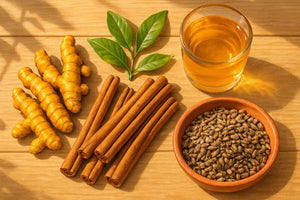
- Daily All Day Gluco Wise — Combines berberine, Ceylon cinnamon, and milk thistle to help manage cholesterol, support blood sugar regulation and liver health. This is great for those with coconut-heavy, carb-rich diets who need blood sugar support.
- Learn more about how food impacts micronutrients in our rice-based diets and blood sugar or read about micronutrient gaps in vegetarian Indian diets.
Regularly reviewing your diet and consulting with a healthcare provider or nutritionist is key if you have allergies or special health problems.
Frequently Asked Questions
-
Is eating a lot of coconut oil healthy?
Coconut oil is rich in healthy MCTs which may support heart and brain health. However, it’s still high in calories, so use it in moderation as part of a balanced diet. For best results, choose cold pressed, virgin coconut oil for cooking and skin/hair care. -
Can coconut help with weight loss?
Yes, MCTs in coconut oil can increase satiety and boost metabolism, assisting in weight management [2]. But for real benefits, add plenty of fruits, vegetables, and exercise! -
Are people in Kerala healthier due to their coconut diet?
Coconut inclusion supports good health, but research shows many individuals still have Vitamin D, B12, and iron deficiencies, mainly due to lack of other food variety. A coconut-rich diet is best enjoyed with complementary foods and supplements as needed. -
What is the best coconut oil for hair growth?
Virgin coconut oil is best. It is less processed, helps protect hair, and supports scalp health. Apply gently to the scalp and leave for a few hours or overnight before washing. -
How can I address iron or Vitamin D deficiency while on a coconut-rich diet?
Add iron-rich foods (like leafy greens, lentils, or supplements if advised). For Vitamin D, spend time in sunlight and include fortified foods. If necessary, select a high-quality supplement after consulting a doctor. You can also learn more about addressing deficiencies in this detailed blog on Vitamin D.
A coconut-rich diet is at the heart of Kerala's food culture, providing medium-chain triglycerides (MCTs), healthy fats, fiber, and various micronutrients. Thanks to coconut oil, grated coconut, and tender coconut, the local population enjoys benefits in heart health, digestion, immune support, and weight management, as supported by scientific studies and traditional wisdom [1][2]. However, despite these advantages, nutritional gaps remain—most notably vitamin D, B12, iron, folic acid, and inadequate fruit and vegetable consumption—as highlighted by both research and real-world experience in Kerala [3].
To achieve optimal health, a balanced diet is important. Complementing daily coconut-based meals with a variety of fruits, vegetables, and carefully chosen supplements—like Daily All Day Sea Buckthorn Juice or Gluco Wise capsules—can help close these nutrition gaps, support skin and immune health, and maintain energy. For those interested in how regional diets impact nutrient intake, discover more about rice-based diets and blood sugar or micronutrient deficiencies in seafood-rich states.
Keralites' deep connection with coconut is admirable, but for complete well-being, it’s vital to combine their traditional foods with a diversity of nutrient sources, thus building on natural strengths and closing nutritional gaps—backed by both tradition and science [4][5].