How Indian High-Carb Meals (Roti + Rice) Impact Blood Sugar & B Vitamins
Picture this: a warm, fluffy roti in one hand, a spoonful of aromatic dal rice in the other. This isn't just a meal; it's a feeling of home and comfort for millions across India. But have you ever paused to think about what happens inside your body after enjoying this satisfying, high-carb meal? These staples, while delicious, can send your blood sugar on a rollercoaster ride and quietly drain your body of essential B vitamins. Let's break down this complex relationship in a simple way.
Carbohydrates 101: The Body's Fuel
Before we dive deep, let's get friendly with carbohydrates. Think of them as the petrol for your body's car—they provide the primary energy to keep you going.
- Types of Carbohydrates: They come in two main forms: simple and complex. Simple carbs are sugars (like those in sweets and fruits), which give quick energy. Complex carbs, or polysaccharides, are long chains of sugar molecules found in foods like rice, roti, and potatoes. These are meant to provide sustained energy.
- How Digestion Works: When you eat foods rich in carbohydrates, your body gets to work. The process of breaking down these long chains into simple sugar (glucose) starts in your mouth and continues in your small intestine. Once broken down into glucose, it's absorbed into your bloodstream. A common question is, "describe the process of digestion and absorption of carbohydrates in the small intestine." In simple terms, enzymes in the small intestine chop up complex carbs into glucose, which then passes through the intestinal walls into your blood to fuel your cells.
- What About Undigested Food? Any leftover food material, mostly fiber, moves into the large intestine. This answers another top query: "water from the undigested food is absorbed mainly in the" large intestine, which prepares the waste for removal.
The Roti vs. Rice Showdown: Impact on Blood Sugar
Not all carbs are created equal. Their effect on your blood sugar is measured by something called the Glycemic Index (GI). The GI is a scale from 0 to 100 that tells you how quickly a food raises your blood sugar levels.
- High GI Foods: Foods with a high GI, like white rice, are digested quickly. This causes a rapid spike in blood sugar, giving you a quick burst of energy followed by a potential crash. This is why white rice is considered one of the high glycemic index foods.
- Low GI Foods: Foods with a lower GI, like whole wheat roti, are digested more slowly. This is because they contain fiber, which slows down the release of sugar into the bloodstream, providing a more stable and sustained energy supply.
This difference is crucial, especially for managing health conditions like diabetes. A diet consistently high in refined carbs can lead to insulin resistance, where your body's cells stop responding to insulin properly. This is a stepping stone to type 2 diabetes.
The Hidden Connection: High Carbs and B Vitamin Drain
Here's something many people don't know: your body needs B vitamins to process the carbs you eat. B vitamins act as coenzymes, or "helper molecules," in the metabolism of carbohydrates. They help convert glucose into usable energy.
- The Depletion Effect: When you consume a lot of high carbohydrate foods, your body's demand for B vitamins (like B1, B2, B3, B6, and B12) goes up. If your diet isn't rich in these vitamins, you can start running low. This can leave you feeling tired, foggy, and irritable—often the cause of that dreaded post-lunch energy crash.
- The B12 Challenge in India: Vitamin B12 is a special case. It's vital for nerve function and making red blood cells, but it's primarily found in animal products. Since a large portion of the Indian population follows a vegetarian diet, Vitamin B12 deficiency is incredibly common.[3] Research highlights that this deficiency is a widespread issue, affecting many from a young age.[5] A diet high in carbs further strains the body's limited B12 supply, making supplementation an important consideration for many.[2]
Your Questions Answered: Insights from Quora
Many people have the same questions you do! Here’s what the community on Quora is saying about carbs, roti, rice, and blood sugar:
- Which is a better choice for someone with diabetes, rice or roti? Users widely agree that chapati (roti) is better. As one user explains, “White rice has a higher glycemic index than chapati, which means it increases blood sugar more rapidly. Thus chapati is always a preferred choice.”
- Why do doctors advise diabetes patients to eat chapati over rice? The consensus is clear: “Rice is heavy in carbohydrates and has a high glycemic index. Rice can quickly boost blood glucose levels to dangerously high levels.” The fiber in whole wheat chapati makes it a safer option.
- Does low-carb special roti help in regulating blood sugar? Yes, it can! The key is what the roti is made of. Low-carb flours like almond, coconut, or chickpea flour can be great alternatives. As one response suggests, looking up keto roti recipes can provide excellent, blood-sugar-friendly options.
- Which Indian rice brands offer diabetic-friendly rice? While some brands market low-GI rice, the fundamental issue remains. An answer on Quora rightly points out, “It is well known that white rice has a high glycemic index. Eating foods with a high glycemic index will cause a rise in blood sugar levels.” It’s often better to switch to brown rice or millets.
Ingredients Deep Dive: Nature's Support System
Managing the effects of a high-carb diet can be challenging, but certain natural ingredients can provide powerful support. Let's look at some of the heroes found in Daily All Day supplements.
For Blood Sugar and Metabolic Health:
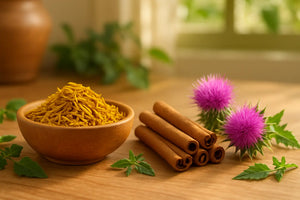
- Berberis Aristata (Daruhaldi): This herb is a powerhouse for metabolic health. It’s known to support healthy blood sugar levels and also promotes liver health, which is crucial for processing everything we eat.
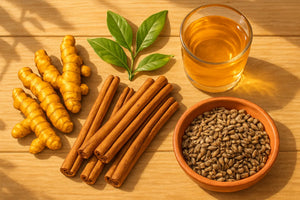
- Ceylon Cinnamon (Dalchini): More than just a spice, Ceylon Cinnamon helps your body's insulin work more efficiently. This helps regulate blood sugar levels and can improve overall metabolism.
- Milk Thistle: Your liver is your body's main detoxifier. Milk Thistle aids in liver detoxification and helps manage fatty liver, a condition often linked to high-carb diets and poor metabolic health.
For Weight Management and Cravings:
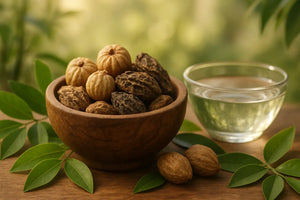
- Garcinia Cambogia: This tropical fruit extract is famous for its ability to help burn fat and suppress appetite, making it easier to manage portion sizes and avoid overeating carbs.
- Green Tea & Green Coffee Beans: Both are packed with antioxidants and compounds that boost metabolism. They help your body burn calories more efficiently, turning it into a better fat-burning machine.
- Gurmar: The name literally means “sugar destroyer” in Hindi. Gurmar helps regulate sugar cravings by making sweet foods taste less appealing, giving you better control over your diet.
- Triphala: This classic Ayurvedic blend supports healthy digestion and detoxification, ensuring your gut health is in top shape to handle your meals effectively.
Smart Support for Your Health Goals
A balanced diet and active lifestyle are your first line of defence. But when you need an extra edge to manage the impacts of our modern, carb-heavy diets, targeted supplements can be a game-changer.
For Managing Blood Sugar & Cholesterol: If you're concerned about blood sugar spikes, cholesterol, or liver health, Daily All Day Gluco Wise is formulated for you. It contains a rare, powerful combination of Berberine Aristata (500mg), Ceylon Cinnamon (250mg), and Milk Thistle (50mg). This holistic formula helps regulate blood sugar, supports heart health, and aids in liver detox. Just take 2 plant-based capsules twice daily after meals to give your body the support it needs.
For Weight Management & Metabolism: If your goal is to manage weight, burn fat, and control cravings, Daily All Day Slim Support is your perfect partner. It blends 10 powerful herbs, including Garcinia Cambogia, Green Coffee Beans, and Gurmar, to suppress appetite and boost your metabolism naturally. Take 2 capsules twice daily an hour before meals to help you achieve your weight management goals faster.
Frequently Asked Questions
- 1. Which is better for someone with diabetes: rice or roti?
- Generally, whole wheat roti (chapati) is a better choice. It has more fiber and a lower glycemic index than white rice, which means it raises blood sugar more slowly. If you eat rice, choose brown rice and keep the portion small.
- 2. Can eating too many carbs cause B vitamin deficiency?
- Yes, it can contribute to it. Your body uses B vitamins to convert carbs into energy. A diet very high in refined carbs (like white rice, maida, and sugar) increases the demand for these vitamins. If your intake of B-vitamin-rich foods is low, you can develop a deficiency over time.
- 3. Are all carbohydrates bad for you?
- Absolutely not! Carbohydrates are essential for energy. The key is to choose the right kind. Complex carbohydrates from whole grains (whole wheat, oats, millets), legumes (dals, beans), and vegetables are excellent choices. They provide sustained energy and fiber. It's the refined carbs and sugary foods that you should limit.
- 4. How can I make my Indian meals healthier without giving up roti and rice?
- You can make simple swaps! Switch to whole wheat or multigrain roti. Replace some of your white rice with brown rice, quinoa, or millets. Most importantly, fill half your plate with vegetables (sabzi and salad) and a quarter with protein (dal, paneer, or lean meat). This automatically reduces your carb portion and adds fiber and nutrients.
- 5. Do supplements really help in managing blood sugar from high-carb meals?
- Supplements can provide excellent support when combined with a healthy diet and lifestyle. Ingredients like Berberine and Cinnamon, found in products like Daily All Day Gluco Wise, have been studied for their ability to help improve insulin sensitivity and manage blood sugar levels. They are not a magic pill but a tool to help your body function better.

The Final Takeaway: Balancing Tradition with Health
Our traditional Indian meals, centred around roti and rice, are deeply woven into our culture and provide immense comfort. However, understanding their impact is key to long-term health. These high-carb foods, especially refined versions, can cause significant spikes in blood sugar and deplete our essential B vitamins, which are crucial for energy production. A diet heavy in these staples can contribute to issues like insulin resistance, fatigue, and nutrient deficiencies, a concern particularly for India's large vegetarian population who are already at risk for B12 deficiency.[6]
But this doesn't mean you have to abandon your favourite foods! The solution lies in making smarter choices—opting for whole grains, controlling portion sizes, and pairing carbs with plenty of fibre, protein, and healthy fats. This balanced approach helps slow down sugar release and ensures you get a wider range of nutrients.[1]
For those looking for extra support on their health journey, nature offers powerful allies. Daily All Day Gluco Wise, with its unique blend of Berberine, Ceylon Cinnamon, and Milk Thistle, is designed to help your body manage blood sugar and support liver health. If weight management and metabolism are your goals, Daily All Day Slim Support combines potent herbs like Garcinia Cambogia and Green Tea to help burn fat and control cravings. By embracing mindful eating and incorporating targeted, natural supplements, you can continue to enjoy the richness of Indian cuisine while actively protecting your health.