How Diabetes Is Rising in India Due to High-Carb Food Culture
Imagine a typical Indian dinner plate. What do you see? A large mound of steaming white rice, a stack of soft rotis, a small bowl of dal, and perhaps a spoonful of sabzi. For generations, this has been the picture of a hearty, comforting meal. But what if this very picture of comfort is contributing to a silent health crisis sweeping across the nation? India is often called the “diabetes capital of the world,” and a closer look at our plates reveals a big part of the reason why. Our deep-rooted, high-carb food culture is a major factor in the staggering rise of diabetes mellitus.
Table of Contents
- The Alarming Numbers: India's Diabetes Epidemic
- Why Our Plates Are Part of the Problem
- How High-Carb Diets Lead to Diabetes
- What People Are Asking: Insights from Quora
- The Genetic Connection: Why Indians Are More Vulnerable
- A Helping Hand from Nature: Natural Support for Blood Sugar
- Ingredients Deep Dive: Daily All Day Gluco Wise
- Ingredients Deep Dive: Daily All Day Slim Support
- Frequently Asked Questions
The Alarming Numbers: India's Diabetes Epidemic
The statistics are more than just numbers; they represent millions of lives impacted by this chronic condition. India is witnessing a health crisis that has grown rapidly over the last few decades.
- The Scale of the Problem: India has a staggering 89.8 million adults living with diabetes. This number is projected to rise, making events like World Diabetes Day 2025 more critical than ever for raising awareness.[3]
- A Rapid Increase: The rate of new diabetes cases has surged by over 62% since 1990. What was once an uncommon condition is now a major public health challenge.
- Not Just an Urban Issue: While more common in cities, diabetes is now spreading to rural areas as lifestyles and diets change everywhere.
This explosive growth isn't just a coincidence. It's closely linked to a massive shift in how we eat, live, and work.
Why Our Plates Are Part of the Problem
Traditionally, Indian diets were high in carbohydrates, but they came from unrefined sources like millets and whole grains, balanced by significant physical labor. Today, the story is different.
- The Reign of Refined Grains: Polished white rice and refined wheat flour (maida) now dominate our meals. Foods like white bread, naan, poori, and most store-bought snacks are made from these simple carbs that our bodies digest too quickly.
- Sugar, Sugar Everywhere: From the sugar in our morning chai to the high-sugar Indian sweets we love, our sugar intake is often off the charts. Added sugars are hidden in sauces, drinks, and packaged foods.
- The Rise of Processed Foods: As life gets busier, we are turning to instant noodles, biscuits, chips, and sugary beverages. These foods offer a double whammy: high in refined carbs and unhealthy fats.
- The Double Trouble Diet: The combination of high carbs with deep-fried foods (like samosas, pakoras) creates a diet that is incredibly high in calories and puts immense pressure on our metabolism.
How High-Carb Diets Lead to Diabetes
So, how does eating too many refined carbs lead to type 2 diabetes mellitus? It’s a step-by-step process.
- Blood Sugar Spikes: Refined carbs are broken down into glucose (sugar) very quickly, causing a rapid spike in your blood glucose levels. This is known as hyperglycemia.
- Insulin Overdrive: To manage this sugar rush, your pancreas releases a hormone called insulin. Insulin acts like a key, unlocking your cells to let glucose in for energy.
- The Cells Get Tired: When you constantly eat high-carb meals, your pancreas has to work overtime, pumping out more and more insulin. Over time, your cells become tired of the constant insulin signals and start ignoring them. This is called insulin resistance.
- Sugar Stays in the Blood: With insulin resistance, glucose can't enter the cells easily and remains in your bloodstream, leading to consistently high sugar levels. This is the hallmark of type 2 diabetes.
This condition can lead to serious complications like heart disease, kidney problems (diabetic nephropathy), and nerve damage. That's why maintaining normal blood sugar levels is so important.
What People Are Asking: Insights from Quora
Many Indians are wondering about this health trend. Here are some common questions from Quora, along with summarized answers:
-
Why is there an increase in diabetes patients in India?
Users point out that dietary habits, especially the love for high-carb and fried foods, have made India the diabetes capital. The excessive use of sugar, in both obvious and hidden forms, is a major culprit. -
Why is diabetes so common in India?
The consensus is that it's a mix of factors. Genetically, Indians are more prone to diabetes. This is compounded by diets rich in carbohydrates, fats, and sugar, along with a tendency towards a sedentary lifestyle. -
Is India beginning to have a diabetes epidemic?
Yes. Economic prosperity has led to overeating, especially processed and refined foods. This lifestyle change, combined with genetic predisposition, is fueling an epidemic.
The Genetic Connection: Why Indians Are More Vulnerable
Diet isn't the only factor. Research shows that people of South Asian descent are genetically more susceptible to developing type 2 diabetes.[5] This is often linked to the "thrifty phenotype" theory, which suggests that our bodies are designed to store fat efficiently—a trait that was useful during times of famine but becomes a problem in times of plenty. This means we can develop insulin resistance and diabetes at a lower body weight and younger age compared to other ethnic groups.
A Helping Hand from Nature: Natural Support for Blood Sugar
Managing diabetes requires a holistic approach: a balanced diet, regular exercise, and stress management. For those looking for natural support to complement these efforts, certain Ayurvedic herbs and ingredients have shown promising results in supporting metabolic health. While making meals more nutrient-rich is the first step, supplements can provide targeted support.
Two key areas to focus on are blood sugar regulation and weight management. That's why products like Daily All Day Gluco Wise and Slim Support are designed with specific, science-backed ingredients.
Ingredients Deep Dive: Daily All Day Gluco Wise
Daily All Day Gluco Wise is a unique blend designed to support three core areas: blood sugar balance, cholesterol levels, and liver health.
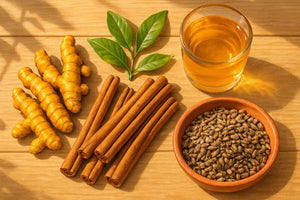
- Berberis Aristata (Daruhaldi) (500mg): A powerful plant compound, Berberine is a star player in metabolic health. It helps improve insulin sensitivity, meaning your cells can use glucose more effectively. It also supports healthy liver function, which is crucial for managing blood sugar and cholesterol.
- Ceylon Cinnamon (Dalchini) (250mg): Not just a spice, Ceylon Cinnamon has been shown to help regulate insulin levels and mimic its effects, helping to lower fasting blood sugar. It also boosts metabolism.
- Milk Thistle (50mg): Your liver is a metabolic powerhouse. Milk Thistle aids in liver detoxification and can help reduce fat buildup in the liver (a common issue known as fatty liver), which is closely linked to insulin resistance.
This rare combination works together to help manage cholesterol, support diabetes management, and improve overall liver function. The capsules are 100% vegetarian and made with certified, high-quality ingredients.
Ingredients Deep Dive: Daily All Day Slim Support
Since obesity and excess weight are major risk factors for type 2 diabetes, managing your weight is a critical step. Daily All Day Slim Support is formulated with 10 powerful herbs to help you on your weight management journey.
- Garcinia Cambogia (250mg): This popular ingredient helps suppress appetite and may block the body's ability to make fat.
- Green Coffee Beans & Green Tea (100mg & 50mg): Both are rich in antioxidants and known to boost metabolism, helping your body burn calories more efficiently.
- Methi (Fenugreek) & Gurmar (100mg each): Fenugreek supports digestion and weight management,[6] while Gurmar is famously known as the "sugar destroyer" as it can help reduce sugar cravings.
- Apple Cider Vinegar (100mg): ACV is widely used to support digestion and aid in weight management.
This holistic formula helps burn fat, suppress appetite, and boost your metabolism, providing comprehensive support for achieving a healthy weight.
Frequently Asked Questions
- 1. Why is diabetes called a "silent killer"?
- Diabetes is often called a silent killer because in its early stages, especially with type 2 diabetes, the symptoms can be very mild or even absent. High blood sugar (hyperglycemia symptoms) might include frequent urination, thirst, and fatigue, which many people ignore. Over years, uncontrolled high blood sugar silently damages vital organs like the heart, kidneys, eyes, and nerves, leading to serious complications before a person even realizes they are very sick.
- 2. Can type 2 diabetes be reversed?
- While there's no "cure," type 2 diabetes can go into remission. Remission means your blood sugar levels return to a non-diabetic range without needing medication.[3] This is often achievable through significant lifestyle changes, including major weight loss, a very low-carb diet, and regular, intense exercise. It's most likely to happen if a person is diagnosed early.
- 3. What is the difference between Type 1 and Type 2 diabetes?
- Type 1 diabetes is an autoimmune disease where the body's immune system attacks and destroys the insulin-producing cells in the pancreas. It's not related to lifestyle and usually starts in childhood or young adulthood. People with Type 1 need to take insulin for life. Type 2 diabetes is a metabolic disorder where the body either doesn't produce enough insulin or can't use it effectively (insulin resistance). It is strongly linked to lifestyle factors like diet, obesity, and lack of exercise.
- 4. Are millets really better than rice for diabetics?
- Yes, for the most part. Millets like jowar, bajra, and ragi have a lower glycemic index (GI) than polished white rice. This means they release sugar into the bloodstream more slowly, preventing sharp spikes. They are also higher in fiber and essential nutrients. Replacing some or all of your white rice with millets is an excellent dietary change for managing blood sugar.
- 5. How does stress affect blood sugar levels?
- When you're stressed, your body releases stress hormones like cortisol and adrenaline. These hormones prepare your body for a "fight or flight" response by telling your liver to release stored glucose for quick energy. This can raise your blood sugar levels. For someone with diabetes, their body can't process this extra sugar effectively, leading to prolonged high blood sugar.

Conclusion: Reclaiming Our Health, One Plate at a Time
India's journey to becoming the 'diabetes capital of the world' is a complex story, but our high-carb food culture plays a leading role. The shift from traditional, fiber-rich grains to refined rice, wheat, and an abundance of sugar has, over time, stressed our bodies, especially given a genetic predisposition to insulin resistance.[1] The evidence is clear: our plates, filled with large portions of refined carbohydrates and sugary treats, are contributing to rising rates of type 2 diabetes mellitus.[3]
But this isn't a story without hope. The solution isn't to abandon our beloved food culture but to intelligently adapt it. By reintroducing millets, increasing our vegetable and protein intake, being mindful of portion sizes, and reducing our reliance on processed foods and sweets, we can make a significant impact on our health. It’s about creating a new balance that honours tradition while protecting our future.
Lifestyle changes are paramount, but sometimes our bodies need extra support. This is where nature, backed by science, can offer a helping hand. Supplements like Daily All Day Gluco Wise are formulated with powerful ingredients like Berberine, Cinnamon, and Milk Thistle to support healthy blood sugar levels, improve cholesterol, and promote liver health. For those managing weight, a key factor in diabetes prevention, Daily All Day Slim Support can help boost metabolism and control appetite. These certified, plant-based capsules are designed to complement a healthy diet and active lifestyle, providing a holistic approach to managing your metabolic health. By making conscious choices every day, we can change the narrative and build a healthier India for generations to come.