Does Berberine Help Blood Sugar in Urban Indians?
Share
Bottom line: Berberine, the active compound in Berberis aristata, activates AMPK enzymes that help cells use glucose more efficiently, making it a well-studied ingredient for blood sugar support. Gluco Wise- Blood Sugar Support combines berberine with Ceylon cinnamon and milk thistle, offering urban Indians a practical, FSSAI-compliant Ayurvedic supplement for pre-diabetes India daily routines.
Does Berberine Help Blood Sugar in Urban Indians?
Table of Contents
- A Common Urban Story: Thin Outside, At-Risk Inside
- Hidden Signs of Pre-Diabetes and Fatty Liver in Urban Indians
- Stress, Cortisol and "Healthy" Weight: The Real Danger
- Ingredients Deep Dive: What Makes Gluco Wise Special?
- PCOS, Sugar Crashes and Weekend Binges: Women, Stress and Metabolic Health
- Skinny Fat and Silent Liver Trouble: Why Normal-Weight Needs Watchful Care
- Quora QnA: Urban Indian Questions on Blood Sugar and Gluco Wise
- When to Use Gluco Wise
- Frequently Asked Questions
A Common Urban Story: Thin Outside, At-Risk Inside
It's Sunday evening. You just got back from a Diwali party, ate three servings of mithai without thinking, and now you're oddly foggy. Not drunk. Just heavy, sluggish, vaguely guilty. Your last health check showed fasting sugar at 101 mg/dL. Your doctor said "borderline, watch your diet." You nodded. You forgot about it by Tuesday.
This is the story of millions of urban Indians right now. People who look fine on the outside, exercise sometimes, eat dal-chawal at home, yet quietly sit in a metabolic grey zone. Searches like berberine blood sugar supplement for Indians, "postprandial sugar normal value," and "does rice spike insulin" are trending on Google India for a reason. People are worried. They just don't always know what to do next.
What most top-ranking articles miss is this: the Indian metabolic context is genuinely different. A high-rice, high-wheat diet, late dinners after long Metro commutes, festival eating cycles every six weeks, chronic work-from-home screen stress, and a genetic predisposition to visceral fat storage at lower BMIs all combine to create a risk profile that Western supplement studies don't fully capture. If you're an urban Indian asking whether a berberine blood sugar supplement for Indians makes sense, the short answer is: the science is more relevant to you than to a 90-kg American.
Hidden Signs of Pre-Diabetes and Fatty Liver in Urban Indians
Your BMI is 22. Your waist is 34 inches. You eat home-cooked food most days. And yet.
- You feel tired every afternoon, even after a full night's sleep
- Your fasting sugar sits between 100 and 125 mg/dL repeatedly
- Cholesterol creeping up despite "eating clean"
- An ultrasound showing "mild fatty change in liver"
- Energy crashes after a rice meal, rescued only by chai
A 2019 study published in The Lancet Diabetes and Endocrinology, drawing on ICMR-INDIAB data from over 57,000 Indian adults, found that nearly 15.3% of urban Indians had diabetes and another 14.2% had pre-diabetes, many without obesity by standard BMI cutoffs. South Asians store visceral fat at lower body weights, which makes the "I look fine" defence genuinely unreliable here.
This is what Ayurveda has called prameha territory for centuries: a slow, creeping metabolic imbalance, not a dramatic sudden illness. The modern version shows up in your bloodwork before it shows up in the mirror.
Curious whether you might be metabolically unfit despite a normal weight? This piece on thin but metabolically at-risk Indians goes deeper.
Stress, Cortisol and "Healthy" Weight: The Real Danger
Here's something the top five search results for berberine never mention: cortisol is a sugar-spiking hormone. When you're in back-to-back Zoom meetings, stuck in Bengaluru traffic at 9 PM, or dreading a Monday appraisal, your body releases cortisol. Cortisol signals the liver to dump glucose into your bloodstream. No food needed. The spike happens anyway.
For urban Indians especially, this chronic low-grade stress creates a compound problem. Cortisol raises blood sugar, disrupts sleep, increases cravings for sweet or salty snacks (hello, 4 PM namkeen habit), and over time nudges fasting glucose higher and higher. Add the genetic predisposition, add the rice-heavy dinner at 10 PM, and you have the quiet setup for pre-diabetic patterns in people who genuinely think they're managing fine.
Gluco Wise contains Ashwagandha (300 mg), traditionally used in Ayurveda to support the body's stress response. A 2019 randomised controlled study (n=60, KLE University, India) found that ashwagandha root extract supplementation was associated with reduced serum cortisol levels compared to placebo. Lower cortisol means fewer stress-driven glucose spikes, not just better sleep.[1]
Ingredients Deep Dive: What Makes Gluco Wise Special?
Most articles listing berberine benefits stop at "it activates AMPK." That's accurate but incomplete. Here's what each ingredient in Gluco Wise actually does, and why the combination matters for the Indian diet pattern specifically.
Berberis Aristata (Berberine): 500 mg
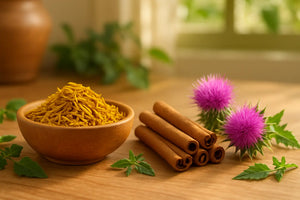
Berberine is the key active compound in Daruhaldi, a plant used in traditional Ayurvedic formulations for centuries. Scientifically, it activates AMP-activated protein kinase (AMPK), sometimes called the body's "metabolic master switch." This helps cells absorb and use glucose more effectively, reduces glucose production in the liver, and supports insulin sensitivity.
A 2008 randomised trial published in Metabolism (n=116 adults with type 2 diabetes) found berberine comparable to metformin in reducing fasting blood glucose and HbA1c over 3 months. More relevant to the Indian context, a 2012 meta-analysis in the Journal of Ethnopharmacology (14 trials, 1,068 participants, predominantly Asian populations) confirmed its effect on fasting plasma glucose and postprandial blood sugar.[2]
As a dietary supplement under FSSAI, Gluco Wise is not a medicine and does not treat or diagnose diabetes. It supports healthy blood sugar maintenance as part of a balanced lifestyle.
Ceylon Cinnamon Extract: 250 mg
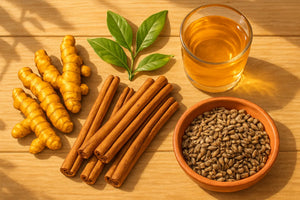
Ceylon cinnamon (not the cheaper cassia variety) supports insulin receptor activity and helps slow the digestion of carbohydrates. This is particularly relevant after a rice or roti-heavy Indian meal, where the postprandial glucose rise can be steep. The polyphenols in Ceylon cinnamon also contribute antioxidant activity.[3]
Milk Thistle: 50 mg (90% extract)
Silymarin, the active compound in milk thistle, supports liver cell regeneration and helps maintain normal liver enzyme levels. For the growing number of urban Indians with non-alcoholic fatty liver findings on ultrasound, this ingredient adds a meaningful dimension to metabolic support. The liver is central to glucose regulation. Supporting it is not a cosmetic extra.
Additional ingredients
- Ashwagandha (300 mg): stress response and cortisol support
- Green tea extract and L-Arginine: antioxidant and circulatory support[4]
- Chamomile: traditionally used to support digestive calm
- 100% vegetarian capsules, no gelatin
- FSSAI-registered dietary supplement
A note on FSSAI vs AYUSH licensing: Many Indian buyers are confused by this. Gluco Wise is an FSSAI-registered nutraceutical supplement. AYUSH-licensed products are medicines regulated under AYUSH ministry guidelines. These are two different regulatory categories. Neither is "better," but they are different things. Gluco Wise supports healthy metabolic function as a supplement, not as an AYUSH-licensed medicine.
PCOS, Sugar Crashes and Weekend Binges: Women, Stress and Metabolic Health
PCOS affects an estimated 1 in 5 Indian women of reproductive age, according to a 2021 review in the Journal of Human Reproductive Sciences. Insulin resistance sits at the centre of most PCOS presentations. That means blood sugar instability, cravings, fatigue after meals, and stubborn abdominal weight are not just "hormonal" — they are metabolic.
Berberine has been studied specifically in PCOS populations. A 2012 randomised trial (n=89 Chinese women with PCOS) compared berberine to metformin and found similar improvements in insulin sensitivity and hormonal markers, with berberine also showing better lipid outcomes. While this is not an Indian-population study, the insulin resistance mechanism is shared.[5]
For Indian women navigating Karwa Chauth fasts followed by heavy festive meals, Eid sawaiyan, or the Holi thandai cycle, the postprandial swings can be significant. Gluco Wise may help support steadier glucose responses through these seasonal eating shifts, as part of an overall balanced routine.
For women specifically, this article on thyroid and blood sugar support for women covers related hormonal overlap in useful detail.
Skinny Fat and Silent Liver Trouble: Why Normal-Weight Needs Watchful Care
In India, non-alcoholic fatty liver disease (NAFLD) is no longer just an obesity story. A 2019 AIIMS Delhi study of 204 lean Indian adults (BMI less than 23) found NAFLD prevalence of 17.6% in this group, with metabolic risk factors including elevated triglycerides and insulin resistance as key drivers, not body weight.
The liver and blood sugar are deeply connected. A liver under fat stress releases more glucose into the bloodstream, worsening fasting sugar readings. This is why addressing liver health is not separate from blood sugar support. It is the same conversation.
Milk thistle in Gluco Wise, combined with berberine's hepatoprotective properties, makes it relevant not just for blood sugar readings but for the underlying metabolic picture.[6]
Quora QnA: Urban Indian Questions on Blood Sugar and Gluco Wise
-
Q: My fasting sugar is 103 mg/dL. Should I be worried?
A: Fasting sugar between 100 and 125 mg/dL is considered impaired fasting glucose (pre-diabetic range) by standard guidelines. It warrants attention, a conversation with your doctor, and lifestyle review. It is not diabetes. But it is a signal worth taking seriously. -
Q: Does rice spike blood sugar?
A: White rice has a high glycaemic index and can cause postprandial spikes, especially in large portions eaten quickly. Eating rice with dal, sabzi, curd, or a small amount of ghee slows absorption. Switching to smaller portions and adding protein to every meal helps considerably. -
Q: Is berberine safe to take every day?
A: As a dietary supplement at standard doses (500 mg), berberine is generally considered well-tolerated for daily use. Those on diabetes medication, blood pressure medication, or thyroid medication should check with their doctor before starting, as interactions are possible. -
Q: Can I take Gluco Wise during Navratri fasting?
A: Taking capsules on an empty stomach during fasts may cause mild digestive discomfort in some people. It's generally fine to pause during a strict fast and resume with meals after. Consistency over weeks matters more than perfect daily timing. -
Q: Blood sugar kitna hona chahiye after eating?
A: Postprandial blood sugar (measured 2 hours after a meal) should ideally be below 140 mg/dL. Between 140 and 199 mg/dL is impaired glucose tolerance. Above 200 mg/dL on two occasions is in the diabetic range by standard criteria.
When to Use Gluco Wise
Consider Gluco Wise if you recognise yourself in any of these:
- Fasting sugar repeatedly between 95 and 125 mg/dL
- Strong family history of type 2 diabetes (parents or siblings)
- Ultrasound showing mild fatty liver, without significant weight issues
- PCOS with insulin resistance markers
- Postprandial energy crashes, particularly after rice or wheat-heavy meals
- High-stress urban lifestyle with disrupted sleep and late dinners
- Borderline cholesterol alongside borderline sugar
How to take it with Indian meal timing: Take one capsule after your morning meal (typically breakfast or after the first proper meal of the day) and one capsule after your evening meal. If you eat dinner late, as many urban Indians do, taking the second capsule after lunch instead may suit you better. Avoid taking on a completely empty stomach. Consistency across 8 to 12 weeks shows better results than sporadic use.
30 / 60 / 90 Day Timeline
30 days: Most people notice steadier energy after meals, reduced afternoon slumps, and fewer carb cravings. Fasting sugar readings may begin to stabilise, though individual variation is significant at this stage.
60 days: By 60 days with consistent use and reasonable diet adjustments, postprandial readings typically show more improvement than fasting. Some users report better cholesterol readings and reduced bloating. Liver enzyme markers may start improving in those with mild fatty liver indicators.
90 days: At 90 days, the cumulative effect of berberine on insulin sensitivity tends to be more measurable. A follow-up blood panel at this point is useful. Sustainable lifestyle changes alongside Gluco Wise make a meaningful difference to what the numbers show.
If you are on prescription medication for blood sugar, please do not adjust or stop medication based on supplement use. Always consult your registered doctor or a qualified Ayurvedic practitioner before adding any supplement to an existing medication routine. This applies especially during pregnancy, breastfeeding, or post-surgery recovery.
Try Gluco Wise- Blood Sugar Support →
Frequently Asked Questions
Should I take Gluco Wise before or after an Indian meal, and does timing matter?
Take Gluco Wise after meals, not before or on an empty stomach. For most Indian routines, one capsule after breakfast and one after dinner works well. If your dinner is consistently after 9 PM (common for urban professionals), shifting the second dose to after lunch may reduce any mild digestive sensitivity. Taking it with food improves absorption and reduces the chance of stomach discomfort, which berberine can occasionally cause on an empty stomach.
Can I take Gluco Wise if I am on metformin, thyroid medication, or blood pressure tablets?
Berberine can interact with metformin (both affect glucose metabolism through overlapping pathways), certain antihypertensives, and CYP450-metabolised drugs including some thyroid medications. This does not mean you cannot take it, but it does mean you should check with your prescribing doctor first. Do not adjust your prescription dose based on a supplement. This conversation with your doctor takes five minutes and protects you from unintended interactions.
Is Gluco Wise an AYUSH medicine or an FSSAI supplement? Does it matter which?
Gluco Wise is an FSSAI-registered dietary supplement, not an AYUSH-licensed medicine. FSSAI regulates food and nutraceuticals; AYUSH ministry licenses traditional medicines under separate frameworks (ASU and Homeopathy). A supplement cannot claim to treat or cure a condition. An AYUSH-licensed product can make certain traditional use claims within its framework. Neither category is "stronger" as such, but they are genuinely different regulatory categories. Knowing this helps you understand what a product is and what it is not. Gluco Wise supports healthy metabolic function as a supplement.
Who should NOT take Gluco Wise?
Avoid Gluco Wise if you are pregnant or breastfeeding (berberine has not been established as safe in pregnancy; consult a registered doctor or qualified Ayurvedic practitioner before use). Also avoid if you are preparing for surgery in the next 2 weeks, as berberine may affect blood glucose regulation under anaesthesia. People with known liver conditions should check with their doctor before adding milk thistle, despite its generally supportive reputation. Children under 18 should not take this product. If you have been diagnosed with type 1 diabetes, please consult your endocrinologist before adding any supplement.
Does the effectiveness of berberine change in summer versus monsoon in India?
There is no direct clinical evidence that temperature or humidity changes berberine's pharmacokinetics. However, Ayurvedic seasonal frameworks (ritucharya) do note that digestion and metabolism shift across seasons. In summer (grishma), appetite is lighter and digestion slower, which may mean smaller, more frequent meals that naturally reduce postprandial spikes anyway. In monsoon (varsha), Ayurveda considers digestive fire (agni) variable, and heavy or fried monsoon snacks (pakodas, bhajiyas) can create more pronounced glucose excursions. Consistent supplement use across seasons, adjusted for your meal pattern, is more important than seasonal dosing changes.
How long before I see a meaningful change in my blood sugar readings?
Postprandial (after-meal) readings tend to respond earlier than fasting glucose, often within 30 days of consistent use. Fasting glucose improvements are more gradual, typically visible at 60 to 90 days. HbA1c, which reflects a 3-month average, is the most reliable marker and is best checked at the 90-day point. These timelines assume consistent use alongside reasonable dietary choices. Gluco Wise is not a substitute for dietary changes. It works alongside them, not instead of them.