Physical Work but Low Energy: Central India’s Nutrition Gap
Share
Table of Contents
- When Hard Work Doesn’t Equal High Energy: Life in Central India
- Why Do People Feel Low Energy? Root Causes
- Protein Problem: Not Just Quantity, But Quality
- Key Micronutrient Deficiencies Holding Us Back
- Gender, Socioeconomics & The Food Plate
- Ingredients Deep Dive: Daily All Day’s Answer to the Gap
- Ouora QnA: What Real People Ask About Low Energy - Answered
- Frequently Asked Questions
When Hard Work Doesn’t Equal High Energy: Life in Central India
Walk through the villages of Madhya Pradesh and Chhattisgarh, and you’ll find hardworking farmers, laborers, and families putting in long, tiring hours day after day. Yet, despite burning so many calories, many complain of constant tiredness, muscle weakness, and feeling worn out. The term "nutrition gap" describes what they’re experiencing: a gap between what their bodies need and what they actually get—especially in terms of protein, vitamins, and minerals. This is not just a local problem, but a national concern. Studies show chronic energy deficiency (CED) even in active women and men, causing both exhaustion and poor health[1].
Why Do People Feel Low Energy? Root Causes
Many believe that as long as they eat "enough" or fill their stomach, they should feel energetic. But that’s not how nutrition works! Here are the main causes of low energy in Central India:
- Low-Quality Diet: Too much reliance on rice and wheat—these cereals fill you up but don’t provide complete nutrition.
- Micronutrient Deficiency: Vital vitamins and minerals (iron, B12, vitamin D, folate) are often missing from daily meals.
- Inequalities: Economic and gender gaps mean some people (especially women and girls) eat last and least[2].
- Lack of Dietary Diversity: Not enough legumes, nuts, fruits, vegetables, or protein-rich foods.
-
Poor Gut Health: Low fiber and imbalanced gut flora make it even harder to absorb the few nutrients present.
Why Gut Health Matters for Indian Lifestyles
Protein Problem: Not Just Quantity, But Quality
Protein is the building block for your muscles, energy, and even your immune system. In rural India, most protein comes from cereals—not milk, lentils, or eggs. But protein in rice and wheat is incomplete. It misses key amino acids needed for your body to recover and rebuild.
- Almost 50% of protein comes from cereals in Indian homes, which is not enough for strength and new cell growth.
- Lack of enough (or quality) protein leads to muscle loss, constant fatigue, and weak immune response.
- If you’re a physical worker or an athlete, the protein gap widens even more!
Balanced Diet for Physical Work
Pro-tip: Adding legumes (dal, chana, green peas), milk/dairy, and seeds into your daily meal can improve your protein quality fast. If you’re looking for a ready solution, Daily All Day’s Vita Blend combines important nutrients and herbs for both energy and muscle strength support.
Key Micronutrient Deficiencies Holding Us Back
Many feel a sudden drop in energy or even experience symptoms like anemia, poor concentration, hair loss, and frequent illness—all signs of missing micronutrients. Let’s see the biggest gaps:
- Iron: Essential for oxygen in your blood. Iron homeostasis is crucial, especially for active people and athletes[3].
- Folate (Vitamin B9): Needed for cell repair, nerve health, and especially important for women’s health. Low folate increases health risks, especially when combined with a high-sugar or low-vegetable diet[4].
- Vitamin D: Needed for strong bones, muscles, and energy. Vitamin D levels often drop for those working indoors or covered up for sun protection[5].
- Zinc & Selenium: Important for immune support, wound healing, and fertility. Soil and diet deficiency is common.
- Mild Iodine Deficiency: Affects thyroid function, metabolism, and mental focus.
Children and women are most at risk—micronutrient deficiencies have serious consequences for brain and body growth[6].
Gender, Socioeconomics & The Food Plate
Why do women and children suffer more?
- Socioeconomic barriers: Families with lower incomes buy calorie-rich but cheap foods, missing out on vegetables, fruits, and proteins.
- Gender bias in food sharing: Women often eat after everyone else, so they get less or no protein-rich food.
-
Workload: Women do more—both field and household work—so they need more nutrients, not less[2]!
Women’s Nutrition and Carbohydrate Needs
Economic and gender-sensitive nutrition programs—including school/anganwadi meals, subsidies for iron-rich foods, and nutrition education—are vital to ending this hidden hunger.
Ingredients Deep Dive: Daily All Day’s Answer to the Gap
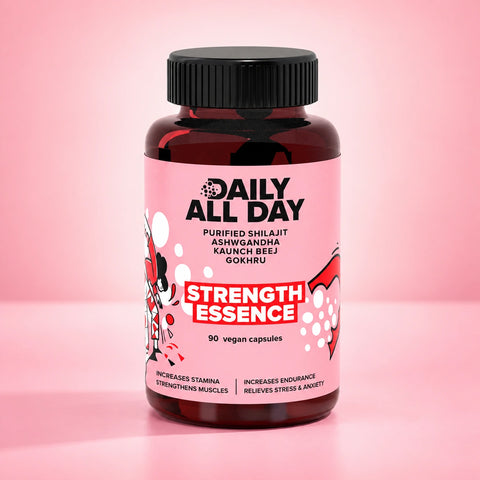
Nutritional supplements can help fill daily gaps—especially when foods are lacking in quality or variety. The Daily All Day Vita Blend is a carefully created blend, designed to boost energy, immunity and total wellness:
- 23 Vitamins and Minerals: Vitamin A, B-complex (B1, B2, B3, B5, B6, B7/Biotin, B9/Folic Acid, B12), C, D3, E, K2, iron, magnesium, zinc, calcium, and more—all in safe RDA doses.
- 23 Ayurvedic Herbs: Moringa, Ashwagandha, Panax Ginseng, Curcumin (Turmeric), Brahmi, Arjuna, Giloy, Green Tea extract, Spirulina, Sea Buckthorn, and more—supporting strength, gut health, stress relief, and anti-inflammation.
- Natural, Certified, Vegetarian: Free of toxins, GMO or animal sources; FSSAI, ISO, HACCP & GMP approved.
- For Weak/Undernourished Bodies: Provides energy, builds muscle, and supports weight gain for the undernourished.
- For Clearer Skin: Contains antioxidants and B vitamins to support healthier skin and acne prevention.
How to Use: Take 2 tablets daily after meals, consistently for 6-8 weeks for best results. Supplements work best alongside a balanced diet.
See detailed ingredient amounts and guide here.
Ouora QnA: What Real People Ask About Low Energy – Answered
-
Q: Why do I feel tired all the time, even when I work hard? (Source)
A: If you lack energy, review your meal diversity. Focus on adding protein, green veggies, fruits, and nuts. A supplement can help bridge gaps, but lasting energy comes with balanced eating and regular exercise. -
Q: Does India still face undernutrition today and why? (Source)
A: Yes—PEM (protein-energy malnutrition), vitamin, iron, and iodine deficiencies are common due to poor food quality, poverty, and lack of diversity. More education and change in food habits are needed. -
Q: Why does dieting make me feel low energy? (Source)
A: Strict diets often mean too few calories or missing key nutrients. Balanced eating is key. Over-restricting carbs or fats may cause fatigue. -
Q: Are physical workers and athletes better nourished? (Source)
A: Not always! Hard work increases need for protein and micronutrients, but many Indian diets don’t keep up, leading to fatigue and slow recovery. -
Q: Why is workplace burnout common in East India? (Source)
A: Nutritional deficiency—especially anemia—plus stress and lack of rest are main drivers. Proper diet planning, iron supplements, and daily vitamins help.
Frequently Asked Questions
-
1. What is Ashwagandha?
Ashwagandha is an adaptogenic herb that helps your body handle stress and boosts strength and immunity. -
2. How does Ashwagandha help with stress?
It naturally lowers cortisol (the stress hormone), calming your mind and body, and improving energy levels over time. -
3. Is Ashwagandha safe for everyone?
Mostly yes, but pregnant women or those with thyroid or serious chronic conditions should avoid it—always consult a doctor if unsure. -
4. Will a supplement cure nutritional deficiency?
Supplements help fill gaps but can’t replace a good diet. Combine them with a variety of whole foods for best results. -
5. How can I read a nutrition label to avoid low-quality foods?
Start by checking protein, key vitamins (like iron, B, D), fiber, and look for minimal added sugar and preservatives. Our blog on reading nutrition labels gives a step-by-step guide.
In Central India, where daily life is filled with physical work, many people—especially women and the economically challenged—still feel tired and weak due to a large nutrition gap. This gap is caused by low-quality protein, lack of micronutrients, and unbalanced diets that are often high in carbohydrates but low in vitamins and minerals. Deficiencies in critical nutrients such as iron, vitamin D, and folate directly impact energy, muscle health, and immune function ([1], [2], [3], [4]). Daily All Day’s Vita Blend addresses these gaps with a blend of over 40 vitamins, minerals, and herbal extracts—offering sustained energy, improved immunity, and holistic wellness. Bridging the nutrition gap involves strengthening diets with diverse, nutrient-rich foods and reliable supplements, prioritizing health education, and focusing on the specific needs of women and hardworking families in Central India. Working towards a well-fed, energetic population is within reach—with awareness, right choice of ingredients, and support, everyone can break free from the cycle of low energy and thrive every day.