Ceylon Cinnamon (Dalchini)
Share
Ceylon Cinnamon (Dalchini): A Natural Wonder for Flavor and Health
Imagine a spice that not only adds warmth and sweetness to your food but also supports your health and wellness. Ceylon cinnamon, known as "dalchini" in India, is just that—gently sweet, aromatic, and full of benefits. Known as "true cinnamon," Ceylon cinnamon comes from the inner bark of the Cinnamomum verum tree and is native to Sri Lanka. People across the world prize it for both kitchen creations and traditional remedies.
Table of Contents
- What is Ceylon Cinnamon?
- Ceylon Cinnamon vs Cassia Cinnamon
- Why Coumarin Matters
- Health Benefits of Ceylon Cinnamon
- Ingredients Deep Dive
- Culinary Uses of Ceylon Cinnamon
- Safety and Cautions
- Quora QnA
- Products with Ceylon Cinnamon
- Frequently Asked Questions
- Conclusion
What is Ceylon Cinnamon?
Ceylon cinnamon is the “true” cinnamon, used for centuries in Ayurveda and modern kitchens alike. Its light tan, papery quills are soft, easy to grind, and taste gently sweet with a hint of citrus.
- Ceylon cinnamon comes from Sri Lanka.
- It is also called “dalchini” in Hindi.
- It is rich in an aromatic oil called cinnamaldehyde responsible for both its flavor and health properties.
- It’s often found as a stick, crushed powder, or even as an extract in dietary supplements.
Ceylon Cinnamon vs Cassia Cinnamon
When people think of cinnamon, they may actually use cassia bark (from Cinnamomum cassia or Cinnamomum aromaticum). But these two are different in many ways:
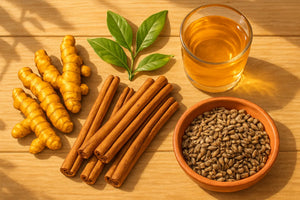
- Appearance: Ceylon cinnamon sticks are light, layered, and thin. Cassia sticks are thicker and darker.
- Flavor: Ceylon is mild and sweet; cassia is spicy and strong.
- Coumarin Levels: Ceylon has very low coumarin (safer). Cassia is high in coumarin (can harm the liver if overused).
- Availability: Cassia is cheaper and more common in stores. Ceylon is often a bit more expensive.
- Health: Experts recommend Ceylon cinnamon for frequent use because it’s lower in coumarin and safer for sensitive individuals. (Research shows we can accurately tell Ceylon from cassia by their compounds)[5].
Related Questions Explored on Google Trends:
- "What is Ceylon cinnamon?" – Answered above.
- "Cassia cinnamon vs Ceylon cinnamon?" – See differences above.
- "Coumarin in cinnamon?" – See below.
- "Ceylon cinnamon in India" – Now widely available in Indian health food stores and online.
Why Coumarin Matters
Coumarin is a natural compound that can cause liver and kidney problems if consumed in high amounts. Ceylon cinnamon contains much less coumarin than cassia, making it safer for long-term or daily use.
- Cassia cinnamon can have up to 5% coumarin.
- Ceylon cinnamon usually contains less than 0.04% coumarin.
- That’s why Ceylon is "better" for regular consumption, especially for those who wish to use cinnamon to help with blood sugar or cholesterol.[5]
Health Benefits of Ceylon Cinnamon
Ceylon cinnamon (dalchini) is more than just a tasty spice. It has been studied for wellness boost in many ways:
- Antioxidant Power: Protects cells from oxidative damage.[1]
- Blood Sugar Regulation: May lower fasting blood sugar naturally and support people with diabetes or metabolic syndrome. [4]
- Heart Health: Supports better cholesterol levels and less artery inflammation.[4]
- Liver Health: Helps with fatty liver and supports liver detox pathways.[4]
- Anti-Inflammatory: Reduces joint, digestive, and overall bodily inflammation.[1]
- Gut Microbiome: Modulates gut bacteria for digestive and metabolic wellness.[4]
- Immunity & Infection Fighting: Cinnamaldehyde fights bacteria and fungus, helping immune response and oral hygiene.[6]
- Anticancer Potential: Researchers observed anti-tumor effects via novel mechanisms—showing promise for future therapies.[3]
Ingredients Deep Dive
What makes Ceylon cinnamon such a powerhouse? Here are the controlled, active ingredients that matter most:
- Cinnamaldehyde: The main compound, brings aroma and flavor. Powerful anti-inflammatory and antimicrobial action.[2]
- Essential Oils: Linalool, eugenol, and others. These help with heart and immune support.[1]
- Low Coumarin: Safer for daily use (does not harm the liver as cassia might).
- Fiber: Small natural fiber content helps digestion.
- Flavonoids & Polyphenols: Plant compounds that fight free radicals and slow aging.
Research Highlights
- Essential oils from Ceylon cinnamon disrupt harmful bacterial biofilms and act as natural preservatives[1].
- Cinnamaldehyde reduces E. coli virulence and increases immune response[2].
- Shows potential to enhance anti-cancer therapies[3].
- Improves gut flora crucial for liver and metabolic health[4].
Culinary Uses of Ceylon Cinnamon
Thanks to its subtle, mild flavor, Ceylon cinnamon can be used in almost any recipe—sweet or savory. Great ideas to try:
- Sprinkle on oats, muesli, or yogurt for breakfast.
- Add to curries, dals, or biryanis for gentle warmth.
- Stir into chai (tea), coffee, or warm milk ("golden milk").
- Mix in desserts such as kheer, apple pie, or puddings.
Pro Tip: Use Ceylon cinnamon to enhance taste without adding sugar.
Safety and Cautions
When enjoyed in food amounts, Ceylon cinnamon is very safe. But large amounts (such as in supplements or very high daily doses) can be harmful for those with liver or kidney problems. Always:
- Choose Ceylon cinnamon for daily use.
- Ask a doctor if you have existing health issues, especially with the liver or kidneys.
- Pregnant or breastfeeding mothers should avoid high doses.
- Keep away from small children.
Quora QnA: What People Want to Know About Dalchini
-
What are the benefits of dalchini (cinnamon)?
• Anti-inflammatory, antioxidant, and antimicrobial effects.
• Supports digestion, helps manage diabetes and cholesterol, external oil use for certain men’s health cases. -
What are the benefits of Ceylon Cinnamon?
• Lower rates of liver damage compared to cassia.
• Chosen for safer regular use, not directly more effective for blood glucose. -
What is dalchini?
• Dalchini is cinnamon, the bark used as a spice in Indian cooking and desserts to add flavor and aroma. -
What is Ceylon cinnamon, and why is it beneficial?
• Ceylon is milder, causes less potential harm, and is a preferred choice in health management. -
What are the uses of dalchini?
• Flavor enhancer, digestive aid, benefit to diabetes & cholesterol, external use oils.
Products from Daily All Day Containing Ceylon Cinnamon
1. Daily All Day Gluco Wise (90 Capsules)
- Ceylon Cinnamon (Dalchini): Supports insulin function, metabolism, and helps balance fasting blood sugar naturally.
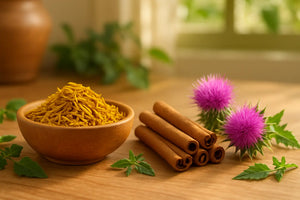
- Other Key Ingredients: Berberis Aristata (Daruhaldi) for healthy blood sugar and liver; Milk Thistle for liver detox and cholesterol balance.
-
Main Benefits:
- Helps manage high cholesterol and fatty liver.
- Supports diabetes management and blood sugar regulation.
- Rich in antioxidants and anti-inflammatory compounds.
- Holistic formula is 100% vegetarian and certified safe (FSSAI, ISO, HACCP, GMP).
- How to Use: Take 2 capsules twice daily after meals, one in the morning and once in the evening, for 6–8 weeks.
2. Daily All Day Slim Support (90 Capsules)
- Supports fat burning, metabolism, and appetite control with a blend that also includes garcinia, green coffee, and triphala.
- Boosts digestive and metabolic performance, perfect for weight management and healthy energy.
- 100% plant-based capsules.
Related Internal Blogs:
Frequently Asked Questions
-
What is Ceylon Cinnamon?
Ceylon cinnamon is the bark of the Cinnamomum verum tree, native to Sri Lanka. It is called “true cinnamon” and enjoyed for its sweet, delicate taste and health benefits. -
How is Ceylon cinnamon different from cassia cinnamon?
Ceylon sticks are thin, light, and soft. Cassia sticks are thick, dark, and harder. The main difference is coumarin content; Ceylon is much safer for daily use. -
Can Ceylon cinnamon help with diabetes?
Ceylon cinnamon may help regulate insulin and improve fasting blood sugar, but always use alongside medical advice—not as a substitute for prescribed medicine. -
Is Ceylon cinnamon safe for everyone?
Generally yes, in dietary amounts. People with liver/kidney illness or pregnant women should consult their doctor before using supplements or taking it daily in large doses. -
What foods can I put Ceylon cinnamon in?
You can add it to milk, chai, oats, fruits, desserts, curries, and more—anywhere a gently sweet, mild spice is welcome.
Conclusion
Conclusion
Ceylon cinnamon (dalchini) is much more than an everyday kitchen spice. Unlike cassia bark, true Ceylon cinnamon has a gentle flavor, low coumarin content, and numerous health benefits—from fighting inflammation to supporting healthy blood sugar and cholesterol levels. The active compound, cinnamaldehyde, is responsible for many of these effects, as shown in recent research on antibiofilm, gut health, and even immune support [1][2][3].
Adding Ceylon cinnamon to your diet—whether sprinkled in food or as part of a holistic supplement such as Daily All Day Gluco Wise—can help manage diabetes, cholesterol, and metabolism in a natural, safe way. Remember, choose Ceylon cinnamon for its safety profile. Combined with mindful eating and an active lifestyle, true cinnamon supports lifelong wellness and flavorful, healthy cooking.
If you're interested in other ingredients that aid blood sugar balance, cholesterol, or gut health, check out our detailed blogs on Berberis Aristata, Triphala, and Apple Cider Vinegar.
Before using supplements, especially if you have pre-existing health conditions, consult your healthcare professional.
See references for more on the science behind Ceylon cinnamon: [1] [2] [3] [4] [5] [6].