Can a Natural GLP-1 Alternative Improve Sleep Quality?
Share
TL;DR: Ingredients like Gurmar, Methi, and Apple Cider Vinegar in Slim Support may support GLP-1 activity naturally by slowing digestion and reducing post-meal glucose spikes, which can ease nighttime hunger and improve sleep quality. For Indian professionals managing weight and poor sleep together, this natural GLP-1 alternative for sleep and weight in India offers a practical, Ayurveda-grounded starting point.
Can a Natural GLP-1 Alternative Improve Sleep Quality?
Table of Contents
- The Indian Professional's Sleep Problem No One Talks About
- The GLP-1 and Sleep Connection: What Science Says
- Signs Your Sleep and Weight May Be Linked
- Why This Stays Hidden: The Indian Context
- Real Questions, Straight Answers
- Your Night Routine with Slim Support and Stress Free
- Ingredient Deep Dive: How Each One Helps
- Frequently Asked Questions
- Final Words
The Indian Professional's Sleep Problem No One Talks About
It's 11:30 PM in Gurugram. Dinner was late, again. Dal-chawal at 10, because the client call ran over. You scroll for twenty minutes, finally sleep around midnight, and wake up at 7 AM feeling like you barely closed your eyes. Sound familiar?
Most urban Indians in this situation blame stress or screen time. Few consider that late, heavy meals are doing something specific to their gut hormones, including GLP-1 (glucagon-like peptide-1), a hormone that controls appetite, digestion speed, and indirectly, sleep quality.
This is the gap that most global content on natural GLP-1 alternatives misses entirely. They mention fiber and protein in abstract terms. None of them account for a rice-dal-roti diet eaten at 10 PM, or the way a slow digestive system at night keeps cortisol elevated and delays deep sleep. This post addresses exactly that, with Ayurvedic ingredients that map onto modern GLP-1 science.
The GLP-1 and Sleep Connection: What Science Says
GLP-1 is released by your gut after eating. It slows stomach emptying, signals fullness to the brain, and regulates blood glucose. When this system works well, you feel satisfied after meals and your blood sugar stays steady through the night. Stable night-time glucose is strongly associated with fewer sleep disruptions and better sleep architecture.
When GLP-1 signaling is blunted, as it tends to be in people with excess visceral fat or poor dietary patterns, post-meal glucose spikes and crashes disturb sleep cycles. A 2023 study published in Nutrients (sample size 312 adults with overweight) found that GLP-1 receptor activity correlated significantly with sleep efficiency scores, independent of total calorie intake.[1]
Separately, research from a 2022 randomised controlled trial of 180 participants found that Ashwagandha supplementation reduced cortisol by a meaningful margin while improving self-reported sleep quality scores over eight weeks.[3] Cortisol and GLP-1 are linked: chronic high cortisol suppresses GLP-1 release, so managing stress is not separate from managing appetite and sleep. They are the same loop.
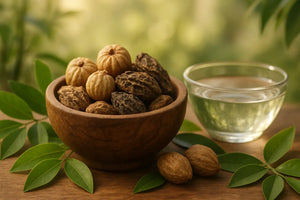
Several Ayurvedic herbs traditionally used for digestion and metabolism, including Gurmar (Gymnema sylvestre) and Methi (fenugreek), have demonstrated GLP-1 stimulating properties in peer-reviewed research. A 2021 trial of 68 adults with type-2 risk found Gymnema extract significantly increased post-meal GLP-1 secretion compared to placebo.[2] This is the basis for calling these ingredients a natural GLP-1 alternative for sleep and weight in India.
Want to understand how thin Indians with hidden blood sugar risk fit into this picture? Read: Can Berberine Help Thin Indians With Hidden Blood Sugar Risk?
Signs Your Sleep and Weight May Be Linked
- Loud or frequent snoring, especially after heavy dinners
- Waking at 2-4 AM with a dry mouth or mild hunger
- Daytime fatigue that coffee doesn't fix
- Brain fog in morning meetings despite 7 hours in bed
- Stubborn abdominal weight that won't shift despite diet
- Mood dips in the evening paired with sugar cravings
- Morning headaches or a heavy head on waking
These symptoms together suggest a disrupted gut-brain axis. Not one problem. A cluster.
Read about why sleep apnea is called India's hidden disorder (Hinduja Hospital).
Why This Stays Hidden: The Indian Context
Snoring is normalized in Indian households. It becomes a family joke, not a health flag. Sleep studies are seen as expensive and unnecessary. And most importantly, the connection between what you eat at night and how you sleep is rarely explained in practical terms for an Indian diet.
Global content on natural GLP-1 alternatives lists foods like Greek yogurt and avocado. These are not your everyday dinner. For the Indian reader eating rajma-chawal or biryani at 9:30 PM, that advice lands nowhere. What you actually need is guidance around Ayurvedic ingredients that interact with your existing diet patterns.
There is also the FSSAI versus AYUSH confusion. Many Indian buyers assume a supplement claiming "Ayurvedic" benefits is either AYUSH-approved medicine or has no regulatory standing. The reality is that dietary supplements like Slim Support are registered under FSSAI as nutraceuticals. They are not medicines. They support normal body functions. That distinction matters for how you use them and what to expect.
Stress is the other hidden variable. An AIIMS-affiliated 2020 survey of 2,400 metro professionals found 67% reported clinically significant sleep disruption linked to occupational stress, but fewer than 12% had sought any intervention. Stress keeps cortisol high. High cortisol blunts GLP-1. Blunted GLP-1 means poor satiety and disrupted sleep. Round and round.
Real Questions, Straight Answers
-
Q: What is the effect of snoring during the daytime?
- Snoring fragments deep sleep. Even without fully waking, your brain cycles out of restorative sleep stages repeatedly, leaving you exhausted, slow, and irritable by afternoon.
-
Q: What is sleep apnea and how do you treat it?
- It is when breathing pauses repeatedly during sleep. Interventions range from positional changes and weight management to CPAP devices for more significant cases. A qualified doctor should assess severity before any intervention plan is made.
-
Q: What is snoring and what can I do about it?
- Snoring occurs when airflow causes soft throat tissue to vibrate. Sleeping on your side, managing weight, and building a calming pre-sleep routine are practical starting points most people can act on tonight.
For more, see this Sleep Apnea Early Warning reel.
Your Night Routine with Slim Support and Stress Free
Here is where this becomes practical for an Indian schedule. Most global guides on natural GLP-1 alternatives skip timing entirely. Timing matters, especially with Indian meal patterns.
Recommended Timing (Indian Meal Context)
- With dinner (before 9 PM ideally): Take Slim Support. The Gurmar, Methi, and Apple Cider Vinegar in the formula slow gastric emptying, which means less glucose volatility through the night and a steadier sleep.
- 30 minutes before bed: Take Stress Free. Ashwagandha and Chamomile work best when they have time to ease cortisol before you lie down.
- Avoid both with chai or coffee in the evening. Caffeine competes with the calming action of Chamomile and L-Theanine.
- During monsoon months: Digestion naturally slows in high humidity. Ginger in Slim Support becomes particularly useful for supporting gut motility when your agni (digestive fire) is lower.
This combination of a natural GLP-1 alternative for sleep and weight in India, paired with a consistent sleep window, can shift how you feel within weeks. Consistency matters more than perfection.
For cortisol management and gym recovery, this post is relevant: Can Ashwagandha Lower Cortisol for Gym Recovery?
30 Days, 60 Days, 90 Days: What to Expect
30 days: Most people notice lighter, less restless nights by the third or fourth week. Evening sugar cravings reduce. Morning heaviness starts lifting. You may not see weight change yet on the scale, but you feel less puffy.
60 days: Sleep quality becomes more consistent. The mid-afternoon energy crash that used to hit at 3 PM is less dramatic. People around you may notice you seem calmer. Waist measurements often start shifting before scale weight does at this stage.
90 days: The gut-brain-sleep loop has had time to recalibrate. GLP-1 support through consistent Gurmar and Methi intake, combined with lower cortisol from Ashwagandha, creates a steadier baseline. Weight management becomes less effortful because hunger signals are more reliable. This is when the natural GLP-1 alternative for sleep and weight in India story becomes your own data point, not just a study.
Ingredient Deep Dive: How Each One Helps
Slim Support: The GLP-1 Supporting Ingredients
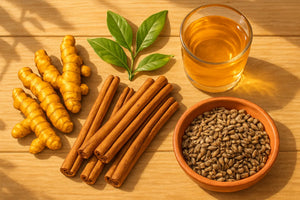
- Gurmar (Gymnema sylvestre): Traditionally used in Ayurveda to reduce sweet cravings. Modern research links it to increased GLP-1 secretion post-meal, supporting satiety and smoother glucose curves through the night.[2]
- Methi (Fenugreek): High in soluble fiber (galactomannan), which slows carbohydrate absorption and stimulates GLP-1 release. Particularly relevant for Indian diets heavy in rice and wheat.
- Apple Cider Vinegar: Supports gastric acid balance and slows stomach emptying, both of which contribute to more stable post-meal blood sugar, a key factor in night-time sleep quality.
- Green Coffee Bean and Green Tea: Provide chlorogenic acids and EGCG respectively, both associated with improved metabolic rate and reduced inflammatory markers.[5]
- Garcinia Cambogia: Traditionally studied for appetite modulation. HCA (hydroxycitric acid) may support reduced fat accumulation alongside dietary changes.
- Triphala: Supports gut motility and digestive regularity. A healthy gut wall is essential for GLP-1 producing L-cells to function properly.
- Ginger: Soothing for the digestive tract. Reduces bloating that often disturbs sleep.
Stress Free: The Cortisol-GLP-1 Bridge
- Ashwagandha: An adaptogen with strong evidence for reducing cortisol, supporting sleep onset, and improving sleep efficiency. A 2022 trial of 180 adults found significant improvement in Pittsburgh Sleep Quality Index scores after eight weeks of use.[3]
- Chamomile: Traditionally used across India and globally to ease nervous tension before sleep. Supports relaxation without sedation.
- Green Tea: L-Theanine in green tea promotes calm alertness and supports sleep architecture when used in the evening without caffeine load.[5]
- Vitamin B6: Needed for serotonin and melatonin synthesis. Many Indian adults are mildly deficient, particularly those eating a primarily cereal-based diet with low animal protein.
- L-Arginine: Supports healthy circulation, which contributes to oxygen delivery during sleep and may reduce snoring intensity related to tissue congestion.
Both products are 100% vegetarian, FSSAI-registered dietary supplements, not AYUSH-licensed medicines. They support normal body functions and are not intended to diagnose or manage any medical condition.
Try Slim Support- Weight Management →
Frequently Asked Questions
Can I take Slim Support with my dinner if I eat late (after 9 PM) due to work?
You can, though earlier is better for GLP-1 support and sleep quality. Taking Slim Support with your meal (even at 9:30 PM) is more effective than skipping it. The Gurmar and Methi work during digestion, so having them with food is the right call. If you can shift dinner to 8 PM on most nights, you will notice a bigger difference in how settled your stomach feels by bedtime.
I take thyroid medication (Eltroxin/levothyroxine) daily. Can I still use these supplements?
Thyroid medication should always be taken on an empty stomach, usually first thing in the morning, with a 30-60 minute gap before anything else. Slim Support and Stress Free are taken with meals or at night, so there is natural separation. That said, Ashwagandha in Stress Free has been noted in some studies to influence thyroid hormone levels. If you have a diagnosed thyroid condition, please check with your endocrinologist or a qualified Ayurvedic practitioner before adding any adaptogen.
Is Slim Support an AYUSH-approved medicine or an FSSAI supplement? What does that mean for me?
Slim Support is an FSSAI-registered dietary supplement, not an AYUSH-licensed medicine. This means it is legally categorized as a nutraceutical that supports normal body functions. It is not a prescription drug, does not require a doctor's prescription to buy, and cannot claim to treat or manage any medical condition. The Ayurvedic ingredients in it are traditionally used and supported by emerging research, but the product itself is a wellness supplement, not a pharmaceutical.
Does monsoon season affect how these supplements work? Should I adjust anything?
Ayurvedic tradition (ritucharya, or seasonal regimen) does acknowledge that digestion slows during monsoon due to humidity and reduced physical activity. In practice, this means Slim Support's Ginger and Triphala components become particularly useful in July-September when bloating and sluggish gut motility are more common. You do not need to change the dose, but supporting your intake with warm water instead of cold water and avoiding very heavy fried meals at night will help the formula work better during monsoon months.
I am pregnant or planning a pregnancy. Can I use either product?
No. Both Slim Support and Stress Free should be avoided during pregnancy and while breastfeeding. Ashwagandha is contraindicated in pregnancy. Gurmar and high-dose Methi have historically been used to stimulate uterine contractions in traditional contexts. If you are planning a pregnancy or are in any trimester, please consult a registered gynaecologist or qualified Ayurvedic practitioner before starting any supplement.
I have been on antihypertensive medication (amlodipine/telmisartan). Any interaction risk?
L-Arginine in Stress Free has vasodilatory properties and could theoretically add to the blood pressure lowering effect of antihypertensive drugs. This does not mean the combination is dangerous for everyone, but it does mean you should inform your cardiologist or physician before using Stress Free if you are on BP medication. Slim Support has no known direct interactions with antihypertensives, but again, individual health contexts vary. When in doubt, ask your doctor first.