Can Berberine Help Blood Sugar and Belly Fat in India?
Share
In brief: Berberine, derived from Berberis aristata (Daruhaldi), activates AMPK pathways to support healthy blood sugar levels and may contribute to weight management by improving insulin sensitivity. Gluco Wise- Blood Sugar Support combines berberine with Ceylon cinnamon and milk thistle, making it a practical FSSAI-compliant option for berberine for blood sugar and weight management India.
Can Berberine Help Blood Sugar and Belly Fat in India?
Table of Contents
- The Daily Story: Chai, Namkeen, and the Expanding Waistline
- Why Does Evening Snacking Spike Blood Sugar for Indian Bodies?
- Gentle Reset: Simple Steps for Indian Families
- Ingredients Deep Dive: Gluco Wise and Berberine
- Quora QnA: Best Indian Diet for Weight Loss
- Frequently Asked Questions
The Daily Story: Chai, Namkeen, and the Expanding Waistline
It is 5 PM. The office AC has been running all day, your back aches from the chair, and someone from the team has ordered chai and sev. You take one cup, then another. A handful of bhujia follows. This is not a special occasion. This is Tuesday.
For millions of Indian adults in metros and tier-2 cities alike, this pattern is so normal it goes unnoticed. But over months, the evening chai-and-namkeen ritual quietly reshapes your waistline and your fasting sugar numbers. If you have been searching for answers around berberine for blood sugar and weight management India, you are asking exactly the right question. Not because berberine is a shortcut, but because the science behind it maps surprisingly well onto Indian metabolic patterns.
Here is what the top articles ranking on this topic all miss: how berberine actually interacts with the Indian diet (rice, dal, ghee, dahi), when to take it around Indian meal timings, and which Indian-population data exists. That is what this post covers.
Try Gluco Wise- Blood Sugar Support →Why Does Evening Snacking Spike Blood Sugar for Indian Bodies?
Indian diets are predominantly carbohydrate-heavy. Rice, roti, dal, and poha form the core of most meals. That is not inherently a problem. The issue is the timing and combination: a high-glycaemic snack in the evening, after a sedentary workday, when insulin sensitivity is naturally lower.
A 2019 study published in Diabetes Care (N=2,013 participants across South Asian populations) noted that postprandial glucose spikes in South Asians tend to be sharper compared to age-matched European cohorts, even at similar carbohydrate loads. [1] This matters because berberine's primary mechanism targets exactly this: it activates AMPK (adenosine monophosphate-activated protein kinase), the same cellular pathway that exercise activates, helping cells absorb glucose more efficiently rather than leaving it circulating in the blood.
Evening is also when most Indian families eat their largest or second-largest meal. Late metro dinners at 9 or 10 PM, followed by minimal movement, mean glucose has nowhere useful to go. The result, over time, is visceral fat accumulation around the abdomen.
Berberine, particularly when sourced from Berberis aristata (Daruhaldi), has been traditionally used in Ayurvedic practice for liver and metabolic support. Modern research now offers a mechanistic explanation for what Ayurvedic practitioners observed centuries ago. A 2023 meta-analysis of 46 randomised controlled trials (total N=4,430) published in Phytomedicine found that berberine supplementation was associated with statistically significant reductions in fasting blood glucose and waist circumference compared to placebo. [2] Context matters here: these were adults with metabolic risk factors, not healthy individuals, and results varied by dose and duration.
- High-carb evening meals: Rice or roti at 9 PM with minimal fibre buffer causes rapid glucose entry into blood.
- Sedentary afternoons: Long commutes and desk work reduce GLUT4 (glucose transporter) activity in muscles.
- Festival cycles: Diwali mithai, Holi thandai, Eid seviyan — occasional indulgence is fine, but consecutive high-sugar days compound the load.
- Chronic stress: Cortisol from work pressure raises fasting glucose, independent of diet.
Gentle Reset: How to Take Gluco Wise With Indian Meals
This is the section most berberine for blood sugar and weight management India articles skip entirely. Dosage timing relative to Indian meal patterns is genuinely different from Western eating schedules.
Timing Gluco Wise Around Indian Meal Rhythms
Berberine works best when taken 20 to 30 minutes before your two main carbohydrate-heavy meals. For most Indian adults, that means before lunch (dal-rice or roti-sabzi) and before dinner. Taking it before the evening meal is particularly relevant if dinner is late, large, or both.
- Before lunch (12–1 PM): Your largest carbohydrate load of the day. This is the ideal window.
- Before dinner (7–9 PM): Especially useful if dinner runs late or includes rice and a cooked vegetable with ghee.
- With or without ghee/dahi? Ghee actually slows gastric emptying slightly, which can reduce the glycaemic spike from the same meal. Taking Gluco Wise before a ghee-inclusive meal is fine and may even be complementary.
- Avoid taking on an empty stomach if you have a sensitive gut, as berberine can occasionally cause mild nausea initially.
Simple Diet Shifts That Multiply the Effect
- Switch to unsweetened or lightly sweetened chai. Even halving the sugar matters.
- Choose roasted chana, makhana, or a small bowl of dahi over fried namkeen for the 4 PM snack.
- Add a small salad or raita before your main meal to buffer the glucose rise.
- Eat most calories before 7 PM when possible.
For Indian readers who are thin but metabolically at risk, berberine's benefits may be especially relevant. See our post on whether berberine can help thin Indians with hidden blood sugar risk.
30 / 60 / 90 Day: What to Realistically Expect
Berberine is not a quick fix. Most studies showing significant outcomes ran for 12 weeks or longer. Here is a grounded, honest timeline:
- 30 days: Most users report reduced post-meal energy crashes and slightly less evening hunger. Fasting glucose may begin to shift, but changes at this stage are subtle. Digestive adjustment (mild bloating in the first 1–2 weeks) is normal and usually resolves.
- 60 days: Waist measurements and fasting sugar readings often show more visible movement by this point, particularly when combined with diet adjustments. Energy through the afternoon tends to stabilise. [3]
- 90 days: This is where the clinical trials show their most consistent results. Lipid markers (LDL, triglycerides) may also improve alongside blood sugar metrics. [4] Weight changes at 90 days in studies typically range from 1.5 to 3 kg, which is modest but meaningful for metabolic risk reduction.
Consistency matters more than dosage perfection. Missing one day does not reset progress. Missing two weeks does.
Ingredients Deep Dive: What Is Inside Gluco Wise
Berberis Aristata (Daruhaldi) 500mg per capsule
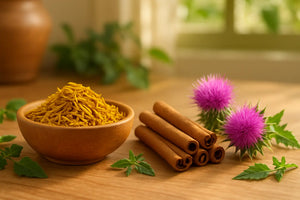
This is the primary active ingredient and the reason berberine for blood sugar and weight management India conversations keep pointing back to this plant. Daruhaldi has been documented in classical Ayurvedic texts including the Charaka Samhita for liver and digestive support. The berberine alkaloid it contains activates AMPK, improves insulin receptor sensitivity, and may reduce hepatic glucose production. [5]
Ceylon Cinnamon Extract 250mg per capsule
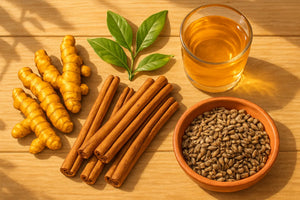
Not the cassia cinnamon (desi dalchini) you buy at the kirana store. Ceylon cinnamon is lower in coumarin, making it safer for regular use, and has a different polyphenol profile that supports insulin signalling. The distinction matters for long-term supplementation.
Milk Thistle 50mg per capsule
Supports liver function, which is directly relevant for anyone with fatty liver (a growing concern among urban Indians eating late, high-fat dinners). A functioning liver is central to glucose metabolism.
FSSAI vs AYUSH: What Indian Buyers Need to Know
Gluco Wise is an FSSAI-registered dietary supplement, not a licensed AYUSH medicine. This distinction confuses many Indian buyers. FSSAI supplements are held to food-safety and labelling standards. They are not drugs and do not require a prescription. Claims are framed as support for normal body functions, not treatment of disease. If you are on metformin, glipizide, or any prescribed anti-diabetic medication, consult your doctor before adding any supplement, including berberine, as effects on blood glucose can be additive.
Quora QnA: What Is the Best Indian Diet for Weight Loss?
Quora threads on the best Indian diet for weight loss consistently surface a few practical consensus points from Indian users:
- Prioritise dal, sabzi, and whole grains over maida-based foods.
- Include dahi daily for gut bacteria support.
- Limit fruit juices; eat whole fruit instead (lower glycaemic impact).
- Do not skip breakfast, even during work-from-home days when mornings blur into afternoons.
- Supplements fit best as a support layer on top of diet changes, not as a replacement for them.
If thyroid health is also a concern alongside blood sugar, our post on whether berberine can support thyroid and blood sugar in women covers the interaction in more detail.
Frequently Asked Questions
Should I take Gluco Wise before or after rice-based meals specifically?
Before is better. Take Gluco Wise 20 to 30 minutes before meals that include rice, roti, or other high-carbohydrate foods. This gives berberine time to begin modulating glucose absorption pathways before the carbohydrate load arrives. If you forget and take it after the meal, it is not wasted, but the timing benefit is reduced.
I am on blood pressure medication (amlodipine or telmisartan). Can I still take this?
Berberine can mildly influence blood pressure in some individuals, and there is a theoretical interaction with certain BP medications. If you are on prescribed antihypertensives, please discuss with your cardiologist or GP before starting Gluco Wise. This is standard advice for any supplement when you are already on cardiac medications, not a specific risk unique to berberine.
Is Gluco Wise an AYUSH medicine or an FSSAI supplement? Does it matter?
Gluco Wise is an FSSAI-registered dietary supplement, not a licensed AYUSH medicine. AYUSH-licensed medicines are classified as drugs and must meet stricter regulatory requirements under the Drugs and Cosmetics Act. FSSAI supplements are food-category products, regulated for safety and labelling but not for therapeutic claims. This means Gluco Wise supports normal metabolic function; it does not treat or diagnose diabetes. If you need pharmacological management of diabetes, that requires a qualified doctor and prescription medication.
Does monsoon season change how berberine works in the body?
Ayurvedic seasonal frameworks (ritucharya) suggest that Varsha ritu (monsoon) is associated with weaker digestive fire (agni) and higher vata-pitta imbalance. Practically, this can mean slower digestion and a tendency toward bloating. Berberine has mild antimicrobial properties in the gut that some users find helpful during monsoon months when waterborne gut disruptions are more common. Starting with a lower dose in the first week of monsoon can help if your digestion is already sluggish. As always, stay hydrated and pair with warm, easy-to-digest meals.
Who should not take Gluco Wise or berberine supplements?
Berberine is not recommended during pregnancy or breastfeeding. It crosses the placental barrier, and safety data in pregnant women is insufficient. If you are pregnant, nursing, or planning to conceive, consult a registered gynaecologist or qualified Ayurvedic practitioner before considering any supplement. Additionally, people who have had recent surgery (as berberine may affect blood sugar during recovery), individuals on immunosuppressants, or those with known liver conditions should get medical clearance first.
Can I take Gluco Wise with dahi or ghee in my meals without reducing its effectiveness?
Yes. Neither dahi nor ghee significantly interfere with berberine absorption. Ghee actually slows gastric emptying, which can modestly reduce the glycaemic spike of the same meal — a complementary effect. Dahi provides probiotic bacteria that support gut health, which in turn supports overall metabolic signalling. Taking Gluco Wise before a traditional Indian meal that includes ghee and dahi is perfectly fine and may be synergistic.
Relevant Scientific Citations
- Medicinal Plants in Diabetes and Weight Control[1]
- Plant-Based Compounds for Metabolic Health[2]
- Berberine: Metabolic Targets and Evidence[3]
- Lipid and Glucose Outcomes with Berberine[4]
- Berberine and Complementary Compounds: Clinical Evidence[5]
The science around berberine for blood sugar and weight management India is more grounded than the hype suggests, and more relevant to Indian metabolic patterns than most English-language articles acknowledge. You do not need to overhaul your diet overnight. Start with the timing tweak: take Gluco Wise before your two main meals, reduce the sugar in your evening chai by half, and give it 90 days of honest consistency. That is a reasonable experiment with real data behind it.
If you are on diabetes medication, get your doctor on board. If you are pregnant or nursing, skip berberine entirely and consult a qualified practitioner. For everyone else who is simply dealing with creeping waistlines, post-lunch slumps, and fasting sugar numbers that are nudging upward, this is a practical, FSSAI-compliant starting point.