Can Berberine Support Blood Sugar in Indian Executives?
Share
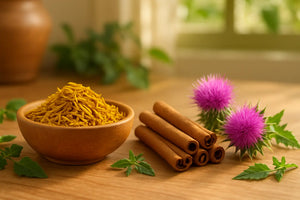
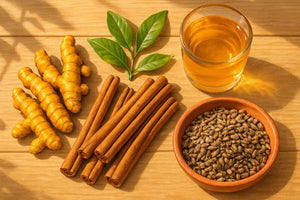
Short answer: Berberine, sourced from Berberis aristata (Daruhaldi), works by activating the AMPK enzyme to help maintain healthy blood sugar levels and support insulin sensitivity. Gluco Wise- Blood Sugar Support combines berberine with Ceylon cinnamon and milk thistle, making it a practical metabolic health supplement India urban professionals can fit into a daily routine.
Can Berberine Support Blood Sugar in Indian Executives?
Table of Contents
- The Silent Struggle: Indian Executives and Metabolic Health
- Why Are Hypertension, Belly Fat, and Fatty Liver So Common?
- A Practical Approach to Metabolic Wellness
- Ingredient Deep Dive: Gluco Wise- Blood Sugar Support
- Building Your Daily Metabolic Routine
- Real Questions Indian Executives Are Asking
- Frequently Asked Questions
The Silent Struggle: Indian Executives and Metabolic Health
It's 9:30 PM. Dinner is a rushed biryani at your desk, the third back-to-back call just ended, and you haven't moved from your chair since that 11 AM chai. Sound familiar? For lakhs of urban professionals in Mumbai, Bengaluru, Delhi, and Hyderabad, this isn't an off day. It's Tuesday.
Berberine blood sugar support for Indian executives has become a genuine wellness conversation, not just a supplement trend, because the metabolic numbers tell a sobering story. A 2021 ICMR report on non-communicable diseases estimated that nearly 77 million Indians were living with type 2 diabetes, with urban adults showing disproportionately high rates compared to rural counterparts. Sedentary office hours, late dinners heavy on refined carbs, and chronic deadline stress create a metabolic environment where blood sugar quietly climbs, belly fat accumulates around the abdomen, and the liver begins storing fat it cannot process fast enough.
What makes this particularly tricky is that none of these changes cause obvious symptoms early on. You feel tired, maybe a little heavier after Diwali, possibly bloated through monsoon season when activity drops. By the time an annual health check reveals elevated fasting glucose or mildly raised liver enzymes, the pattern has often been building for years.[1]
Why Are Hypertension, Belly Fat, and Fatty Liver So Common?
Three conditions tend to travel together in the Indian executive profile. Each one makes the others worse.
- Elevated blood sugar and insulin resistance: Long gaps between meals (skipping breakfast is extremely common in metro commuters), followed by large carbohydrate loads at night, spike insulin repeatedly. Over time, cells become less responsive. Fasting glucose creeps up. [2]
- Abdominal obesity: Indian bodies tend to accumulate visceral fat at lower BMI levels compared to Western populations. A 2019 study of 1,200 urban South Asian adults found that metabolic risk markers appeared at waist circumferences well below WHO thresholds used for Caucasian adults. Desk work, stress eating during project crunches, and festival overeating cycles all feed this pattern.
- Mild fatty liver (NAFLD): Present in an estimated 30-40% of urban Indian adults, non-alcoholic fatty liver disease often produces no pain or obvious warning signs in its early stages. Processed snacks, high-fructose foods, and alcohol at corporate events all contribute to fat build-up in liver cells. [1]
- High blood pressure: Research shows hypertension is present in up to 40% of people with NAFLD, raising cardiovascular risk significantly when combined with the other two conditions.
The frustrating part? These conditions reinforce each other. Insulin resistance worsens fatty liver. Belly fat raises blood pressure. High blood pressure stresses the liver. Breaking this cycle requires addressing the root metabolic environment, not just one marker in isolation.
Here is what the top search results on berberine mostly skip: how these patterns interact specifically with Indian dietary staples like white rice, roti, dal, and dahi, and what that means for supplement timing. More on that below.
A Practical Approach to Metabolic Wellness
No supplement works in a vacuum. That said, the right plant-based support, taken consistently alongside sensible daily habits, can meaningfully contribute to metabolic balance. The three-part approach most Indian metabolic health practitioners recommend:
- Early screening: Annual checks for fasting blood glucose, HbA1c, liver enzymes (SGOT, SGPT), lipid panel, and blood pressure catch issues before they compound. Don't wait for symptoms.
- Lifestyle anchors: Even 25 minutes of brisk walking daily, reducing refined carbohydrates at dinner, and a consistent sleep schedule of 7+ hours do more than any supplement alone.
- Targeted supplement support: This is where berberine blood sugar support for Indian executives becomes genuinely useful, particularly when dietary change alone is slow or lifestyle constraints are real.
One gap almost every comparison article ignores: how berberine interacts with common Indian foods. White rice, the staple across Tamil Nadu, Bengal, and Andhra Pradesh, has a high glycaemic index. Dal-roti combinations are moderate. Ghee, when added, actually slows glucose absorption slightly. Dahi (curd) consumed with meals supports gut bacteria that influence insulin sensitivity. Taking berberine alongside or just before these meals, rather than on an empty stomach, appears to produce better-tolerated results for most people.
You can also read about whether berberine helps thin Indians with hidden blood sugar risk, a question many urban professionals who don't look obviously overweight are starting to ask.
Ingredient Deep Dive: Gluco Wise- Blood Sugar Support
Gluco Wise- Blood Sugar Support combines three evidence-referenced ingredients in formulation designed for daily use under FSSAI guidelines as a dietary supplement, not an AYUSH-licensed medicine.
Important distinction: Gluco Wise is registered as an FSSAI food supplement. This means it is regulated for safety and labelling as a nutraceutical, not as an Ayurvedic medicine requiring an AYUSH manufacturing licence. Some buyers find this confusing. FSSAI-regulated supplements can legally reference traditional Ayurvedic ingredients and cite supporting research, but cannot make disease treatment claims.
Berberis Aristata (Daruhaldi) — 500mg
Known in Ayurveda as Daruhaldi, Berberis aristata has been used traditionally for supporting liver function and metabolic balance. Modern research suggests berberine, its primary active compound, activates the AMPK pathway, sometimes called the body's metabolic master switch, which helps cells use glucose more efficiently. A 2008 study by Yin et al. (n=116 patients with type 2 diabetes) found berberine supported healthy blood glucose and lipid markers comparably to standard reference compounds over 3 months. [2] More recent 2024 research continues to explore its role in insulin signalling pathways. [4]
Ceylon Cinnamon Extract — 250mg
Ceylon cinnamon (as opposed to the more common Cassia variety sold in most Indian spice shops) supports insulin receptor activity and may contribute to steadier post-meal glucose responses. It pairs well with berberine mechanically — one working on cellular uptake, the other on receptor sensitivity.
Milk Thistle (90% Silymarin) , 50mg
Silymarin, milk thistle's active component, is well-studied for supporting liver cell regeneration and reducing oxidative stress in liver tissue. For Indian executives with mildly elevated liver enzymes from dietary patterns and alcohol exposure, this is a useful daily inclusion. [3]
Together, these three ingredients address the overlapping metabolic concerns most common in the Indian executive profile: blood sugar fluctuation, liver stress, and lipid imbalance.
For women managing both thyroid concerns and blood sugar, there is useful context in this post on whether berberine can support thyroid and blood sugar together.
Building Your Daily Metabolic Routine
How you take Gluco Wise- Blood Sugar Support relative to Indian meal timings matters more than most guides acknowledge. Here is a practical daily structure:
- Morning (with or just before breakfast): Take your Gluco Wise capsule with a glass of water alongside or just before your morning meal. If your breakfast is a light idli-sambar or poha, this timing helps blunt the moderate carbohydrate rise. If you skip breakfast entirely (common for metro commuters), take it with your first substantial meal of the day instead.
- Lunch timing: If your prescription is twice daily, take the second capsule before or with lunch. This is the meal most Indian executives eat without much thought , a thali, a biryani from a delivery app, or a canteen meal heavy on rice or roti. Berberine's AMPK activation is most useful when carbohydrate load is present.
- Late dinners: This is the high-risk meal for most Indian executives. Eating a full carbohydrate-heavy dinner at 9:30 PM or later, then going to sleep, creates a prolonged period of elevated blood glucose with no physical activity to assist clearance. If dinner is your last substantial meal, taking your supplement with it (not hours before) is more aligned with the mechanism.
- Movement: A 20-minute post-dinner walk, even around the housing society, meaningfully assists glucose clearance. Non-negotiable if late dinners are your reality.
- Festival and travel periods: During Diwali mithai weeks, Eid feasting, or extended family gatherings in winter, consistency with your supplement becomes more important, not less. Don't pause it precisely when dietary load increases.
Always consult a registered doctor or qualified Ayurvedic practitioner before starting if you are on medication for blood pressure, thyroid, or blood sugar, or if you are pregnant or nursing.
30 / 60 / 90 Day Timeline: What to Expect
30 days: Most people notice improved energy levels after meals, less of the post-lunch energy crash common in office environments. Bloating may reduce. Blood sugar readings, if you are monitoring them, may begin to show modestly steadier patterns. Don't expect dramatic changes yet. Consistency matters more than dose.
60 days: This is typically when fasting glucose readings and post-meal glucose responses become noticeably more stable for people who were experiencing moderate fluctuations. Some users report reduced sugar cravings in the late afternoon, that 4 PM biscuit-and-chai habit that feeds the evening glucose spike. Liver enzyme markers, if mildly elevated, may begin tracking back toward normal range.
90 days: With consistent use alongside dietary improvements and regular movement, the 90-day mark is when metabolic health markers tend to show measurable shifts worth discussing with your doctor. HbA1c, which reflects a three-month blood sugar average, becomes a meaningful data point at this stage. This is also the point to reassess and decide whether to continue, adjust, or combine with other interventions.
Results vary. Supplements support metabolic function. They do not replace medical treatment for diagnosed conditions.
Try Gluco Wise- Blood Sugar Support →
Real Questions Indian Executives Are Asking
Q: My fasting sugar is borderline at 105-110 mg/dL. Is berberine relevant for me, or only for people with diagnosed diabetes?
Borderline fasting glucose, often called impaired fasting glucose, is exactly the stage where lifestyle and supplement support is most relevant. This is not a diabetes diagnosis. It is a signal that insulin sensitivity needs attention. Berberine blood sugar support for Indian executives at this stage, combined with dietary adjustments and activity, may help maintain healthy glucose levels before they trend further upward. Discuss with your physician before starting any supplement.
Q: Can I take Gluco Wise if I am already on metformin prescribed by my doctor?
Do not combine berberine supplements with metformin or any other prescribed blood sugar medication without explicit guidance from your doctor. Both work on overlapping glucose pathways. Combining them without medical supervision may lead to blood sugar dropping lower than intended. Always disclose all supplements to your treating physician.
Q: Does the monsoon season change anything about taking berberine supplements?
Ayurvedic seasonal principles (ritucharya) suggest that digestion tends to be more variable during the rainy season, with higher ama (undigested residue) accumulation common. This is actually when metabolic support becomes more relevant for many people, as activity drops and heavier seasonal foods increase. Storing your supplements in a cool, dry place during monsoon months is important, as humidity can affect capsule integrity.
Frequently Asked Questions
Should I take Gluco Wise before or after Indian meals like rice or roti?
Take Gluco Wise just before or at the start of your meal for best effect. Berberine's mechanism involves slowing glucose absorption from the gut and improving cellular uptake, so it works best when carbohydrates are actually present in your digestive system. Indian staples like white rice (high glycaemic) and plain roti (moderate glycaemic) both benefit from this timing. Taking it on an empty stomach can occasionally cause mild nausea in some people, another reason to pair it with food.
I take medication for blood pressure and thyroid. Is Gluco Wise safe to use alongside these?
Berberine can interact with certain medications, including some antihypertensives and drugs metabolised by the CYP3A4 liver enzyme. If you are on amlodipine, beta-blockers, or thyroid replacement therapy (levothyroxine), consult your doctor before adding berberine. This is not a reason to avoid it entirely, but dosing and timing may need to be adjusted based on your specific medication profile. Do not self-prescribe combinations.
Is Gluco Wise an AYUSH-approved medicine or an FSSAI supplement? What is the difference?
Gluco Wise is registered as an FSSAI dietary supplement, not an AYUSH-licensed medicine. AYUSH-licensed products are regulated as Ayurvedic medicines and require a different manufacturing licence and clinical substantiation process. FSSAI supplements can legally include traditional Ayurvedic ingredients and reference supporting research, but cannot make disease treatment claims. This means Gluco Wise can say it "supports healthy blood sugar levels" but cannot say it "treats diabetes." Both categories are legal in India. The FSSAI pathway is standard for most nutraceutical brands operating in India.
Who should NOT take Gluco Wise or berberine supplements?
Avoid berberine supplements if you are pregnant or breastfeeding. Animal studies suggest berberine crosses the placental barrier, and there is insufficient human safety data for use during pregnancy. People scheduled for surgery should stop berberine at least two weeks prior, as it may affect blood glucose regulation under anaesthesia. Those with severe liver disease, active jaundice, or known hypersensitivity to any ingredient should consult a doctor first. Children under 18 should not take adult-formulation berberine supplements.
How long does berberine take to show results in Indian adults with borderline blood sugar?
Most people with borderline or mildly elevated blood sugar notice steadier post-meal energy within 30 days of consistent daily use. Meaningful shifts in fasting glucose and HbA1c typically become measurable between 60 and 90 days. HbA1c is a three-month average by definition, so it cannot show change before that window. If you are monitoring at home, fasting glucose readings and post-meal glucose (tested 2 hours after eating) are the most useful early indicators. Track these weekly rather than daily to see the trend clearly.
Can I take Gluco Wise during summer or is it better suited for winter months?
Gluco Wise can be taken year-round. In Ayurvedic terms, summer (grishma) tends to weaken digestive fire (agni), which may mean slightly lighter doses suit some people better in peak heat months of May and June. During winter (hemanta/shishira), digestion is typically stronger and metabolic support supplements are generally very well tolerated. If you notice any digestive discomfort during summer months, try taking it mid-meal rather than at the start of the meal. Stay well-hydrated, especially in AC office environments where hydration is easy to neglect.