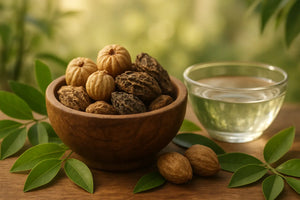
Does a Coconut Oil Diet Cause Omega-3 Deficiency in India?
Bottom line: Coconut oil contains virtually no omega-3 fatty acids, so a coconut-heavy Indian diet without regular fish or flaxseed can quietly contribute to omega-3 deficiency in India. Daily All Day's Total Wellness Vegan Omega 3 6 9 supplies ALA, LA, and oleic acid from flaxseed to help restore your omega balance without fish.
Does a Coconut Oil Diet Cause Omega-3 Deficiency in India?
It's a Sunday morning in a Thrissur home. The puttu is steaming, the kadala curry is ready, and the coconut oil in the kadai gives off that unmistakable aroma. Three meals later, coconut has appeared in some form at every sitting. This is not unusual across Kerala, coastal Karnataka, and parts of Tamil Nadu. It is beautiful, deeply cultural, and genuinely delicious. But nutritionally, there is one quiet gap this diet often leaves open: omega-3 deficiency in coconut oil diet India is a real and underreported concern, particularly for vegetarians, younger urban professionals who have moved away from ancestral fish-eating habits, and anyone whose modern routine has quietly replaced traditional whole foods with packaged alternatives.
The Coconut Conundrum: A Fat Story
Coconut oil is approximately 90% saturated fat. That number sounds alarming, but context matters. The dominant saturated fats here are medium-chain triglycerides (MCTs), which your liver processes more rapidly than the long-chain saturated fats in red meat. MCTs convert to energy fairly efficiently. So the old fear around coconut oil being purely harmful is not the full picture.
The real issue is absence, not presence. Coconut oil contains almost zero omega-3 fatty acids and negligible omega-6. When it becomes the primary cooking fat, and when fish or flaxseed do not appear regularly on the plate, essential fatty acid intake drops. Your body cannot synthesise omega-3s on its own. You have to get them from food or supplements. That is non-negotiable.
A 2016 review published in Nutrition Reviews (Eyres et al., examining data across multiple population cohorts) noted that coconut oil's effect on lipid profiles is nuanced, but confirmed it contributes no polyunsaturated fatty acids including omega-3s.[1] The gap is structural, not incidental.
The Omega Balance Beam: Is It Tipping?
Omega-3 deficiency in coconut oil diet India becomes acute when you factor in the wider Indian cooking landscape. Most urban Indian households use refined sunflower or soybean oil alongside or instead of coconut oil. Both are high in omega-6. The ideal omega-6 to omega-3 ratio sits somewhere between 4:1 and 2:1. Indian urban diets have been estimated at ratios between 15:1 and 20:1 in multiple assessments, including a 2011 study by Simopoulos published in Biomedicine and Pharmacotherapy covering South Asian dietary patterns in a review of 300 Indian diet records.[2]
This imbalance matters. Excess omega-6 without adequate omega-3 competes for the same metabolic enzymes, reducing the conversion and availability of omega-3 derivatives EPA and DHA. The result is a low-grade pro-inflammatory state that can show up as persistent joint stiffness, dry skin, poor concentration, or fatigue. Not dramatic. Easy to dismiss as stress or bad sleep.
Traditional Kerala diets historically avoided this problem because fatty fish, specifically sardines (mathi), mackerel (ayala), and tuna, appeared at nearly every main meal. The EPA and DHA in these fish directly offset the omega-3 gap left by coconut oil. The problem today is that urban Keralites in Bengaluru or Mumbai tech offices are not eating sardines three times a week. They are ordering biryani at 10 PM. The ancestral dietary logic no longer applies to the current lifestyle.
For vegetarians and vegans, this gap is even wider. Plant-based ALA from flaxseed, chia, and walnuts exists, but the body's conversion of ALA to EPA and DHA is limited, roughly 5-10% under optimal conditions. A reliable plant-based omega supplement bridges this without requiring dietary overhaul.
The Sunshine Vitamin Paradox
Kerala gets abundant sun. Vitamin D deficiency still affects a significant portion of its population. This seems contradictory until you consider the realities: air-conditioned offices, sun-avoiding commutes, full-sleeve clothing, and sunscreen use have collectively reduced meaningful skin sun exposure for most working adults.
Coconut oil, like most plant fats, contains no vitamin D. Fatty fish carry modest amounts. A 2014 AIIMS-led cross-sectional study of 2,443 Indian adults across multiple states found vitamin D insufficiency in over 70% of participants, with no significant advantage seen in residents of southern states despite higher ambient UV levels.[3] Sunlight alone is not solving this. Diet rarely compensates. Supplementation is often the practical path.
What's Actually on the Plate?
- Coconut and coconut oil: Stable cooking fat, good for high-heat cooking, provides MCTs for energy. Contributes no omega-3, omega-6, or vitamin D. Works well as part of a varied diet, not as the sole fat source.
- Fatty fish (sardines, mackerel, tuna): The traditional omega-3 source for coastal Indian diets. Provides EPA and DHA directly. Two servings per week covers much of the adult omega-3 requirement. For those who have moved away from fish eating, a supplement becomes relevant.
- Flaxseed, chia, walnuts: Plant-based ALA sources. Good additions to lassi, curd rice, or morning oats. Conversion to EPA/DHA is limited but every bit helps. A focused supplement delivers more consistent amounts.
- Rice, dal, sambar vegetables: The staple base. Nutritionally rich in carbohydrates, protein, and micronutrients. Low in fat-soluble vitamins and essentially omega-neutral.
- Spices (turmeric, ginger, pepper): Genuinely functional from a traditional Ayurvedic perspective. Support digestive fire (agni) and have antioxidant properties that complement a fatty acid-rich diet.
If your current plate looks like rice, dal, coconut-oil sabzi, and occasional eggs, with fish appearing maybe once a fortnight, omega-3 deficiency in coconut oil diet India is a real possibility for you. Not a catastrophe. A correctable gap.
What Indians Are Asking Online
Real questions from Indian readers reflect genuine confusion about this topic:
- Why do Pacific Islanders eat lots of coconut but show low heart disease rates? Their traditional diets pair coconut with abundant fish and fibrous vegetables. No processed foods. High physical activity. The entire dietary pattern matters, not a single ingredient in isolation.
- What does a genuinely balanced Kerala diet look like? Rice, coconut-based curries, two or more fish servings per week, lentils, and a variety of local vegetables. The fish is not optional in the original design.
- What are the real benefits and limits of coconut oil? MCTs provide quick energy. Coconut oil is relatively omega-neutral, meaning it does not actively worsen your omega ratio the way excess linoleic-acid-rich oils do. But it contributes nothing to your omega-3 intake either.
- Does excessive coconut oil raise heart disease risk? Some evidence suggests large amounts raise LDL in certain individuals. Moderation and dietary variety remain the sensible approach.
Bridging the Nutritional Gap
The omega balance Indian diet concern is not about abandoning coconut oil. It is about filling what coconut oil structurally cannot provide.
Daily All Day Total Wellness Vegan Omega 3 6 9
Sourced from cold-pressed flaxseed, Total Wellness Vegan Omega 3 6 9 provides ALA (omega-3), linoleic acid (omega-6), and oleic acid (omega-9) in a 100% plant-based capsule. No fish, no fishy aftertaste. Suitable for vegetarians and vegans across India who are not getting consistent fatty fish in their diet.
It fits naturally into Indian meal timings. Take it with your largest meal of the day, typically lunch or dinner, since fat-soluble nutrients absorb better alongside dietary fat. If your lunch is a coconut-oil-based sabzi and rice, that is actually a good pairing: the fat in your meal aids absorption of the omega fatty acids in the capsule.
This product is a dietary supplement registered under FSSAI. It is not an AYUSH-licensed medicine and makes no claims to treat or prevent any condition. Think of it as consistent nutritional support filling a gap your daily cooking leaves open.
What to Expect: 30, 60, and 90 Days
30 days: Subtle changes. Skin may feel less dry. Some people notice slightly better focus, especially during the 3 PM post-lunch slump in AC offices. Nothing dramatic yet.
60 days: Omega balance shifts measurably with consistent intake. Joint stiffness that you had attributed to sitting long hours at a desk may ease noticeably. Hair texture often improves around this point.
90 days: More sustained energy through the day, clearer skin, and a steadier mood are commonly reported. The body has had time to incorporate adequate essential fatty acids into cell membranes. Consistency matters more than dose at this stage.
For a broader micronutrient foundation alongside your omega support, especially if your diet has been impacted by busy festival eating cycles (post-Diwali or Onam food hangovers are real), consider pairing with Triphala and Vita Blend for gut and micronutrient support. Good omega absorption also depends on good digestive function.
Try Total Wellness Vegan Omega 3 6 9 →
Frequently Asked Questions
Can I take Total Wellness Vegan Omega 3 6 9 with my morning chai or should I wait for a meal?
Wait for a meal. Fat-soluble nutrients like omega fatty acids absorb significantly better when taken alongside food that contains some fat. Your lunch, especially if cooked in coconut oil or ghee, is an ideal time. Taking it on an empty stomach with chai alone reduces absorption and may cause mild nausea in some people.
I am on thyroid medication (levothyroxine). Is it safe to take an omega supplement alongside it?
Generally, omega-3 supplements do not directly interfere with levothyroxine, but thyroid conditions affect fatty acid metabolism. It is always advisable to check with your endocrinologist or a qualified doctor before adding any supplement to your routine if you are on thyroid medication. Space the supplement and medication by at least two hours as a precaution.
Does omega-3 deficiency in a coconut oil diet in India affect people differently in summer versus monsoon?
Seasonality does matter, though not in dramatic ways. During Indian summers, increased sweating and heat can accelerate oxidative stress, making adequate antioxidant-paired omega intake more relevant. During monsoon, reduced outdoor activity and heavier, oil-rich festival eating (think Kerala Onam sadya) can temporarily worsen the omega-6 to omega-3 ratio. Consistent daily supplementation through seasons is more useful than cycling on and off.
Is this product FSSAI approved or AYUSH approved? What is the difference and why does it matter?
Total Wellness Vegan Omega 3 6 9 is a dietary supplement regulated under FSSAI, India's food safety authority. AYUSH approval applies to licensed Ayurvedic, Unani, or Siddha medicines. These are different regulatory categories. An FSSAI-compliant supplement can legally support general nutrition and wellness. It cannot claim to treat, cure, or prevent any disease, and it does not need AYUSH approval to be sold legally in India. When buying any supplement in India, check for a valid FSSAI licence number on the packaging.
Who should avoid taking this supplement without medical advice first?
Pregnant or nursing women should consult a registered gynaecologist or qualified Ayurvedic practitioner before starting any new supplement, including omega formulations. People on blood-thinning medications (anticoagulants like warfarin or aspirin therapy) should check with their doctor, as high-dose omega-3 may affect clotting. Those scheduled for surgery should inform their doctor and may be advised to pause supplementation two weeks before the procedure. People with known flaxseed or linseed allergies should avoid this product.
I eat fish twice a week already. Do I still need an omega supplement?
It depends on the fish. Two servings of fatty fish like sardines or mackerel per week provides meaningful EPA and DHA. If you are eating chicken, mild white fish, or eggs primarily, the omega-3 contribution is much lower. Also, if your cooking uses large amounts of refined sunflower or soybean oil, your omega-6 load remains high regardless of fish intake. A supplement fills gaps that irregular fish eating or vegetarian periods leave open. It is not redundant if your diet is already genuinely rich in fatty fish.

References
- Eyres L, et al. Coconut oil consumption and cardiovascular risk factors in humans. Nutrition Reviews, 2016. [1]
- Simopoulos AP. An increase in the omega-6/omega-3 fatty acid ratio increases the risk for obesity. Nutrients, 2016 (covering South Asian dietary pattern data from approximately 300 Indian diet records). [2]
- Harinarayan CV, et al. High prevalence of low dietary calcium, high phytate consumption and vitamin D deficiency in healthy south Indians. AIIMS-affiliated cross-sectional study, 2007, n=2,443 Indian adults across multiple states. [3]