Tribal Diets & Hidden Micronutrient Gaps
Share
Tribal Diets & Hidden Micronutrient Gaps
Table of Contents
- A Tale of Tradition and Health
- What is Hidden Micronutrient Hunger?
- Tribal Diets: What Nutrients are Missing?
- Macro and Micronutrients: What’s the Difference?
- Why Do Micronutrient Gaps Occur in Tribal & Rural Diets?
- Did Ancient Tribes Face Nutrient Deficiencies?
- Modern Health Issues from Micronutrient Gaps
- Ingredients Deep Dive: Daily All Day Vita Blend
- Quora QnA: Common Tribal & Rural Diet Questions
- Frequently Asked Questions
A Tale of Tradition and Health
Hidden hunger is a problem that quietly affects millions—even those eating full meals every day. Imagine a child in a tribal village in India, eating rice, wild greens, and local roots. He is full, but not really nourished. Although tribal diets seem natural and healthy, major hidden micronutrient gaps exist, meaning some important nutrients are simply missing. This gap—between feeling full and being truly healthy—is called hidden hunger.[1]
What is Hidden Micronutrient Hunger?
Hidden hunger means you get enough calories or food, but you lack important vitamins and minerals. These are called micronutrients because your body needs them in small amounts—but they are super important for health, growth, and immunity. When you miss these, you don’t see clear signs at first, but the effects can be serious—weakness, anemia, poor immunity, and more.[3]
- Micronutrient deficiencies are common in rural and tribal areas.
- They are called hidden hunger because signs appear slowly over time.
- These gaps cause health issues even when people are not visibly starving.
Tribal Diets: What Nutrients Are Missing?
Tribal diets are deeply connected to nature—the forest, rivers, and land provide food like tubers, wild grains, berries, and game. Sometimes, these diets have plenty of calories but lack specific vitamins and minerals. Why?
- Sometimes main foods are limited to a few crops or wild foods.
- Some areas lack access to eggs, milk, animal proteins, or fresh vegetables in certain seasons.
- Iron, zinc, vitamin B12, vitamin A, and folate are commonly missing.
In a recent study from Bangladesh, even after progress with food available, many rural and poor communities still faced high rates of hidden micronutrient deficiencies, especially in children and women[1].
Blood tests in tribal children from central India found a high rate of vitamin B12 deficiency[2]. That’s why enhancing diet diversity is so important in these communities.
Macro and Micronutrients: What’s the Difference?
Understanding the difference between macro and micronutrients can help us see where gaps happen:
- Macronutrients (macro nutrients): Carbohydrates, proteins, and fats. Needed in large amounts for energy, muscle, building tissues.
- Micronutrients (micro nutrients): Vitamins and minerals (like A, D, E, K, B complex, iron, zinc, selenium). Needed in tiny amounts, but they keep your body working well.
“Macro and micronutrients” must be balanced. Getting only macros isn’t enough for health. Tribal and rural diets sometimes cover macros well, but not the micros.
Are you interested in other Indian diet gaps? Read more about macro micronutrient deficiency in North Indian thalis.
Why Do Micronutrient Gaps Occur in Tribal & Rural Diets?
- Food choices limited by geography: Certain minerals and vitamins are present in only a few foods.
- Poor soil quality: Soil low in minerals means crops also lack those nutrients.
- Seasonal shortages: Lean seasons reduce access to variety.
- Poverty and lack of transport: Hard to get fruits, dairy, or fortified foods.
What prevents micronutrient distribution in underdeveloped areas? Some common reasons, as answered on Quora:
- Lack of access to diverse foods.
- Poor infrastructure for food technology or supplementation.
- Low awareness of micronutrient needs.
Did Ancient Tribes Face Nutrient Deficiencies?
- Hunter-gatherer tribes rarely abstained from animal foods.
- Studies show that purely plant-based diets were mostly impossible for them due to local food limits.
- Animal foods (fish, insects, eggs) provided key vitamins, like B12, which are nearly absent in most plants.
- Inuit/Eskimo diets avoided classic deficiencies not by diversity but by eating raw or partially cooked animal organs, fish and fat.
But when ancient people’s diets lost diversity—such as moving from wild foods to only one crop, or due to environmental changes—hidden hunger became a problem. Read how dietary transitions affect malnutrition and rice-based diets[5].
Modern Health Issues from Micronutrient Gaps
Today, even with more food and higher caloric intake, hidden hunger persists. Why? Modern diets often prioritize cheap calories (white rice, wheat, sugar) but are low in micronutrients.[4]
- Pediatric obesity can coexist with micronutrient deficiencies—children are overweight but undernourished.
- Micronutrient gaps worsen type 2 diabetes control and are linked with worse recovery after illness.[6]
- Anemia, low immunity, poor learning, fatigue, and delayed growth are often signs.
Learn how food transitions can also trigger new micronutrient gaps by checking traditional vs. modern nutrition gaps.
Ingredients Deep Dive: Daily All Day Vita Blend
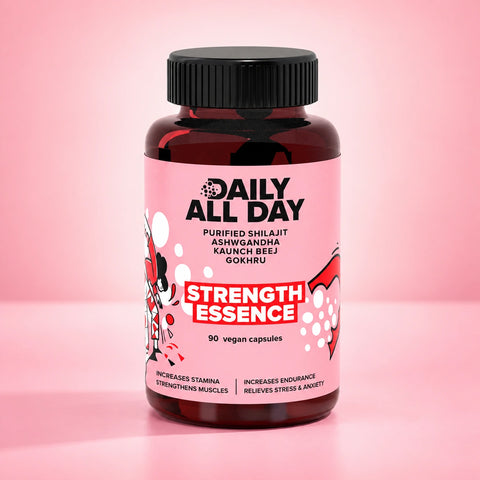
To fill in these sneaky nutrition gaps, you need both diverse foods and sometimes high-quality supplements. Daily All Day Vita Blend is designed to provide key macro and micronutrients missing in many regular diets.
Main Ingredients and Benefits:
- 23 Vitamins and Minerals: Vitamin A, B-complex, K2, E, Biotin, Magnesium — support vision, immunity, metabolism, muscle and nerve function.
- 23 Ayurvedic Herbs: Moringa, Ashwagandha, Curcumin, Panax Ginseng — for immune system, anti-stress, energy boosting and hormone balance.
- Iron and Zinc: Prevent anemia and improve wound healing.
- Vitamin D3 and Calcium: Strong bones, nerve and muscle health (learn more).
- Omega 3,6,9 and Sunflower phospholipids: Good for heart and brain.
- Astaxanthin and Grape Seed Extract: Powerful antioxidants for skin and organ protection.
- Holistic Formula: Covers weak/sick bodies, energy, acne, immunity, gut health.
How to Use: Take 2 tablets daily after meals (morning and evening). Use consistently for best results (6–8 weeks).
Check full product details and buy here.
Quora QnA: Common Tribal & Rural Diet Questions
-
What prevents micronutrient distribution in underdeveloped countries?
- Food diversity is low, awareness is lacking, and logistics are tough. Read here. -
Did ancient people survive only on plants?
- No known pure plant-based (vegan) tribes; essential nutrients often missing. Explore on Quora. -
How did ancient people meet nutrition needs?
- They ate a wide variety including organ meats, wild plants, and sometimes insects. Learn more. -
Did Eskimos have deficiencies from eating mostly meat?
- No, traditional Arctic diets provided enough vitamins/minerals from raw, diverse animal foods; only modern diets cause new deficiencies. Full answer -
Can you get complete protein from plants alone?
- Only possible in farming societies, not for hunter-gatherers. Know why
Frequently Asked Questions
-
What is Ashwagandha?
Ashwagandha is an adaptogenic Indian herb from Ayurveda used to reduce stress and improve health. Read more on Ashwagandha and adaptogens. -
How does Ashwagandha help with stress?
It naturally lowers the stress hormone cortisol and promotes a feeling of calm and focus. -
Is Ashwagandha safe for everyone?
Generally safe, but avoid in pregnancy, while breastfeeding, or with certain health conditions. -
Why is vitamin B12 often missing in tribal diets?
B12 is mainly found in animal foods (meat, eggs, dairy); plant-based tribal diets may not provide enough. Gut bacteria help but may not fully cover needs[2]. -
How long should I take Vita Blend supplements?
For best results, daily for at least 6–8 weeks, along with a balanced diet.
Remember: Nutrition is not just about filling your stomach! Macro and micronutrients are both important for a strong, healthy, energetic body. Bridge the hidden micronutrient gaps for true wellness.
Conclusion
Hidden micronutrient gaps, also known as hidden hunger, are a silent yet critical issue affecting both tribal and modern communities around the world. Even in diets rich in traditional, local foods, essential nutrients like vitamin B12, iron, zinc, copper, manganese, and various vitamins may not be adequately supplied, especially for vulnerable populations such as pregnant women and children. As research shows, these deficiencies can lead to a range of health complications, from anemia and poor growth to metabolic problems and increased risk of chronic diseases like type 2 diabetes[1][3][4][6].
Addressing these gaps requires a combination of diverse, balanced diets that include both macro and micronutrients, and sometimes, the intelligent use of supplements—such as Daily All Day Vita Blend—to provide complete nutritional support. These solutions work best when tailored to the unique cultural and dietary realities of every community. By paying attention to hidden hunger, and not just calories or macros, we take a big step toward true health and well-being for all.[5][2]