Can Your Microbiome Predict Lifestyle Diseases? What Emerging Gut Research Means for Indian Families
Share
Table of Contents
- The Microbiome – A Family Story
- What is the Microbiome?
- How the Microbiome Connects to Lifestyle Diseases
- Emerging Gut Microbiome Research Explained
- What This Means for Indian Families
- Ingredients Deep Dive: Gut Friendly Choices
- Daily All Day Products for Gut Health
- Quora Q&A: What People Are Asking
- Frequently Asked Questions
The Microbiome – A Family Story
Imagine an Indian family at the dining table sharing poha, curd, and fruit. Unknown to them, billions of tiny friends (and foes) are also sharing that meal inside their gut. These invisible bacteria, called the microbiome, could be quietly affecting who in the family will grow up healthy, who might struggle with weight, who may develop diabetes—or even who may face joint pain or brain fog as they age. That’s what latest microbiome research is now revealing—and it matters to every household in India.
What is the Microbiome?
- The microbiome is the collection of bacteria, viruses, and fungi living mostly inside your gut.
- It has a huge impact on digestion, immunity, ageing, mental health, and even skin.
- When we talk about what is gut microbiome, we mean specifically the mix of these microbes found in our stomach and intestines.
- Just like a fingerprint, every person’s microbiome is unique. Even in the same family!
The gut microbiome helps us absorb nutrients, synthesize vitamins, and keeps harmful bugs away. When this balance is disturbed (we call it dysbiosis), it can trigger lifestyle diseases like obesity, diabetes, inflammatory bowel diseases (IBD), and even affect our brain and mood ([1]).
How the Microbiome Connects to Lifestyle Diseases
Scientists have found that:
- Poor microbiome health means the body finds it harder to manage sugar and fat, leading to obesity and diabetes ([1]).
- Imbalances in gut bacteria can increase gut inflammation, causing IBD, bloating, and chronic pain.
- There’s even gut research showing links between gut bacteria and diseases as different as Parkinson’s, skin issues, and cancer-related wasting (cachexia) ([3], [6]).
- Everybody, from young children to grandparents, is affected.
So, can your microbiome predict your risk of these diseases? Researchers think so, because certain bacteria are more common in people who develop lifestyle diseases, while healthy people have a very different mix.
Learn more how the gut-skin axis also affects acne and ageing!
Emerging Gut Microbiome Research Explained
- More studies are now using mice, human gut models, and high-tech sequencing to see how our gut bugs change with diet, drugs, and illness ([1]).
- Research shows that a disrupted microbiome can even affect mental state and movement—like in Parkinson’s Disease ([3]).
- IBD, like Crohn's and ulcerative colitis, is closely linked to what bacteria thrive or die in our intestine ([1]).
- Cancer-related wasting (cachexia) is connected not only to bacteria but also to gut viruses, called the virome ([6]).
- Some studies suggest that even behavior and risks for autism could be linked to early gut bacteria changes, though this evidence is still being studied ([5]).
The bottom line? Gut health is now at the centre of preventing and even treating lifestyle diseases.
What This Means for Indian Families
- Typical Indian diets have many elements that help the microbiome, like dal, dahi, fruits, and whole grains.
- Junk food, processed snacks, and too many antibiotics destroy healthy bacteria—making us and our children prone to chronic health problems.
- Many Indian families don’t get enough dietary fiber, plant polyphenols, or probiotic-rich foods that keep the microbiome thriving (find best Indian high-fiber foods here).
- Changing family habits together—by eating more gut-friendly foods and taking natural supplements—can help everyone, from school kids to seniors.
Ingredients Deep Dive: Gut Friendly Choices
1. Apple Cider Vinegar (ACV)
- Improves digestion and supports the growth of good gut bacteria
- May help control blood sugar and appetite, supporting weight management
- Found in Daily All Day Slim Support
2. Garcinia Cambogia
- Helps burn fat and suppress appetite—for better weight and less risk of diabetes
3. Methi (Fenugreek)
- Supports digestion and helps manage blood sugar—beneficial for both gut and metabolic health
- High in fiber
4. Green Coffee Beans & Green Tea
- Rich in powerful antioxidants called polyphenols—fuel for good gut bacteria
- Increase metabolism and support fat burning
5. Gurmar & Ginger
- Support healthy sugar levels and soothe digestion
- Help control food cravings and promote a balanced gut
6. Triphala
- Cleanses and detoxifies the gut, promoting smoother digestion
- Balances gut flora—great for Indian diets (read more on Triphala’s benefits)
7. Flax Seeds (Omega 3, 6, 9)
- Increase good bacteria and reduce inflammation in the body
- Support brain, heart, skin, and joint health—especially needed if you eat less fish!
- Plant-based and vegan
Daily All Day Products for Gut Health
1. Daily All Day Slim Support (90 Capsules)
- A blend of 10 gut-friendly herbs, designed to burn fat, control appetite, and boost metabolism
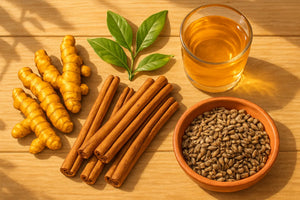
- Key ingredients: Apple cider vinegar, Garcinia Cambogia, Methi, Green Coffee, Ginger, Gurmar, Triphala
- 100% vegetarian and lab-tested
How to use: 2 capsules daily, 1 hour before meals, for at least 6–8 weeks for best results.
2. Daily All Day Total Wellness Omega 3 6 9 (60 Capsules)
- Supports brain, heart, skin, joint, and gut health with vegan-source omega fatty acids
- Reduces inflammation, helps joints, and promotes flexible movement
How to use: 2 capsules twice daily, after meals, for 6–8 weeks for best results.
Quora Q&A: What People Are Asking
-
Q: Can eating fermented foods and fiber really change my gut bacteria for better health?
- Yes! Taking more fiber and fermented foods supports diversity in gut flora. It reduces disease risks. Read more on Quora.
-
Q: How do I know if my gut microbiome is healthy?
- Signs include regular digestion, good energy, clear skin, and fewer infections. Gut problems? Try a gut cleanse or probiotics. See expert opinions.
-
Q: Should every Indian take probiotics or supplements?
- Not always, but common diet flaws, pollution, and stress mean most people benefit from adding gut-friendly foods and herbs. Find more answers here.
-
Q: What are some easy things a family can do for better gut health?
- Eat more dal, vegetables, curd, and avoid fried foods. Use natural herbs and consider detox supplements. See simple tips here.
Frequently Asked Questions
-
What is Ashwagandha?
Ashwagandha is a powerful herb in Indian Ayurveda used to help the body handle stress and boost overall health. -
How does Ashwagandha help with stress?
It naturally lowers the stress hormone (cortisol) in the body and creates calmness. -
Is Ashwagandha safe for everyone?
It’s usually safe but avoid if you’re pregnant, breastfeeding, or have certain medical problems. -
How long does it take for natural supplements to show gut health results?
Most people see improvement in 6–8 weeks with consistent use, combined with diet and lifestyle changes. -
What are early signs of poor gut health?
Frequent bloating, acidity, constipation, fatigue, skin issues, mood swings, and weight gain are early signals your microbiome needs help.
Want more natural health tips?
Read more about clean label supplements, vitamin D and B12 for Indians, and natural anxiety management for the whole family.
The microbiome, made up of trillions of bacteria and viruses living inside our gut, is now being linked to many major health problems, from obesity and diabetes to joint pain, cancer cachexia, and even disorders like Parkinson’s or autism. Latest gut microbiome research is showing clear connections between our gut health and our long-term risks for lifestyle diseases. For Indian families, this means focusing on foods and natural supplements like fiber, apple cider vinegar, methi, triphala, and plant-based omega 3-6-9 for both prevention and better day-to-day health.
Since healthy gut habits can influence so many systems in the body, especially immune and brain functions, regular support to the gut microbiome is no longer optional—it is essential! Don’t forget lifestyle changes work best with help. Daily All Day's Slim Support and Total Wellness Omega 3 6 9 can play a supportive role.