PCOS in Young Indian Women: Early Lifestyle, Nutrition, and Herbal Interventions to Prevent Long-Term Complications
Share
Table of Contents
- What is PCOS? (PCOS kya hai, PCOS definition)
- Why Should Indian Girls Act Early?
- PCOS Symptoms, Risks & Complications
- Early Lifestyle Changes for PCOS Management (PCOS Management)
- PCOS-Friendly Foods & Nutrition in India
- Herbal and Natural Interventions
- Ingredients Deep Dive: Daily All Day Gluco Wise & Triphala
- PCOS Tests & Diagnostic Criteria
- Quora QnA: Indian Girls’ Real Questions on PCOS
- Frequently Asked Questions
What is PCOS? (PCOS kya hai, PCOS definition, PCOS kya hota hai)
Imagine being young and dealing with missed periods, acne, and extra hair growth—many Indian girls experience this due to PCOS or Polycystic Ovary Syndrome. PCOS is not an infection, it is a hormonal problem that affects ovaries, metabolism, and fertility. In simple terms, a girl with PCOS faces uneven hormone levels, which can create small cysts in the ovaries and disturb periods, skin, and even mood.
- Insulin resistance is very common in PCOS—this means the body struggles to manage sugar levels.
- PCOS can start in teenage years but often goes unnoticed if ignored.
Scientists have identified several biomarkers and molecular causes, making early detection and intervention possible[1]. Diagnosing PCOS is more than just counting cysts; it involves hormone tests and symptom tracking (PCOS diagnostic criteria).
Why Should Indian Girls Act Early?
Early lifestyle choices matter a lot for PCOS ki management. PCOS can increase the risk of diabetes, high cholesterol, fatty liver, and heart disease, even at a young age[2]. Due to cultural taboos, many Indian girls don't speak about these problems until things get worse.
- Timely change makes PCOS manageable and lowers risk of future health issues.
- Small daily habits—like regular sleep, eating on time, and reducing junk food—have life-long benefits. Read more about daily micro habits for health.
PCOS Symptoms, Risks & Complications
PCOS is more than just irregular periods (PCOS kya hota hai). Symptoms include:
- Weight gain or trouble losing weight
- Acne, dark skin patches (especially on neck), and thinning hair
- Excess growth of unwanted hair (face, chin, chest)
- Lack of ovulation, making pregnancy difficult later
- Mood swings and sometimes depression
- Insulin resistance—raising blood sugar and diabetes risk
- Increased chances of high cholesterol, heart problems, and fatty liver
Recent research also connects PCOS with a higher risk of heart disease and even neurological effects in future children[5] [7].
Early Lifestyle Changes for PCOS Management (PCOS Management, PCOS Kya H)
-
Move more: At least 30 minutes of walking, yoga, dance, or sports daily.
- Exercise improves the way your body uses insulin and reduces inflammation[2].
- Sleep well: Focus on 7-8 hours of good sleep—late nights and phone screens disturb hormones. Learn more about sleep and hormones.
- Stress management: Meditation, deep breathing, or fun hobbies keep stress in check, which is essential as stress makes PCOS symptoms worse.
- Avoid chemicals: Reduce exposure to plastic containers, pesticides, and strong cosmetics—they can act as hormone disruptors[3].
PCOS-Friendly Foods & Nutrition in India (PCOS Friendly Foods, What is Insulin Resistance?)
-
Balanced Meals: The most important tip: never skip meals. Include a healthy mix of:
- Whole grains (roti, dalia, brown rice, millets)
- Good proteins (moong, sprouts, paneer, tofu, curd)
- Fiber-rich fruits and seasonal vegetables
- Raw salads, nuts, seeds
- Healthy fats (ghee, mustard oil, coconut, almonds)
-
Foods to Avoid:
- Sugary drinks, white bread, chips, and foods with added sugar
- Ultra-processed and fried foods raise inflammation and make insulin resistance worse (read about ultra-processed food impacts)
- Hydrate: Water helps control blood sugar and keeps skin clear
Many young women are confused about "curing PCOS with only diet and exercise". The answer—while there's no instant cure, balanced meals, regular movement, sleep, and stress control can put PCOS in control long-term.
Herbal and Natural Interventions
Herbal supplements are becoming popular for PCOS, due to fewer side effects than medicines. Some well-researched Indian and global herbs include:
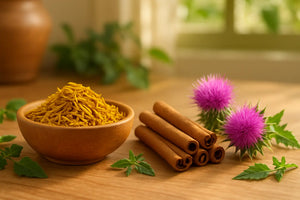
- Berberis Aristata (Daruharidra)
- Ceylon Cinnamon
- Milk Thistle
- Triphala
Recent studies explored the benefits of plant compounds, like galangin, in improving ovarian function and reducing oxidative stress in PCOS[4]. Natural interventions can support improvements in insulin sensitivity, hormone balance, liver health, and help the gut (learn more about gut health).
Always consult a professional before starting any supplement. All-natural products help best when combined with good nutrition and lifestyle.
Ingredients Deep Dive: Daily All Day Gluco Wise & Triphala Tablets
Daily All Day Gluco Wise (90 Capsules)
- Berberis Aristata (Daruharidra or Daruhaldi): Helps manage healthy blood sugar, supports liver, and reduces inflammation
- Ceylon Cinnamon (Dalchini): Naturally supports better insulin action, lowers fasting sugar, and boosts metabolism
- Milk Thistle: Protects the liver, provides strong antioxidant benefits, and helps lower unhealthy cholesterol
Benefits:
- Supports blood sugar and cholesterol for PCOS
- Reduces oxidative stress and inflammation—central to PCOS complications[2]
- Improves overall metabolism and supports healthy weight
Usage: 2 capsules daily after meals for 6–8 weeks. Learn more
Daily All Day Triphala 1:2:3 (120 Tablets)
- Amla: Rich in Vitamin C, improves skin, hair, and boosts immunity
- Baheda: Natural detoxifier, helps clear toxins
- Harad: Improves digestion, relieves constipation, and supports gut health
Benefits:
- Reduces bloating and supports regular bowel health
- Enhances skin and hair—a common concern in PCOS
- Traditional ayurvedic home remedy for long-term health
Usage: 2 tablets daily after meals for 6–8 weeks. Read in detail
PCOS Tests & Diagnostic Criteria (PCOS Test Price, PCOD or PCOS, PCOS Diagnostic Criteria)
Diagnosing PCOS needs more than an ultrasound. Doctors generally consider:
- Irregular or missed periods
- Blood tests for hormones like LH, FSH, testosterone, and insulin
- Ultrasound to check ovaries
- Markers like AMH and Galectin-3 may soon become regular tests for early risk prediction[8] [6]
Test price can vary, and you should consult a reputed medical lab. Early diagnosis helps in starting lifestyle changes before major symptoms show up.
Quora QnA: Real Indian Girls' Questions on PCOS
-
How can I cure PCOS with only diet and exercise?
- Focus on balanced meals (protein, carbs, fiber, vitamins, minerals), portion control, and consistent exercise. -
What is the best routine and diet for an Indian girl with PCOS?
- Follow regular meal times, avoid refined sugar/junk, include seasonal veggies, exercise, and manage stress for best results. -
How can changes to your diet and lifestyle help PCOS?
- A combination of proper diet, activity, sleep, and herbal support works best for PCOS control. -
What is an Indian vegetarian diet plan for PCOS women?
- Use more pulses, whole grains, seasonal greens, nuts, and curd. Reduce fried/packaged products. -
What is the best herbal treatment for PCOS?
- While there is no single cure, herbs like Berberine, Cinnamon, and Milk Thistle have good support for blood sugar, hormone, and liver health.
Frequently Asked Questions
-
What is Ashwagandha?
Ashwagandha is an adaptogenic herb used in traditional Indian medicine to help with stress and improve health naturally. -
How does Ashwagandha help with stress?
Ashwagandha helps lower the stress hormone cortisol, which can indirectly improve hormonal balance needed in PCOS. -
Is Ashwagandha safe for everyone?
Generally safe, but should be avoided in pregnancy or by people with some health issues. Always check with a doctor. -
Which herbal supplements are safest for young Indian women with PCOS?
Indian herbs like Berberis Aristata, Ceylon Cinnamon, and Triphala are popular and usually well-tolerated when bought from quality brands like Daily All Day. -
Can PCOS be reversed by natural means?
While there’s no permanent "cure," symptoms can be managed well by changing lifestyle and using supplements regularly.
PCOS is a journey, but with the right support and early attention, every young Indian woman can live well and prevent long-term complications!
Polycystic Ovary Syndrome (PCOS) in young Indian women brings both immediate challenges and potential long-term health risks, including cardiovascular issues and metabolic problems. Early intervention through balanced nutrition, regular exercise, and the use of natural and herbal supplements like those found in Daily All Day Gluco Wise and Daily All Day Triphala can support better blood sugar, cholesterol, and digestive health, which are crucial for managing PCOS symptoms and preventing complications. Science has shown that insulin resistance, chronic inflammation, and hormonal imbalances are central to PCOS. Herbs like Berberis Aristata, Ceylon Cinnamon, and Milk Thistle target several metabolic and hormonal pathways to provide effective, natural support.
Remember, small, consistent changes in daily habits have a big impact. If you feel confused about diet, lifestyle, or supplements, look for expert guidance. Modern research and traditional Indian wisdom together give us powerful tools to take control of PCOS, enhance well-being, and reduce future risk.
Citations:
[1] [2] [3] [4] [5] [6]