Does Berberine Help Blood Sugar After Indian Meals?
Share
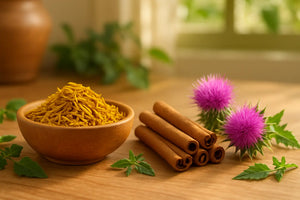
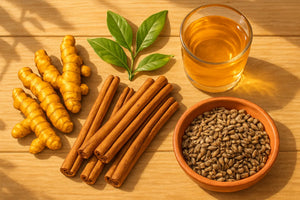
Bottom line: Berberine, the active compound in Berberis aristata (Daruharidra in Ayurveda), activates AMPK pathways to slow glucose absorption after carbohydrate-heavy Indian meals like rice, roti, and dal. Gluco Wise- Blood Sugar Support combines berberine with Ceylon cinnamon and milk thistle, offering gentle, science-backed post-meal blood sugar support for Indian adults.
Does Berberine Help Blood Sugar After Indian Meals?
Table of Contents
- Understanding Post-Meal Sugar Spikes
- Which Indian Foods Spike Blood Sugar?
- Simple Ways to Manage Sugar Spikes
- Gluco Wise: Berberine for Indian Meal Patterns
- When and How to Take Gluco Wise with Indian Meals
- Real Questions Indian Readers Are Asking
- Frequently Asked Questions
Understanding Post-Meal Sugar Spikes in the Indian Context
It's 9 PM. You've just finished dinner — two rotis, some dal, a small bowl of rice, maybe a little ghee. You feel fine, but your blood sugar has already begun a sharp climb your body is quietly working to manage. This is the daily reality for millions of Indian adults, and it happens three times a day.
Post-meal blood sugar spikes (called postprandial hyperglycemia) are not just a concern for people with diabetes. Research from a 2022 observational study published in the Indian Journal of Endocrinology and Metabolism found that a significant proportion of urban Indians with normal fasting glucose still showed abnormal post-meal readings above 140 mg/dL — a value that ideally should stay below that threshold for non-diabetics [1].
The gap most online articles miss: they cite global numbers but ignore that the Indian diet is fundamentally carbohydrate-dominant. Our staples — rice, wheat roti, poha, upma, idli , are all high-glycemic or moderate-glycemic by design. Even "healthy" home meals carry a glucose load that Western nutrition studies often don't account for.
That's where berberine for blood sugar after Indian meals becomes a practical, relevant conversation. Not as a magic fix. As a well-studied botanical compound that fits into real Indian eating patterns.
Which Indian Foods Spike Blood Sugar?
Not all spikes are equal. Here's a practical breakdown of common culprits:
- White rice and maida rotis: High glycemic index (GI 70+). A standard South Indian lunch of rice, sambar, and papad can push postprandial glucose significantly within 45 minutes. [3]
- Sweets during festivals: Diwali laddoos, Eid sheer khurma, Holi gujiya , the concentrated sugar and refined flour combination creates sharp, rapid spikes. Real reader experiences here.
- Sweet chai and packaged juices: Two cups of chai with two teaspoons of sugar each adds up to a hidden 20g+ of sugar before lunch even begins.
- Bakery snacks at tea time: Office biscuits, toast with jam, cream rolls , these are almost entirely refined carbohydrates with little to slow absorption.
- Fruit in large portions: Mango, chikoo, and sweet corn eaten in large amounts , especially on an empty stomach , can cause faster spikes than whole-meal contexts. How food type affects spikes.
The good news: you don't have to abandon your food culture. You work with it. Dietary approaches that actually fit Indian eating patterns.
Simple Ways to Manage Post-Meal Blood Sugar Spikes
Before reaching for any supplement, these evidence-backed habits make a real difference:
- Eat in the right order: Start with sabzi and dal before rice or roti. Studies consistently show that eating fiber and protein first slows the glucose rise from carbohydrates eaten after. Practical Q&A on controlling spikes.
- A 10-minute walk after dinner: Even a slow post-meal walk helps muscles absorb glucose directly. A 2023 meta-analysis of 10 randomized trials (n=577) confirmed that short post-meal walks significantly reduced postprandial glucose versus sitting. [4]
- Replace refined grains occasionally: Jowar, bajra, and foxtail millet roti digest slower than wheat. Even swapping one meal a day makes a measurable difference over weeks. More prevention strategies.
- Add dahi or chaas with meals: Fermented foods slow gastric emptying and provide probiotics that may positively influence glucose metabolism. Reader-sourced prevention tips.
- Pair carbs with protein and fat: A small amount of ghee with rice, or paneer alongside roti, slows the overall glycemic response.
These habits work. But for many urban Indians with late dinner schedules, work-from-home snacking cycles, or post-festival glucose strain, lifestyle changes alone need a supporting hand. That's the honest case for berberine.
Berberine for Blood Sugar After Indian Meals: The Science (and the Ayurveda)
Berberine is extracted from Berberis aristata, known in Ayurveda as Daruharidra. Traditional Ayurvedic texts referenced it for metabolic balance , what we now understand partly as glucose regulation. Modern research has begun catching up.
A landmark 2008 randomized controlled trial (n=116 patients) found berberine comparable to metformin in reducing HbA1c, fasting blood glucose, and postprandial glucose in newly diagnosed type 2 diabetes patients over 3 months [2]. The mechanism: berberine activates an enzyme called AMPK, which acts like a metabolic switch , telling cells to take up glucose more efficiently and slowing glucose production in the liver.
For the Indian diet specifically, this matters more than global studies suggest. Our carbohydrate load per meal is structurally higher than, say, a Mediterranean diet pattern. Berberine's ability to slow intestinal glucose absorption after a starch-heavy meal (like rice and dal) is directly relevant to how we eat.
What most Indian health articles skip: berberine works best when timed to meals, not taken randomly. This distinction changes outcomes significantly , a point we address in the dosing section below.
Gluco Wise- Blood Sugar Support from Daily All Day combines berberine with two complementary ingredients:
- Ceylon cinnamon: Traditionally used in Ayurveda and supported by modern research for its role in maintaining insulin sensitivity. Ceylon (not Cassia) cinnamon is the safer long-term choice. [1]
- Milk thistle (Silymarin): Supports liver function, which is directly connected to glucose regulation , your liver is a primary site of glucose output between meals. Non-alcoholic fatty liver, increasingly common in urban Indians, worsens blood sugar management significantly.
All three work in concert. This is not a single-ingredient pill , it's a formulation designed around the metabolic reality of how Indian bodies process food.
Curious whether berberine may also be relevant for women managing thyroid alongside blood sugar? Read: Can Berberine Support Thyroid and Blood Sugar in Women?
And if your numbers look normal but you still feel metabolically off, this might explain it: Can Berberine Help Thin Indians With Hidden Blood Sugar Risk?
When and How to Take Gluco Wise with Indian Meals
This is the section most product pages and review articles fail to answer clearly. Timing is not trivial with berberine. It matters.
Best timing for Indian meal patterns:
- Take one capsule 15–30 minutes before your largest meal of the day, typically lunch for most Indians.
- Take the second capsule before dinner, especially if dinner is late (post 8 PM is common in metros and work-from-home setups).
- If your main carbohydrate load is at breakfast (poha, idli, paratha), move the morning dose accordingly.
- During festival seasons , Diwali, Eid, Navratri fasting-breaking meals , maintaining regularity with Gluco Wise is more, not less, important. Feast-fast cycles create sharp glucose variability.
Standard daily use: 2 capsules per day, with meals. Do not exceed the recommended dose. This is an FSSAI-regulated dietary supplement, not an AYUSH-licensed medicine , the distinction matters, and we explain it in the FAQ below.
Who should not take Gluco Wise without speaking to a doctor first: Pregnant or nursing women, anyone on metformin or other glucose-lowering medications, people with thyroid disorders on medication, those post-surgery, or anyone with chronic kidney or liver conditions. Berberine can interact with some medications, and that conversation belongs with a qualified physician or Ayurvedic practitioner.
What to Expect: 30 / 60 / 90 Day Timeline
Realistic expectations matter. Berberine is not a week-long fix.
- 30 days: You may notice steadier energy after meals , less of that heavy, foggy feeling 45 minutes after lunch. Some users notice reduced mid-afternoon cravings. Blood sugar readings (if you're tracking) may begin showing smaller postprandial peaks.
- 60 days: More consistent post-meal readings. If you're combining Gluco Wise with post-dinner walks and modest dietary shifts (even just reducing one serving of white rice daily), the effects compound noticeably. Fasting readings may also show early improvement.
- 90 days: This is when the meaningful metabolic shift becomes visible in numbers , HbA1c (if checked), fasting glucose trends, and overall energy stability throughout the day. Cholesterol markers may also show improvement, given berberine's documented effects on lipid metabolism. Consistent use across 90 days is what the clinical evidence is built on.
Supplements reward consistency. Three weeks on, one week off delivers far weaker results than steady daily use.
Real Questions Indian Readers Are Asking
- What Indian foods help control blood sugar? , Millets, whole pulses, leafy greens, okra, and dahi are consistent performers in the Indian diet context.
- How do I control spikes after meals? , Eat in the right order, reduce portion size of refined carbs, add protein to every plate.
- How to prevent spikes after meals? , Fiber first, walk after, reduce maida and sugar in chai.
- How to prevent blood sugar from spiking after meals? , Low GI substitutions, smaller frequent meals, and timed supplementation.
- Dietary recommendations to prevent glucose spikes? , Prioritize protein and fiber at every meal, limit liquid calories, avoid eating refined carbs alone.
- Does food type really affect spikes? , Yes. Significantly. Simple carbs and sweets drive the sharpest spikes, regardless of whether you have diabetes.
Frequently Asked Questions
Should I take berberine before or after my Indian meals, and does it matter?
Timing makes a real difference. Taking berberine (as in Gluco Wise) 15–30 minutes before your main meal , lunch or dinner , allows it to begin influencing glucose absorption as digestion starts. Taking it after a meal reduces this effect. For late Indian dinners (common in metros and work-from-home routines), taking your evening dose before you sit down to eat is more effective than taking it after you're already full. If you have an early South Indian breakfast heavy in rice or idli, move the morning dose to before that meal instead.
Can I take Gluco Wise if I'm already on metformin or a BP medication?
This is a non-negotiable: consult your doctor before combining berberine with metformin. Both act on similar glucose pathways, and combining them without medical guidance can cause blood sugar to drop lower than intended. Similarly, some antihypertensive medications (like amlodipine) are metabolized through pathways that berberine can influence. Gluco Wise is an FSSAI-regulated dietary supplement, not a replacement for prescribed medication. Your doctor needs to know you're taking it.
What is the difference between an FSSAI supplement and an AYUSH-licensed medicine? Which is Gluco Wise?
This confuses a lot of Indian buyers. An AYUSH-licensed product is regulated as a traditional medicine under the Ministry of AYUSH and can make specific therapeutic claims. An FSSAI-regulated supplement (which Gluco Wise is) is a food product meant to supplement your diet , it supports health but cannot claim to treat, cure, or diagnose any condition. FSSAI compliance means the product has been assessed for food safety, ingredient quality, and labeling accuracy. It does not mean it is less effective , it means it operates in a different regulatory category. Gluco Wise meets FSSAI standards and is manufactured in GMP, ISO, and HACCP certified facilities.
Is berberine safe to use during the monsoon or in Indian summer heat?
There is no direct contraindication to seasonal use of berberine. However, in Ayurvedic reasoning (ritucharya), the monsoon season (Varsha ritu) is considered a period of lower digestive strength , so heavy supplementation is traditionally moderated. A practical note for the Indian context: summer heat and humidity can affect how quickly capsules dissolve and absorb, so storing your supplement in a cool, dry place (not a bathroom cabinet or car) matters. In extreme summer heat, staying hydrated while taking Gluco Wise is good practice, as berberine can occasionally cause mild digestive sensitivity in some individuals.
Who should not take Gluco Wise at all?
Pregnant and nursing women should not take Gluco Wise without explicit clearance from a registered doctor , berberine is not established as safe in pregnancy, and some research suggests caution. People with a known allergy to any ingredient (berberine, cinnamon, milk thistle) should avoid it. Those who have recently had surgery should wait until fully recovered and consult a physician first. Children and teenagers should not take this supplement. If you have a chronic liver or kidney condition, speak to your doctor before starting. This is not an exhaustive list , when in doubt, ask a qualified practitioner.
Will I see results in two weeks, or does berberine take longer for Indian meal patterns?
Honest answer: two weeks is usually not enough. Most clinical evidence for berberine, including the studies most commonly cited, ran for 8–12 weeks. In our 30/60/90 day framework: you may feel some difference in energy steadiness at 30 days, see measurable changes in postprandial readings at 60 days, and observe meaningful metabolic shifts (including cholesterol and fasting glucose) by 90 days. Indian meal patterns , high carbohydrate load, late dinners, festival eating cycles , mean the baseline is different from Western populations. Give it the full 90 days before making a judgment, while maintaining consistent diet and activity habits alongside.