Can Berberine Support Blood Sugar in Desk Workers?
Share
TL;DR: Berberine, the active compound in Ayurvedic Daruhaldi (Berberis aristata), may support healthy blood sugar by activating AMPK, an enzyme that helps cells use glucose more efficiently. Daily All Day Gluco Wise combines berberine with Ceylon cinnamon and Milk Thistle, making it a practical ayurvedic blood sugar supplement for Indian desk workers managing post-meal sugar spikes.
Can Berberine Support Blood Sugar in Desk Workers?
The Reality: Real Sugar Spikes in Indian IT Parks
It is 3 PM in a Bengaluru tech park. Lunch was a large plate of white rice and dal fry, eaten fast between back-to-back calls. The chai arrived an hour later, sweet and milky. Now there is a familiar fog: heavy eyes, sluggish thinking, a quiet craving for something biscuity from the office pantry. Most people call this an afternoon slump. Increasingly, doctors are calling it something else: a post-meal blood sugar spike followed by a sharp crash, a pattern that, over months and years, pushes the body toward prediabetes.
Riya, a 31-year-old product manager in Pune, experienced exactly this. Routine bloodwork during an annual health check flagged her fasting glucose at 108 mg/dL, technically within the prediabetic range. She was not overweight, did not eat sweets obsessively, and exercised on weekends. Her doctor's note: "sedentary weekdays, stress, and meal timing." Riya is not unusual. Stories like hers appear constantly on Indian wellness forums, and the search for berberine blood sugar support for desk workers India has grown sharply as more young professionals look for evidence-backed, plant-derived options alongside lifestyle changes.
Why Prediabetes is So Common Among Desk Workers?
Around 15.3% of Indian adults aged 20 and above are already prediabetic, according to a large national study published in The Lancet.[1] Among desk workers, the actual proportion is likely higher, given the compound effect of long sitting hours, chronic work stress, and irregular meal patterns that are common in IT hubs like Hyderabad, Pune, Chennai, and Bengaluru.
- Sedentary hours: Eight to ten hours of near-continuous sitting reduces glucose uptake by muscles, even in people who are otherwise active on weekends.
- Office food culture: Free pantry snacks, birthday cake rounds, and Swiggy orders of biryani or pasta replace home-cooked meals multiple times a week.
- Cortisol and blood sugar: Chronic deadline stress raises cortisol, which signals the liver to release more glucose into the bloodstream, even without eating.
- Late dinners: Metro commutes mean dinner at 9 or 10 PM, after which most people go directly to sleep. There is no time for the post-dinner walk that older generations took for granted.
- South Asian genetic risk: Indians tend to develop insulin resistance at a lower BMI compared to Western populations, meaning a desk worker who does not look overweight can still have impaired glucose metabolism.
The combination is particularly difficult to spot early, because the symptoms (fatigue, brain fog, mild thirst) are so easy to blame on workload.
What Triggers Sugar Spikes?
Understanding triggers is more useful than generic advice to "eat healthy." For an Indian desk worker, the specific patterns that drive spikes include:
- A large white rice or roti-heavy lunch eaten in 10 minutes, followed by immediate return to the chair
- Skipping breakfast and then overeating at lunch (common during WFH when morning meetings run long)
- Chai with two spoons of sugar, taken two or three times daily, adding invisible glucose across the day
- Festival seasons: Diwali mithai boxes, Eid sevaiyaan, and Holi thandai all create short but intense high-sugar windows that can disturb glycaemic patterns for days
- Chronic poor sleep, shown in a 2022 study of 1,610 Indian adults to significantly worsen fasting glucose and HbA1c levels[2]
- Stress-eating during appraisal cycles or project deadlines
None of these are moral failures. They are predictable features of the Indian professional lifestyle. The question is what practical support exists.
Berberine Blood Sugar Support for Desk Workers India: What the Science Says
Berberine is a bright yellow alkaloid found in the root and bark of Berberis aristata, the plant known in Ayurveda as Daruhaldi. It has been used in traditional Ayurvedic practice for centuries to support digestive and metabolic health. Modern research has taken significant interest in how it works at the cellular level.
The primary mechanism studied is AMPK activation. AMPK (adenosine monophosphate-activated protein kinase) is sometimes called the body's metabolic master switch. When berberine activates AMPK in liver and muscle cells, those cells become more efficient at taking up glucose from the bloodstream, which may help support healthy fasting and post-meal glucose levels. A 2023 review of berberine's metabolic effects, covering data from multiple controlled trials, noted consistent signals for improved insulin sensitivity and reduced fasting glucose in adults with elevated baseline readings.[3]
An important distinction for Indian buyers: Gluco Wise is registered as a dietary supplement under FSSAI, not as an AYUSH-licensed medicine. This means it is held to food safety and quality standards, but it is not classified as a medicinal product making therapeutic claims. It supports metabolic wellness as part of a balanced routine. It does not replace medical advice or prescribed medication.
What the top-ranking pages on this topic rarely mention is how berberine fits with typical Indian meals. Rice and dal, the staple lunch across most of India, has a higher glycaemic load than, say, a Western salad. Taking berberine 15 to 20 minutes before a high-carbohydrate meal is the window most studied for blunting the post-meal glucose rise. This timing matters for an Indian diet in a way that generic dosage instructions do not capture.
For more on how Daruhaldi's berberine content connects to its Ayurvedic roots, see our detailed piece: Can Daruhaldi Berberine Support Blood Sugar?
There is also emerging research on berberine's role in supporting liver metabolism, relevant because non-alcoholic fatty liver (a condition increasingly common among Indian desk workers) is closely linked to impaired glucose regulation.[4] Read more in: Can Berberine Support Fatty Liver and Blood Sugar?
Ingredients Deep Dive: Daily All Day Gluco Wise
Gluco Wise brings together three ingredients with both traditional Ayurvedic use and modern research interest. Each one plays a specific role.
Berberis Aristata (Daruhaldi)
The primary active compound is berberine. Traditionally used in Ayurveda to support digestive fire (agni) and metabolic balance. Modern studies suggest it may support healthy glucose uptake and contribute to better insulin sensitivity when taken consistently over 8 to 12 weeks.
Ceylon Cinnamon (Dalchini)
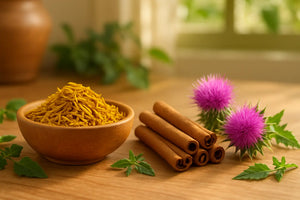
Not to be confused with the more common Cassia cinnamon, Ceylon cinnamon is the variety with a lower coumarin content and a longer history in Ayurvedic use. It is studied for its potential to support post-meal glucose levels and improve the body's insulin response. It also adds practical support for the liver's role in glucose regulation.
Milk Thistle (Silymarin)
Milk Thistle addresses a critical but often overlooked link: liver health. The liver is central to glucose metabolism. When it is under stress (from fatty deposits, alcohol, or processed food overload, common patterns for Indian urban professionals), glucose regulation becomes less efficient. Silymarin supports liver cell function and provides antioxidant activity that may reduce the oxidative stress associated with high blood sugar. Learn more: Gurmar and Blood Sugar Cravings.
Formulation note: Capsules are 100% vegetarian, cellulose-based (not gelatin), and lab-tested. Suitable for vegetarian and vegan diets.
How to Build a Daily Routine for Blood Sugar Balance
Supplements work best inside a routine. Here is a practical framework built specifically for the Indian desk worker's day, not a generic Western wellness template.
Morning
- Before breakfast: A 10-minute walk, even inside the house, activates muscle glucose uptake and sets a better metabolic tone for the day. Non-negotiable if you are WFH.
- Breakfast matters: A protein-forward breakfast (eggs, sprouts, paneer, Greek dahi) slows glucose absorption from the rest of the day's meals. Poha or upma with added vegetables and nuts is far better than plain bread-jam.
- First capsule of Gluco Wise: Take with breakfast, 15 minutes into or just before the meal.
Afternoon
- Lunch timing: Eating between 12:30 and 1:30 PM, rather than delaying to 3 PM, keeps glucose rhythms more stable.
- Portion awareness: A smaller rice portion with more dal, sabzi, and a small bowl of dahi is a practical swap that reduces glycaemic load without making lunch feel like a punishment.
- Post-lunch movement: A 5-minute corridor walk after lunch is enough to meaningfully blunt the post-meal spike. Set a phone reminder.
- Chai check: Try reducing to half a spoon of sugar per cup, or switching to jaggery in small amounts. Two sweet chais per day can add 10 to 15 grams of sugar invisibly.
Evening
- Second capsule of Gluco Wise: Take with or just before dinner.
- Dinner timing: Aim for 7:30 to 8:30 PM where possible. Late metro commuters: eat a small, light meal at home rather than a heavy late dinner. A short 10-minute walk after dinner does significant work.
- Screen-off window: 30 minutes without a screen before sleep improves melatonin and reduces cortisol, both of which directly affect next-morning fasting glucose.
30 / 60 / 90 Day Expectations
30 days: Most users notice better energy stability across the day, fewer post-lunch crashes, and reduced sweet cravings between meals. These are signs of improved glucose regulation. Fasting numbers may not have shifted significantly yet.
60 days: With consistent use alongside meal and movement adjustments, fasting glucose levels often begin to improve. Many users report better sleep quality, which itself further supports metabolic balance.
90 days: This is the window where HbA1c (a 3-month average of blood sugar) may show a meaningful shift. A repeat fasting glucose and HbA1c test at 90 days gives you real data to discuss with your doctor. Consistent supplementation for this full period, combined with the daily routine above, gives the best signal.
Note: Results vary based on baseline health, diet, activity level, and consistency. Gluco Wise supports metabolic wellness as part of a healthy lifestyle. It is not a substitute for medical management if your doctor has recommended medication.
Quora Q&A: What Desk Workers Ask & Share
Indian desk workers are actively asking questions about managing blood sugar naturally. Here is a summary of what real people share, alongside practical context:
- How did you lower your blood sugar naturally? The most consistent answers: cutting white rice portions, adding a post-meal walk, and switching from sugary beverages to plain water or jeera water. Read real experiences here.
- How do you reduce morning blood sugar spikes? Eating a lighter dinner earlier, choosing low-GI foods (oats, ragi, brown rice) for the last meal, and getting 7 hours of sleep are the most cited strategies. Full discussion here.
- What do experts recommend for prediabetics? Consistency over intensity: a daily 20-minute walk beats a weekend gym session for glucose control. Small, frequent meals matter more than any single superfood. More guidance here.
- What exactly is prediabetes and how do you manage it? It is a reversible window. The right food, movement, and supplement support can bring numbers back into the normal range for many people. See the discussion here.
Frequently Asked Questions
Should I take Gluco Wise before or after Indian meals like rice and dal?
Taking berberine-based supplements 15 to 20 minutes before a high-carbohydrate Indian meal (rice, roti, dosa) is the timing most studied for supporting post-meal glucose balance. If that is not practical, taking the capsule at the start of the meal is the next-best option. Taking it long after eating reduces its usefulness for that particular meal. For a typical Indian day with a heavier lunch, prioritise the pre-lunch dose.
Can I take Gluco Wise if I am on thyroid medication or blood pressure tablets?
Berberine may interact with certain thyroid medications and antihypertensives by affecting how the liver processes these drugs. If you are on Thyroxine (Eltroxin), any calcium channel blocker, or ACE inhibitor, please consult your doctor or a qualified Ayurvedic practitioner before starting Gluco Wise. This is standard advice for any supplement taken alongside prescription medication, not a reason to avoid berberine entirely. A doctor can advise on timing gaps between medications and the supplement.
Is Gluco Wise an AYUSH-approved medicine or an FSSAI supplement? Does the difference matter?
Gluco Wise is registered as a dietary supplement under FSSAI (Food Safety and Standards Authority of India), not as an AYUSH-licensed medicine. This distinction matters for how the product is regulated and what claims it can make. An FSSAI supplement supports general wellness and is held to food safety standards. An AYUSH-licensed medicine would need to meet separate manufacturing, efficacy, and labelling standards under the Ministry of AYUSH. Gluco Wise makes no medicinal or disease claims. It supports metabolic wellness as part of a healthy lifestyle.
Does berberine behave differently in summer versus monsoon? Should I adjust my routine?
Ayurvedic seasonal logic (ritucharya) suggests that digestion (agni) tends to be weaker during monsoon and stronger in winter. Practically, this means metabolic support supplements may feel more beneficial during the July-September monsoon window, when many urban Indians also default to heavier, fried comfort food (pakoras, samosas) and reduce outdoor activity. In peak Indian summer, staying well hydrated is particularly important when taking berberine, as mild digestive sensitivity is more likely when dehydrated. There is no need to stop the supplement seasonally. Simply ensure adequate water intake year-round, especially in summer.
Who should NOT take Gluco Wise?
Pregnant and breastfeeding women should not take this supplement without explicit guidance from a registered doctor. Berberine crosses the placental barrier, and its safety in pregnancy has not been established. People who have recently had surgery, those on immunosuppressants, and anyone with a diagnosed liver condition should consult their doctor first. Children and adolescents under 18 should not take this formulation. If you are managing Type 2 diabetes with prescribed medication, berberine may amplify the glucose-lowering effect; please inform your doctor before combining them.
When can I realistically expect to see a change in my fasting glucose numbers?
Fasting glucose numbers typically respond more slowly than energy and craving changes. Most users notice subjective improvements (steadier energy, fewer afternoon crashes) within the first 30 days. A measurable shift in fasting glucose may appear between 60 and 90 days of consistent use. HbA1c, which reflects a 3-month average, is best re-tested at the 90-day mark. Supplement results are always most meaningful when paired with consistent meal and movement habits, not used as a standalone fix.