How Does Turmeric Affect Skin Physiology? Research, Mechanisms, and Safety in Indian Skin Types
Share
How Does Turmeric Affect Skin Physiology? Research, Mechanisms, and Safety in Indian Skin Types
Have you ever noticed how haldi powder—that brilliant yellow spice in Indian kitchens—makes every face mask tingle, every mother reach for it after a scrape, and every wellness trend pop with golden hues? Turmeric (Curcuma longa) isn’t just a flavor or color; it’s a powerful natural ally for skin. People in India have always known the value of turmeric, but now, modern science is uncovering exactly why it works for all types of skin, especially Indian skin that can face concerns like hyperpigmentation, sensitivity, and inflammation.
This blog will help you understand how turmeric (and curcumin, its main compound) affects skin health, the latest research, mechanisms, and safety—with a focus on Indian skin types. Let’s dig deep into the science, ingredients, trends, and smart ways to use turmeric for beautiful, resilient skin.
Table of Content
- Ingredients Deep Dive: Turmeric and Friends
- How Turmeric Affects Skin Physiology
- Mechanisms of Action: What Makes Curcumin Special?
- Latest Research on Indian Skin Types
- Ouora QnA: Expert & Community Insights
- Related Daily All Day Products
- Safety Considerations for Indian Skin
- Frequently Asked Questions
1. Ingredients Deep Dive: Turmeric and Friends
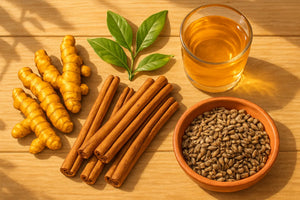
- Turmeric (Curcuma longa): The root is dried and ground into turmeric powder (haldi powder). Main active ingredient is curcumin.
- Curcumin: The most studied bioactive in turmeric; gives the spice its yellow color and delivers anti-inflammatory and antioxidant effects.
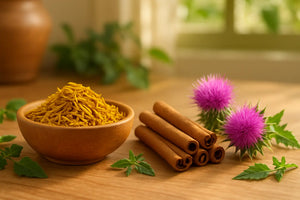
- Other traditional forms: Black turmeric (kali haldi), kasturi haldi (aromatic turmeric), amba haldi (mango ginger), white turmeric (white haldi).
- Bioenhancers: Piperine from black pepper increases curcumin absorption.
Popular Trend Ingredients with Turmeric:
- Amla (Indian gooseberry): Supports antioxidant effects.
- Boswellia Serrata: Used for joint and skin inflammation (learn more about Boswellia Serrata).
- Triphala: Blends amla, bibhitaki, haritaki for gut and skin health (see details below).
2. How Turmeric Affects Skin Physiology
Turmeric and curcumin work on the skin in several impressive ways:
- Reduces pimples and acne: Its antimicrobial power fights bacteria and soothes inflammation. ([2])
- Slows skin aging: Helps prevent wrinkles and sagging by reducing free radical damage. ([3])
- Improves hydration: Makes skin look glossier and less dry, as seen in trials with women over 60 days.
- Reduces facial blemishes and redness: Helpful for skin prone to rosacea or uneven tone. ([3])
- Enhances glow: Some studies even show a visible (often temporary) yellow tint, adding to the ‘healthy golden glow’ effect.
Pet owners and aquaculture farmers know that curcumin even improves mucosal skin immunity in fish, showing its powerful natural defense-boosting abilities ([4]).
3. Mechanisms of Action: What Makes Curcumin Special?
- Anti-Inflammatory: Blocks harmful compounds in the skin, especially pro-inflammatory cytokines that cause redness, itching, and swelling ([2]).
- Antioxidant: Curcumin fights free radicals, protecting your cells from damage and slowing down the aging process ([5]).
- Wound Healing: Helps skin cells repair and boosts collagen, making cuts or sunburn heal faster ([2]).
- Antimicrobial: Stops the growth of acne and infection-causing germs on skin.
- Skin gene regulation: Stimulates cytoprotective (cell-defending) genes and reduces inflammatory ones when taken as a supplement ([5]).
4. Latest Research on Indian Skin Types
Clinical Studies & Findings:
- Facial improvement: Taking 250mg turmeric (with 60% curcuminoids) daily improved moisture, glow, and decreased spots in women in just 2 months ([3]).
- Less redness (rosacea): Creams containing turmeric reduced visible redness by 40% in trials.
- Permanent coloration: Regular topical turmeric can make the skin slightly more yellow, which some find desirable, others might not ([6]).
- Less inflammation after UV: In healthy adults, oral curcumin reduced inflammatory gene activity even after sun exposure ([5]).
- Immunity boost: Curcumin increases protective skin enzymes and reduces the risk of chronic skin issues ([4]).
5. Ouora QnA: Expert & Community Insights
What do real users and skin specialists say about turmeric? Here’s what’s trending on Quora:
- “Turmeric calms inflammation, prevents wrinkles, and reduces hyperpigmentation.” (source)
- It has “anti-bacterial, antiseptic, and anti-inflammatory properties that penetrate your skin through the pores and fights acne.” (source)
- “Turmeric is used to diminish wrinkles, keep skin supple, and improve elasticity.” (source)
- Raw turmeric (kacchi haldi) is especially valued for skin soothing and clearing blemishes. (source)
- Applying turmeric can “help reduce inflammation, redness, and swelling, especially for inflammatory skin conditions.” (source)
6. Our Products Related to Turmeric Skin & Health
- Daily All Day Joint Care (60 capsules) – Rich in organic turmeric root extract (345mg per capsule), high-potency curcumin (150mg, 95% curcuminoids), Boswellia Serrata, and black pepper (piperine) for maximum absorption. This vegetarian, plant-based blend reduces joint pain, supports skin, fights inflammation and arthritis, and helps with flexibility. Learn more & buy here.
- Daily All Day Triphala 1:2:3 (120 Tablets) – Contains amla, baheda, and harad in the traditional Ayurvedic 1:2:3 ratio. Known for cleansing the gut and improving skin from within. Reduces bloating, aids digestion, detoxifies and promotes a natural glow. Learn more & buy here.
- For deeper science on Indian superfoods and ingredient power for joint, gut, and skin wellbeing, check out our blog: Ghee, Butter, Turmeric: Scientific Facts and Misunderstandings.
7. Safety Considerations for Indian Skin
-
Skin allergies: Some may get itching, redness, or rashes from either oral or topical turmeric use.
Tip: Always patch-test before broad use, especially if you have sensitive skin (source). - Yellow coloring: Regular direct use on skin can lead to harmless yellow stains or deeper complexion shifts, which are temporary for most, but may bother some ([6]).
- Stomach upsets: High oral doses might cause loose motions or nausea. Stick to recommended limits.
- Drug interactions: Talk to your doctor if you’re taking blood-thinning medicines—curcumin can interact.
- Pregnancy/lactation: Avoid concentrated supplements if pregnant or breastfeeding (food uses are generally safe).
- Consult before use: If you have major skin issues or chronic diseases, see a doctor before starting new remedies.
Frequently Asked Questions
-
What makes turmeric different from curcumin or haldi powder?
Turmeric is the root itself (haldi), while curcumin is the highest-potency yellow component that most research focuses on. Raw and wild forms (like kali haldi or amba haldi) are also used in Ayurveda for special skin issues. -
How do I safely use turmeric for my skin at home?
Mix a pinch of haldi powder with curd, honey, or besan for a simple mask. Always patch-test before applying to all your face. For inside-out benefits, consider trusted supplements. -
Can turmeric help with hyperpigmentation and pimples?
Yes, by reducing inflammation and stopping microbial growth, turmeric can help lighten dark spots and prevent recurrent pimples [4]. -
Are there risks if I have highly sensitive skin?
If your skin is extremely sensitive or you have allergies, always consult a dermatologist before using turmeric, especially in concentrated forms. -
What time of day should I use turmeric products?
Face packs are best in the evening, while oral supplements like Daily All Day Joint Care or Triphala work best post-meals, morning and evening.
Explore More Health & Skin Science:
- High-Fiber Indian Foods for Gut Health and Skin
- Triphala, Digestion, and Microbiome Benefits
- Ayurvedic Herbs for Weight Loss & Skin Glow
Conclusion
Turmeric (Curcuma longa) is much more than just the haldi powder found in every Indian kitchen. Its core compound, curcumin, makes it an excellent natural aid for skin health—reducing inflammation, fighting signs of aging, improving hydration, and even supporting the body’s defenses against harmful microorganisms. Scientific studies have shown that both oral and topical turmeric treatments can noticeably improve skin quality, hydration, and appearance, particularly for Indian skin types, which often face unique issues like hyperpigmentation or sensitivity.
When used properly, through trusted products and Ayurvedic guidance (like Daily All Day Joint Care or Triphala 1:2:3 formulas), it supports healthy skin from both inside and out. While turmeric is generally safe, users should watch for allergies, colored staining, and rare digestive side effects. Always discuss with a healthcare professional before starting new supplements, and remember that a holistic approach—good food, lifestyle, and trusted products—is the best way forward for glowing, resilient skin.
Key studies and resources:
- Research on turmeric’s influence on skin cells and immune response ([1], [2], [3], [4]).
- Insights on oral curcumin supplements and skin gene regulation ([5]).
- Skincare, lifestyle and Ayurvedic combinations matter: consider natural blends like Triphala 1:2:3 or explore health blogs at Daily All Day for more tips.