Millets: The Ancient Superfood Your Grandparents Were Right About!
Remember visiting your grandparents and eating those simple, wholesome meals that always made you feel so good? Chances are, their secret ingredient wasn't some fancy, imported superfood, but something that grew right in our own backyards: millets. For years, these tiny grains were the backbone of Indian diets, but they somehow got overshadowed by wheat and rice. Now, the world is waking up to what our elders knew all along. The year 2023 was even declared the International Year of Millets! So, let's explore what are millets and why these ancient grains are making a huge comeback.
What Exactly Are Millets? Is Wheat a Millet?
Let's clear up a common confusion first. Millets are a group of small-seeded grasses, widely grown around the world as cereal crops. Think of them as a family of grains. A common question people ask is, "is wheat a millet?" The answer is no. Wheat, rice, and corn are different types of cereal grains. Millets are unique because they are often hardier, more drought-resistant, and packed with a different nutritional profile.
They are gluten-free by nature, making them a fantastic option for people with gluten sensitivities or celiac disease. They are a treasure trove of nutrients, including fiber, protein, vitamins, and minerals.
A Guide to Common Millets Types in India
India is home to a wonderful variety of millets, each with its own name and benefits. You might know them by different names depending on where you live.
- Finger Millet (Ragi): Known as ragi finger millet, this is a powerhouse of calcium. In Hindi, it's called ragi millet in hindi, and it's famous for making ragi balls and porridge.
- Pearl Millet (Bajra): This is one of the most common millets. You'll hear it called bajra pearl millet. In Tamil, it's 'Kambu', and 'Sajjalu' in Telugu. Bajra in Kannada is also a common search. It's rich in iron and protein.
- Foxtail Millet: This looks like a tiny grain of rice. It's known as 'Kangni' in Hindi, 'Thinai' (fox tail millet in tamil), 'Korralu' (foxtail millet in telugu), and 'Navane' (foxtail millet in kannada).
- Sorghum Millet (Jowar): Often used to make rotis (bhakri), millet and sorghum are staples in many Indian households.
- Barnyard Millet: A fast-growing crop, it's called 'Sanwa' or 'Jhangora' in Hindi. You might look it up as barnyard millet in tamil ('Kuthiraivali'), barnyard millet in telugu ('Odalu'), or barnyard millet in kannada ('Oodalu').
- Kodo Millet: Known as 'Kodra' in Hindi, 'Varagu' in Tamil (kodo millet in tamil), and 'Arikelu' in Telugu (kodo millet in telugu).
- Little Millet: Called 'Kutki' in Hindi, 'Samai' in Tamil (little millet in tamil), and 'Samalu' in Telugu (little millet in telugu).
- Proso Millet (Broomcorn Millet): Known as 'Chena' or 'Barri' in Hindi, it's valued for its short growing season.
Ingredients Deep Dive: The Health Benefits of Millets
Millets aren't just food; they are medicine for the body. Their high fiber content is a game-changer for our digestive system. They act like a broom, cleaning out your intestines and keeping things moving smoothly. This helps prevent constipation and promotes a healthy gut environment. A healthy gut is the foundation of overall wellness!
How Does Millet Help in Digestion? A Quora Q&A
People are curious about this, and for good reason! Here's a question answered on Quora that explains it perfectly:
Question: How does millet help in digestion?
Answer: "Millet also has prebiotics, which stimulate the growth of probiotics within the microbiome. This is important for gut health and the immune system in general." - Source: Quora
In simple terms, the fiber in millets acts as food (prebiotics) for the good bacteria (probiotics) in your stomach. When these good bacteria thrive, your digestion improves, your immunity gets stronger, and you just feel better overall.
Millets for Blood Sugar and Beyond: A Helping Hand
One of the biggest advantages of millets is their low glycemic index (GI). This means they release sugar into the bloodstream slowly, preventing those sudden spikes and crashes that you get from refined grains. This makes them an excellent food for managing blood sugar levels and is beneficial for people with diabetes.
For those looking for comprehensive support in managing blood sugar and cholesterol, diet is the first step. To complement a healthy diet, a natural supplement can be very effective. Daily All Day Gluco Wise is designed for this very purpose.
Introducing: Daily All Day Gluco Wise (90 Capsules)
This supplement is a rare and powerful combination of ingredients aimed at supporting your metabolic health.
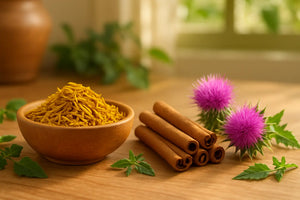
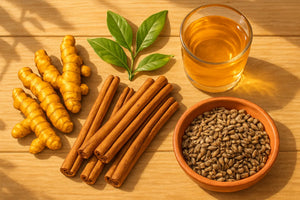
- Key Ingredients: It contains Berberis Aristata (Daruhaldi), Ceylon Cinnamon (Dalchini), and Milk Thistle.
-
How it Helps:
- Manages Blood Sugar: Berberine and Cinnamon are known to help regulate insulin and balance fasting sugar levels.
- Supports Heart Health: It helps promote healthy cholesterol levels.
- Improves Liver Health: Milk Thistle is a star ingredient for liver detoxification and can help manage fatty liver.
- Unique Point: The blend of Berberine, Cinnamon, and Milk Thistle offers holistic support for diabetes, cholesterol, and liver health, all in one. Our capsules are 100% plant-based and vegetarian.
- How to Use: Take 2 capsules daily after meals for best results.
You can learn more about it here: Daily All Day Gluco Wise
Millets for Energy and Overall Wellness
Millets are packed with essential nutrients like magnesium, phosphorus, iron, and B vitamins. These nutrients are crucial for producing energy, maintaining healthy nerves, and forming red blood cells. If you often feel tired or weak, incorporating millets can give you a natural energy boost.
However, modern life and diets can sometimes leave nutritional gaps. Even with a healthy diet, it can be hard to get every single nutrient your body needs. This is where a high-quality multivitamin can provide that safety net. For comprehensive nutritional support, check out the Ultimate Guide to Multivitamins.
Introducing: Daily All Day Vita Blend (120 Tablets)
This isn't just a multivitamin; it's a complete wellness formula designed to fill those nutritional gaps and boost your vitality.
- Key Ingredients: It features a blend of 23 essential vitamins and minerals, plus 23 powerful Ayurvedic herbs like Ashwagandha, Moringa, and Panax Ginseng.
-
How it Helps:
- Boosts Immunity & Energy: Strengthens your body's defenses and provides sustained energy.
- Enhances Strength: Supports muscle strength and endurance.
- Improves Gut Health: Promotes healthy digestion and nutrient absorption.
- Supports Overall Health: From clearer skin to a stronger body, it nourishes you from the inside out.
- Unique Point: Its synergistic formulation of over 40 nutrients and herbs, including rare ones like Panax Ginseng and Sea Buckthorn, makes it a powerhouse of health.
- How to Use: Take 2 tablets daily after meals.
You can learn more about it here: Daily All Day Vita Blend
Frequently Asked Questions
- 1. What are millets and why are they called superfoods?
- Millets are a group of small-grained cereals that are rich in nutrients like fiber, protein, vitamins, and minerals. They are called superfoods because they are gluten-free, have a low glycemic index, are easy to digest, and offer numerous health benefits, including improved heart health, digestion, and blood sugar control.
- 2. Which type of millet is best for weight loss?
- Most millets are great for weight loss due to their high fiber content, which keeps you feeling full for longer. Foxtail millet, Finger Millet (Ragi), and Pearl Millet (Bajra) are excellent choices as they are rich in protein and complex carbohydrates that provide sustained energy and prevent overeating.
- 3. How do millets help in managing diabetes?
- Millets have a low glycemic index (GI), meaning they don't cause rapid spikes in blood sugar levels. The high fiber content slows down the absorption of sugar into the bloodstream. This makes them an ideal grain for people with diabetes to help manage their blood sugar levels naturally.
- 4. Can I eat millets every day?
- Yes, you can definitely eat millets every day. It's a great practice to rotate different types of millets throughout the week to get a wide range of nutrients. For example, you could have ragi porridge for breakfast one day, jowar roti for lunch another, and a millet idli for dinner. Variety is key!
- 5. What is the difference between quinoa and millet?
- While both are ancient, gluten-free grains, there are some differences. Quinoa is technically a seed and is a complete protein, meaning it contains all nine essential amino acids. Millets are cereal grains and are typically more affordable and locally grown in India. In the quinoa vs millet debate, both are healthy choices, but millets are often a more sustainable and traditional option for the Indian diet.

The Takeaway: Embrace the Millet Magic
So, we've journeyed back in time to rediscover the incredible power of millets. From your grandmother's kitchen to modern superfood shelves, these tiny grains pack a massive punch. They are not just food; they are a ticket to better digestion, stable blood sugar, a healthier heart, and a body brimming with energy. Whether you're enjoying a comforting bowl of ragi porridge or a crispy millet dosa, you're nourishing your body in the best way possible.
Remember, a healthy lifestyle is a holistic journey. Adding millets to your diet is a fantastic step. To give your body an extra edge, especially when managing specific health goals like blood sugar or filling nutritional gaps, targeted support can make all the difference. That's where supplements like Daily All Day Gluco Wise come in, with its powerful blend of Berberine, Cinnamon, and Milk Thistle to support your metabolic health. And for ensuring you get all the essential nutrients your body craves, the Daily All Day Vita Blend offers a comprehensive mix of over 40 vitamins, minerals, and herbs.
Start your millet journey today. Your body, especially your gut, will thank you for it. It's time to make these ancient grains a modern staple for a healthier, happier you!