Protein Gaps in Traditional Wheat-Based Meals
Share
Table of Contents
- Understanding the Story: The Wheat Plate
- Wheat Proteins: What’s Missing?
- Ingredients Deep Dive
- How Technology Can Help
- Wheat Bran, Fiber, and Protein Quality
- Supplements for Nutrition Gaps
- Quora Q&A Summary: Wheat and Protein
- Frequently Asked Questions
Understanding the Story: The Wheat Plate
In India and in many parts of the world, wheat-based meals are everywhere—roti, atta bread, whole grain wheat bread, and even khapli wheat chapati. Whether it’s multi grain bread for breakfast or whole wheat pasta for dinner, families depend on wheat as a primary source of energy and nutrition. But here’s the interesting part—while these meals fill you up, they might not fill all your protein needs.
Why? Because the protein in wheat is mostly gluten—a mix of gliadin and glutenin. This protein is not as “complete” or easy to absorb as what you get from a mix of other plant-based or animal foods, especially if you’re aiming for full-body growth and recovery.
For those checking wheat rates (wheat price in Haryana 2025, msp of wheat 2025-26), or eating new types like durum wheat or khapli wheat, the one thing that barely changes is the protein quality—most wheat is similar here.
Wheat Proteins: What’s Missing?
- Wheat is famous for gluten. But what is gluten exactly?
- Gluten is made of two protein families: glutenin and gliadin (Quora).
These proteins give dough its chewy texture and let your wheat bread or atta cake fluff up. - But, the protein is not “complete” like the protein in milk, soy, or egg. It means wheat protein is missing some important amino acids (the building blocks your muscles, skin, and hair need)
Keep in mind—just because whole wheat flour or durum wheat semolina has more protein than rice, doesn’t mean it gives all the building blocks your body asks for.
- If you eat only wheat rotis or even whole wheat toast, you might find a protein gap—especially as you grow, recover from illness, or want strong hair and bones.
More on protein in wheat on Quora.
Ingredients Deep Dive
The Science of Wheat Protein
- Wheat protein comes almost entirely from gluten (gliadin + glutenin), which is found in all wheat products—atta, semolina, bread, even wheat pasta[3].
- Is wheat protein isolate healthy? According to Quora, wheat protein isolate has SOME of every needed amino acid, but not in the best ratios for human growth and repair. It’s considered “incomplete”.
- Absorption matters! Some people think we cannot use gluten protein properly. While that is partly myth, wheat protein IS harder for our bodies to use than, say, milk or soy, unless you mix it with other protein sources.
Read more detailed studies on gluten structure and absorption: [2].
Wheat grains also contain water-extractable arabinoxylan (WE-AX)—a fiber with health benefits and an impact on how the gluten behaves when mixed and cooked. Some modern research is discovering new genes like TaqW-6AS which affect WE-AX, further changing the protein and fiber content in wheat[6].
All About Wheat Varieties
- Khapli wheat and normal wheat—the protein difference is minor, unless you eat huge amounts of khapli wheat (which can be more expensive; see khapli wheat price trends).
- Durum wheat– mostly used in pasta and semolina, and in broken wheat for porridge.
Traditional vs. Modern Processing
- Latest technology like electrostatic separation can extract and concentrate more protein from wheat flour [2].
- Example: Ultrafine milling + electrostatic separation gives a wheat flour with higher protein, but this is rare in household kitchens or local mills.
- Most regular aashirvaad atta, pillsbury atta, or even home-ground whole flour will contain 8–12% protein, still incomplete as a protein source for most people.
How Technology Can Help Your Protein Intake
- Researchers are improving wheat farming and even discovering new wheat genes to boost nutritious parts like WE-AX (fiber) and possibly improve the protein make-up[6].
- Foliar sprays—like asparagine or glycine—can help wheat plants absorb less harmful elements (like cadmium) and improve their nutrient balance and grain yields. This means future wheat might be just a little healthier[5].
- But until these new wheat varieties become common, it is best not to depend on wheat as your ONLY protein source.
Wheat Bran, Fiber, and Protein Quality
- Adding wheat bran (the outside layer of wheat grain) to doughs increases the fiber—a good thing for gut health! But it can also change the protein structure, especially when combined with sourdough or yeast fermentation.
Bran reduces the quality and usability of gluten protein, making the dough less elastic and more fragile[3]. - That’s why whole flour breads or bran-rich foods might have more fiber, but they don’t have a higher “usable” protein level for the body.
Supplements to Fill Nutrition Gaps
For those with special nutrition needs (like people managing diabetes, higher cholesterol, or needing a liver detox), even fancy whole wheat, wheat bran, or durum breads might not be enough. Here, science-backed supplements can help!
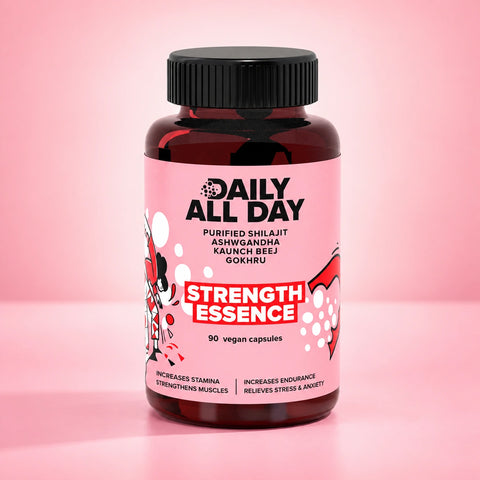
Daily All Day Gluco Wise (90 Capsules)
-
Key Ingredients:
- Berberis Aristata (Daruhaldi): Supports blood sugar balance and liver health
- Ceylon Cinnamon (Dalchini): Helps lower fasting sugar, improves metabolism, and gives antioxidant support
- Milk Thistle (90% extract): Supports liver detox and helps lower cholesterol
-
How does it help?
- Fights oxidative stress—helpful if you eat a lot of packaged or refined foods
- Balances blood sugar and improves cholesterol
- Gives your body anti-inflammatory boosts, helping in recovery and wellness
- Vegan and plant-based capsules (read details)
This supplement is best taken after meals (1 each in morning & night).
For best results, always combine supplements with a protein-rich, balanced diet! If your diet is high in wheat, add protein from pulses, nuts, dairy, or explore high-protein tribal diet tips here.
Quora QnA on Wheat Protein
-
Why is wheat gluten very high in protein?
- Gluten IS the protein in wheat. It is made from glutenins and gliadins.
Read the answer
- Gluten IS the protein in wheat. It is made from glutenins and gliadins.
-
Can our bodies absorb protein from wheat sources (gluten)?
- We absorb SOME protein, but the amino acid profile and digestibility is not perfect.
Read details here
- We absorb SOME protein, but the amino acid profile and digestibility is not perfect.
-
What type of protein do we find in wheat flour?
- Plant proteins: Gliadin and Glutenin, which form gluten when water is added.
More info
- Plant proteins: Gliadin and Glutenin, which form gluten when water is added.
-
Is wheat protein isolate a 'complete protein'?
- No, it's not—incomplete for human body needs, especially for growth.
See reasoning
- No, it's not—incomplete for human body needs, especially for growth.
-
Is whole wheat pasta an adequate source of protein?
- 2 servings provide about 15g protein—enough for a small meal but still incomplete compared to mixed sources.
Details on Quora
- 2 servings provide about 15g protein—enough for a small meal but still incomplete compared to mixed sources.
Frequently Asked Questions
-
Is wheat a good protein source?
Wheat contains gluten proteins that provide some amino acids, but it is not a complete protein source. It’s best to eat wheat with other protein-rich foods for a balanced diet. -
Can I build muscle just by eating whole wheat breads?
No. While whole wheat grain and multi grain bread do contain protein, their amino acid composition is incomplete for effective muscle building. -
Do supplements really help fill protein gaps?
Supplements can help, but they work best with a balanced diet. Products like Daily All Day Gluco Wise target more than just protein—they also support blood sugar, cholesterol, and liver health. -
Is wheat bran important?
Wheat bran adds fiber, which is great for gut health. But it can reduce the quality of gluten protein in dough, affecting nutritional value. -
What is the safe way to get enough protein in a wheat-based diet?
Eat a mix of foods: Add lentils, nuts, seeds, or clean dairy alongside wheat foods. Consider reading about protein and vitamin D deficiency and macronutrient vs micronutrient gaps for more guidance.
Conclusion
Many Indian meals depend heavily on wheat flour, wheat bread, and even popular wheat-based varieties like khapli wheat, durum wheat, and whole wheat pasta. While wheat does provide some protein through its gluten proteins (gliadin and glutenin), it is not a complete or highly efficient source for daily protein needs. Even though techniques like electrostatic separation can increase protein concentration in wheat flour, the quality of this protein—meaning the amino acid profile—often falls short compared to animal or mixed plant proteins [2].Adding other protein-rich foods or carefully formulated supplements yields much better nourishment, especially for people with higher protein demands.
Ingredients like wheat bran add valuable fiber, but they can sometimes impact the structure and usability of gluten proteins, affecting both texture and nutritional value of foods [3]. For those who rely on plant-based diets or have specific needs like blood sugar control and enhanced metabolism, products such as Daily All Day Gluco Wise (90 Capsules)—powered by Berberine, Cinnamon, and Milk Thistle—can offer holistic support for not just protein gaps, but also healthy cholesterol, liver function, and diabetes management. Always blend such supplements with a balanced eating pattern and diverse diet.
To learn more about protein gaps, nutrient deficiencies, and tips for better nutrition, check out our blogs on balanced diet and protein deficiency in India and macro vs. micronutrient gaps. Consider these insights while choosing wheat products like whole wheat flour, multigrain bread, or even popular choices like khapli atta and aashirvaad atta.
[6] [5] [1]