Why Indians Are Experiencing More Thyroid Problems Than Before
It often starts quietly. A little more tiredness than usual, hair falling out more in the shower, or clothes feeling a bit snugger even when you haven’t changed your diet. For millions in India, these small signs are the first whispers of a growing health concern: thyroid problems. Once considered a less common issue, thyroid disorders have become a household name, affecting everyone from young adults to the elderly. But why is this tiny, butterfly-shaped gland in our neck suddenly causing so much trouble for so many people across the country? It's not just one thing, but a perfect storm of changing lifestyles, environmental factors, and even our own immune systems turning against us.
The Silent Epidemic: Just How Common Are Thyroid Problems in India?
The numbers are startling. It's estimated that around 42 million people in India are living with some form of thyroid disease.[1] That’s more than the entire population of many countries! Hypothyroidism, where the thyroid gland is underactive, is the most common culprit. This surge isn't just a story told in statistics; it's a reality unfolding in clinics and homes everywhere. From discussions on what is a thyroid disorder ICD 10 code in medical circles to family members sharing tips on “thyroid ko kaise theek karen,” the conversation is growing louder because the problem is touching more lives than ever before.
The Great Shift: From Iodine Deficiency to Autoimmune Battles
For decades, the biggest thyroid-related challenge in India was goiter, a swelling in the neck caused by iodine deficiency. Thanks to the widespread use of iodized salt, we have largely won that battle.[2] But as one problem faded, another has risen to take its place: autoimmune thyroid disease. [3]
Conditions like Hashimoto's thyroiditis (which causes hypothyroidism) and Graves' disease (which causes hyperthyroidism) are now the leading drivers of thyroid disorders. In these conditions, the body's own immune system mistakenly attacks the thyroid gland. It seems that as we solved the nutritional deficiency, our bodies revealed an underlying tendency for our immune systems to go haywire.
Are We Sicker, or Just Better at Finding It?
Part of the reason we're seeing more thyroid cases is simply that we're looking for them more effectively. In the past, someone might have just been told they were "feeling low" or "putting on age-related weight." Today, awareness is higher.
- Better Testing: Thyroid function tests are now routine. More people have access to blood tests and ultrasounds, especially in cities.
- Increased Awareness: Events like World Thyroid Day have brought the symptoms into the public eye. People are more likely to ask their doctors about fatigue and weight gain instead of just accepting them.
- Incidental Findings: Sometimes, a thyroid nodule (ICD 10) or a TIRADS 3 thyroid nodule is found by chance during a scan for something else. This early detection adds to the statistics but also allows for timely treatment.
The Modern Indian Lifestyle: A Recipe for Thyroid Trouble?
Our daily lives have changed dramatically in the last few decades, and our thyroids are feeling the strain. The rapid shift towards urban living has brought with it a host of challenges that directly impact hormonal health.
Stress, Sleep, and Sedentary Habits
Chronic stress, a hallmark of modern life for many in high-pressure jobs, floods the body with the stress hormone cortisol. High cortisol levels can interfere with thyroid hormone production, slowing it down. Add to this a lack of physical activity and poor sleep, and you have a perfect environment for a sluggish thyroid. Many young professionals, especially in tech hubs, are now facing deficiencies in essential nutrients like Vitamin B12 and D, which further complicates matters.
What’s on Our Plate? Diet and a Strained Thyroid
Our traditional diets are being replaced by processed, packaged, and fast foods. These foods are often low in essential minerals like selenium, zinc, and iron, which the thyroid needs to function properly.[4] Moreover, diets high in sugar and refined carbs can lead to inflammation and disrupt the delicate balance of hormones that control metabolism. A struggling digestive system, often a result of poor dietary choices, can also impact thyroid health, highlighting the importance of good gut health.
Hidden Culprits: Environmental Toxins and Hormonal Swings
We are constantly exposed to chemicals in our air, water, and food that can act as endocrine disruptors. This means they can interfere with our body's hormones, including thyroid hormones. Pesticides, industrial chemicals, and even certain plastics can all play a role in disrupting thyroid function.
Furthermore, women are up to eight times more likely than men to develop thyroid problems. This is largely due to hormonal fluctuations during key life stages like puberty, pregnancy, and menopause. These natural shifts can trigger underlying autoimmune conditions, making women particularly vulnerable.
Insights from Quora: What Are People Saying?
Online forums like Quora are buzzing with discussions about this health trend. Here's a glimpse of what people are asking and sharing:
- Why is thyroid disease so common now in India? One user points out, "Increased amount of toxins in our food (pesticides, additives, etc.), air (power plants, vehicle exhaust), water (pouring waste), environment." This aligns perfectly with the growing concern over environmental endocrine disruptors.
- Can thyroid problems cause irregular periods? An expert on EmpowerHer Q&A confirms, "Heavy or irregular periods can be caused by a variety of factors, including...thyroid problems." This highlights the deep connection between thyroid health and female reproductive hormones.
Taking Control: A Holistic Approach to Thyroid Wellness
While medical treatments like levothyroxine or, in some cases, radioactive iodine therapy are essential for managing thyroid disease,[5] a holistic approach that addresses the root causes is crucial for long-term well-being. This involves supporting your body's overall function, particularly metabolism and digestion.
Supporting Your Metabolism and Liver
Thyroid disorders often go hand-in-hand with metabolic issues like high cholesterol and unstable blood sugar. Your liver also plays a key role in converting thyroid hormones into their active form. Supporting these systems is vital. The Daily All Day Gluco Wise is designed for this very purpose. Its unique blend of Berberis Aristata, Ceylon Cinnamon, and Milk Thistle offers comprehensive metabolic support.
The Gut-Thyroid Connection
Did you know that a healthy gut is essential for a healthy thyroid? Poor digestion, constipation, and an imbalance in gut bacteria can lead to inflammation and hinder the absorption of key nutrients. Ensuring your digestive system is clean and efficient is a non-negotiable step. Daily All Day Triphala 1:2:3, based on a traditional Ayurvedic formula, is a gentle yet powerful cleanser that supports colon health, relieves constipation, and helps detoxify the body.
Ingredients Deep Dive
For Daily All Day Gluco Wise
- Berberis Aristata (Daruhaldi): This powerful herb has been shown to support healthy blood sugar levels and promote liver health, addressing two key areas often impacted by thyroid dysfunction.
- Ceylon Cinnamon (Dalchini): Not just a spice, this ingredient helps regulate insulin levels and improves overall metabolism, which can become sluggish with an underactive thyroid.
- Milk Thistle: A champion for liver health, Milk Thistle aids in detoxification. A happy liver is crucial for activating thyroid hormones and managing cholesterol.
For Daily All Day Triphala 1:2:3
- Amla: Rich in Vitamin C, it’s a powerful antioxidant that boosts immunity and helps combat inflammation.
- Baheda: Known for its detoxifying properties, it helps cleanse the blood and supports the respiratory system.
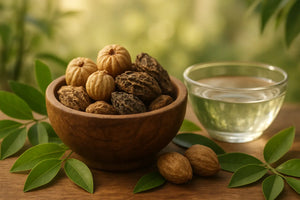
- Harad: A natural laxative, it improves digestion, relieves constipation, and ensures your gut is functioning smoothly, which is critical for hormonal balance. For more on Triphala, check our guide on Triphala's benefits.
Frequently Asked Questions
- 1. What are the most common symptoms of a thyroid problem?
- For hypothyroidism (underactive thyroid), common symptoms include fatigue, weight gain, hair loss, dry skin, constipation, and feeling cold. For hyperthyroidism (overactive thyroid), you might experience weight loss, anxiety, rapid heartbeat, tremors, and heat intolerance.
- 2. Can thyroid problems be cured permanently?
- While autoimmune thyroid conditions like Hashimoto's are chronic, they can be managed very effectively with medication and lifestyle changes. The goal is to restore normal hormone levels and manage symptoms so you can live a full, healthy life. Some videos, like “Cure Thyroid Problem Permanently in 4 Steps,” suggest lifestyle protocols that can significantly improve outcomes.
- 3. How is diet related to thyroid health?
- Diet is crucial. The thyroid needs nutrients like iodine, selenium, and zinc to produce hormones. A diet rich in whole foods—fruits, vegetables, lean proteins, and healthy fats—is supportive. Conversely, a diet high in processed foods, sugar, and gluten (for some people) can trigger inflammation and worsen symptoms.
- 4. Can stress really cause thyroid problems?
- Yes, chronic stress can be a major trigger. The stress hormone cortisol can interfere with the conversion of inactive thyroid hormone (T4) to the active form (T3), leading to symptoms of hypothyroidism even if TSH levels look normal. Managing stress through practices like yoga, meditation, and adequate sleep is vital. Herbs like Ashwagandha can also be beneficial for stress management.
- 5. Why are regular check-ups important?
- Thyroid problems can develop slowly, and symptoms can be vague. Regular check-ups and blood tests can help detect issues early before they become severe. This is especially important for people with a family history of thyroid disorders or other autoimmune conditions.[6]

The Takeaway: Your Health Is in Your Hands
The rise in thyroid problems in India isn't due to a single cause but a web of interconnected factors. We've moved past the era of simple iodine deficiency into a more complex world of autoimmune conditions, lifestyle pressures, and environmental triggers. Better awareness and diagnostic tools mean we're catching these issues earlier, but our modern lives—filled with stress, processed foods, and sedentary habits—are undeniably fanning the flames. [1]
Understanding this new reality is the first step toward taking control. It’s about more than just medication; it’s about embracing a holistic lifestyle. This means managing stress, eating nutrient-rich foods, staying active, and paying attention to your body's signals. A healthy metabolism and a clean gut are the foundations of good hormonal health. While diet and exercise are key, supporting your body with the right natural supplements can make a significant difference. Products like Daily All Day Gluco Wise can help manage the metabolic imbalances often seen with thyroid issues, supporting healthy blood sugar and cholesterol levels. Similarly, Daily All Day Triphala 1:2:3 promotes excellent gut health, ensuring your body can detoxify properly and absorb the nutrients it needs to function well. By making conscious choices every day, you can build a stronger foundation for your thyroid and overall well-being. After all, a healthy thyroid is a cornerstone of a vibrant, energetic life.