Winter Immunity Drops in India: Is Diet Enough?
Share
Winter Immunity Drops in India: Is Diet Enough?
Have you noticed how every winter, more people around you get sick? Cold winds blow across India, noses start running, coughs get louder, and it feels like even your energy takes a dip. This isn’t just a coincidence! The winter months challenge your immunity more than any other time of the year, making many wonder: Is eating healthy food enough or do you need something more?
Table of Contents
- Immunity: What Is It and Why Does It Drop in Winter?
- Why Does Immunity Drop in Indian Winters?
- Winter Diet for Immunity: What Actually Helps?
- Ingredients Deep Dive: How Nutrients Raise Immunity
- Quora QnA: Real People, Real Solutions
- Is Diet Alone Enough? Lifestyle Matters Too
- Daily All Day: Filling the Gaps Naturally
- Frequently Asked Questions
Immunity: What Is It and Why Does It Drop in Winter?
Immunity (Also called immunity system or "cellular immunity") is your body’s security guard. It protects you from bacteria, viruses, and other invaders. This protection happens in two main ways:
- Innate Immunity: The defense you’re born with. Like your skin, mucus, and some immune cells.
- Acquired Immunity: Develops as you grow, thanks to exposure or vaccines (like the pneumococcal vaccine, influenza vaccination, and newborn vaccines).
But in winter, the system weakens. Shorter sunlight reduces your vitamin D; cold weather stresses the body. Even the food you eat can change, often for the worse!
Why Does Immunity Drop in Indian Winters?
Several reasons make you more vulnerable to colds, coughs, and infections in winter:
- Colder Temperatures: Blood vessels shrink, reducing protection at your body’s entry points (mucous membranes).
- Less Sunlight: Makes Vitamin D drop. Low vitamin D can seriously weaken your immune defense [1] [2].
- Diet Changes: Craving fried and oily food, fewer fresh veggies and fruits.
- Reduced Physical Activity: Cold keeps people inside, less exercise.
- Stress and Poor Sleep: Exam blues, year-end deadlines, and less routine sleep harm immune cells like B cells and T cells.
Winter Diet for Immunity: What Actually Helps?
A diet full of natural foods, especially plant-based, supports both humoral immunity and cell mediated immunity:
- Garlic: Kills germs, reduces fat, can fight colds and the flu.
- Ginger: Full of anti-inflammatory compounds—soothes throat, helps digestion.
- Green Leafy Vegetables: Spinach, methi, sarson—jam-packed with iron and vitamin C [3].
- Sesame Seeds (Til): Give warmth, healthy fats, and minerals.
- Turmeric: Contains curcumin that boosts healing and fights germs.
- Citrus Fruits: Oranges, lemon, amla—super sources of vitamin C which repairs skin and improves body defense.
- Dry Fruits and Nuts: Almonds, walnuts provide zinc, magnesium, and energy.
Superfoods like these are discussed in detail in our post on missed nutrition in Indian breakfasts.
Ingredients Deep Dive: How Nutrients Raise Immunity
- Vitamin D3:
-
Vitamin C:
- Acts as an antioxidant, helps heal and repair tissues [3].
- Boosts both humoral and cellular immunity.
-
Zinc:
- Vital for immune cell growth and function [2].
- Protects from cell damage, especially in stress or pollution.
-
Ayurvedic herbs (Ashwagandha, Moringa, Curcumin, Giloy, Tulsi):
- Fight inflammation, calm stress, give energy and stamina.
- Help for stress, acne, gut health, and fatigue.
-
Omega 3, 6, 9:
- Help brain health, reduce swelling and inflammation.
For a clear breakdown of researched ingredients, check this guide.
Quora QnA: Real People, Real Solutions
On Quora, Indians often ask how to avoid falling ill in winter. Here are the top tips people share (sources linked for detailed reading):
- Eat a good, plant-rich, varied diet. [Read more]
- Do not smoke and keep alcohol minimal. [See all advice]
- Exercise regularly—even a small daily walk helps. [Find out why]
- Add turmeric milk and dry fruits at night. [Quora Discussions]
- More greens and citrus in diet. [User approaches]
- If your food habits have changed a lot (more junk, less homemade/healthy), you might have weaker immunity now. [Debate on Quora]
But almost every Quora answer agrees—while food is the foundation, it’s not always enough. Balanced food, good sleep, and smart supplementation go hand-in-hand.
Is Diet Alone Enough? Lifestyle Matters Too
Even if your kitchen is full of nutritious foods, other things matter:
- Exercise: Moves immune cells efficiently, lowers stress hormones.
- Hygiene: Hand washing, good sleep, and managing mental stress.
- Supplements (when gaps exist): Help when food is low in key vitamins, as often happens in winter months.
Many Indians, especially vegetarians or those with lots of processed food, develop hidden shortfalls in vitamins D, B12, iron—even with home-cooked meals. For more on this, read our multivitamin resource for families.
Daily All Day: Filling the Gaps Naturally
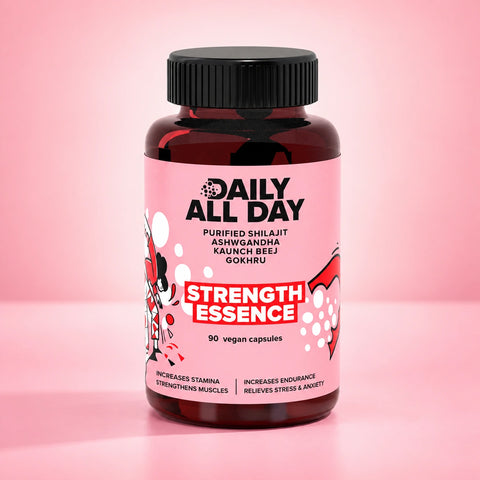
Daily All Day Vita Blend (120 Tablets) offers a unique, holistic mix of nutrients and herbs—making winter immunity much more manageable. Here are the standout ingredients and their benefits:
- 23 Vitamins and Minerals: Vitamin A, B-complex, C, D3, E, K2, magnesium, and more.
- 23 Ayurvedic Herbs: Including Ashwagandha, Giloy, Curcumin (turmeric), and Panax Ginseng.
- Holistic Formula: Combines western science and Ayurveda for overall wellness, energy, immunity, and even skin health.
Key Benefits:
- Boosts immunity and energy [2] [5]
- Strengthens body—especially helpful for people feeling weak/tired in winter.
- Improves gut health and helps with absorption.
- Fights oxidative stress, thanks to strong antioxidants (Vitamin C, E, Zinc).
- Perfectly safe (100% vegetarian, non-toxic, certified).
Take just 2 tablets, twice daily, after meals. Best results come with continuous use (6-8 weeks), especially when combined with a sensible lifestyle and diet.
Still curious? Learn more on our product page.
Frequently Asked Questions
-
What is Ashwagandha?
Ashwagandha is a traditional adaptogenic herb included in the Vita Blend. It’s famous for lowering stress, healing the body, and building immunity. -
How does Ashwagandha help with stress?
It reduces levels of cortisol (a stress hormone), calming the mind and lifting your mood in tough weather or exam season. -
Is Ashwagandha safe for everyone?
It’s safe for most people, but pregnant or breastfeeding women, or anyone with special medical issues, should check with their doctor before using. -
Can a multivitamin replace food?
No. Multivitamins fill missing gaps—they don’t replace good, home-cooked, diverse food. But in winter, with sunlight and some vegetables missing, supplements support your diet. -
How quickly will I feel a difference if I use Daily All Day Vita Blend?
Most users say they notice more energy and fewer sick days after about 4-6 weeks. For best results, take daily, and combine with sleep, exercise, and healthy routines.
Interested in deeper scientific info on these nutrients? Check citations and Pubmed articles for the latest research: [1], [2], [3], [4], [5].
Conclusion: Is Diet Alone Enough for Winter Immunity in India?
As days grow colder and sunlight becomes rare, our bodies naturally face a dip in immunity. India’s winter brings more infections, colds, and tiredness, especially for those with weak immunity. A balanced diet filled with leafy greens, ginger, garlic, and seeds certainly helps—but seasonal changes mean even the best diets sometimes fall short. That’s where science-backed supplements, like Daily All Day Vita Blend, can fill essential nutrient gaps.
The powerful nutrients in these supplements—such as vitamin D, C, and zinc—have been studied for their vital roles in defending the body against infection, reducing inflammation, and maintaining a healthy balance in our immune system [1] [2] [3] [4]. However, supplements should go hand-in-hand with a healthy lifestyle: enough sleep, exercise, stress management, and proper hygiene. Using multiple measures—just like combining good food with good habits—gives us the best chance of staying strong and healthy all winter long.
If you want to learn more about closing nutrient gaps or boosting your home-cooked diet for immunity, check out other articles on our blog. Stay warm, eat well, and give your body the support it deserves this winter!