Skin Barrier Damage in Polluted Indian Cities: Inside–Out Repair with Antioxidants and Good Fats
Share
Table of Contents
- The Reality of Skin Barrier Damage in Indian Cities
- How Pollution Wrecks Your Skin Barrier
- Inside–Out Solutions: Antioxidants and Good Fats
- Ingredients Deep Dive: Ceramides, Omega-3, and Zinc Oxide
- What People Ask: Quora QnA
- Best Skin Care Routine for Damaged Skin
- Our Skin Barrier Hero Products
- Frequently Asked Questions
The Reality of Skin Barrier Damage in Indian Cities
Imagine stepping outside in Delhi or Mumbai and feeling that gritty wind on your face. Burning eyes and dry skin are common, but what you can’t see is how pollution weakens your skin’s natural shield. The skin barrier, made of fats and cells, is your first wall of defense. Yet in many Indian cities, it gets damaged every single day. Sensitive skin, dryness, and rashes are more frequent among residents in polluted areas.
How Pollution Wrecks Your Skin Barrier
Let’s break down what pollution is doing to your skin:
- Pollutants like dust, gases and heavy metals stick to your face.
- They break down collagen, fats (lipids), and even wash away your body’s own moisturizer.
- This makes the skin weak, letting irritants, allergens and bacteria creep inside, leading to issues like acne, redness, dry skin, or flakiness.
- Scientists say the skin barrier can’t lock in moisture, so dehydration becomes common.[2]
Internal and external approaches are crucial to restore balance and strength to this barrier.
Inside–Out Solutions: Antioxidants and Good Fats
How can we protect and repair the skin barrier? It’s simple: you need support from both inside and outside. Here’s how:
1. Antioxidants
- Antioxidants like vitamin C, E, and certain plant-based bioactives fight free radicals and prevent oxidation—the same process that causes rust on metal.
- These nutrients help keep your skin cells strong and your barrier resilient.[3]
2. Good Fats: Omega-3 and 6
- Omega-3 and omega-6 fatty acids keep your skin barrier’s structure solid. They help fill gaps between skin cells, much like grout holds tiles.
- Eating more flaxseed, walnuts, or fish, or taking omega-3 supplements, has the power to reduce inflammation and speed up repair.[1]
- These healthy fats protect your organs too, like the liver and brain.[3] [4]
A balanced intake of omega-3s can also keep triglycerides (a type of fat in the blood) under control and reduce inflammation in the body.[5]
Ingredients Deep Dive: Ceramides, Omega-3, Zinc Oxide
Let’s look closer at some superstar ingredients your skin needs the most:
- Ceramides: These are the natural fats in your skin, keeping the cells together. Products like COSRX ceramide skin barrier moisturizer and dot and key barrier repair moisturizer restore these, making skin look plumper and more youthful.
- Omega-3 Fatty Acids: Known from fish oil but also in chia, walnut, and flaxseed. They [1] boost healing at genetic levels and reduce inflammation, even helping repair damage from toxins or illness.
- Zinc Oxide: A mineral used in zinc oxide cream that sits on the skin and offers a physical shield against sun and pollutants. It’s gentle even for sensitive skin.
Look for “ongredients skin barrier calming lotion” or simple “barrier repair moisturizer”—these are made for Indian weather and pollution.
What People Ask: Quora QnA
People are searching for answers online every day. Let’s look at some top questions on Quora with simple tips:
-
How to fix my extremely damaged skin barrier?
- Stop over-washing and avoid harsh scrubs.
- Use a mild, pH-balanced cleanser (usually marked as pH 5.5).
- Apply a thick, fragrance-free moisturizer packed with ceramides.
- Avoid too many actives (like acids or retinol) until skin heals.
- Let your skin breathe—no heavy foundation daily (link).
-
How to repair skin barriers naturally?
- Begin with an oil-based or balm cleanser for gentle cleaning.
- Follow with a low-pH gel cleanser.
- Boost essential fats by eating more nuts, seeds, and omega-3-rich foods.
- Protect skin from sun and pollution every time you go out (link).
-
How does pollution impact your skin and what can you do?
- Pollution breaks down both collagen and skin fats, causing more irritation and rashes in cities.
- Building a shield with barrier creams and good fats in the diet can slow down this damage (link).
Best Skin Care Routine for Damaged Skin
For anyone in a polluted city with oily, dry, or sensitive skin:
-
Morning:
- Wash with a gentle, non-foaming cleanser.
- Pat on a ceramide-rich moisturizer (for dry skin or oily skin).
- Apply sunscreen (zinc oxide-based is best for barrier repair).
-
Evening:
- Double cleanse: Start with oil, follow with gentle cleanser.
- Exfoliate just 1–2 times a week (never daily).
- Use calming serums (like anua azelaic acid serum to reduce redness).[3]
- Finish with heavy-duty moisturizer (look for “barrier repair”).
- Keep your routine simple. Less is more!
Want more? Read how daily micro-habits and circadian rhythm reset support overall skin health.
Our Skin Barrier Hero Products
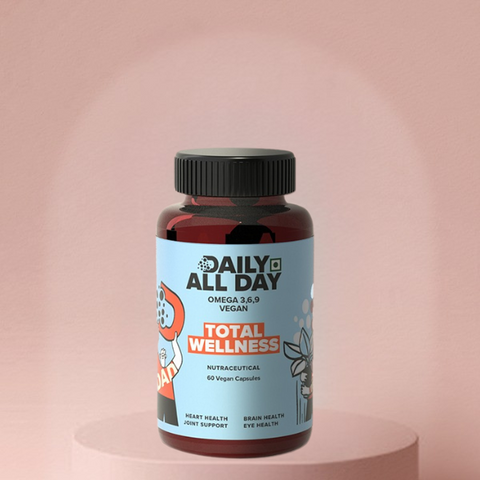
- Daily All Day Omega-3 Supplements – Ideal to add essential fats without fishy taste. A good option for vegetarians in Indian cities.
- Daily All Day Skin Barrier Repair Moisturizer – Loaded with ceramides and gentle plant oils, suitable for dry and sensitive skin.
- Daily All Day Zinc Oxide Mineral Sunscreen – Physical protection from UV and pollution together.
All our products use safe, gentle and research-backed ingredients to help your skin recover inside–out.
Check our gut-skin axis article for more info on how skin health links to your stomach and immunity!
Frequently Asked Questions
-
What are ceramides, and why are they good for the skin?
Ceramides are natural fats in the outermost layer of skin. They glue skin cells together and prevent water loss, keeping your face smooth and moist. Ceramide-rich creams help heal the barrier, especially for those with dry or sensitive skin. -
How do omega-3 fatty acids help skin barrier?
Omega-3s reduce inflammation at the cellular level, speed up repair, and help skin cells lock in moisture. Scientific studies have shown they assist in healing and reduce the effects of pollutants and trauma on tissues.[1] -
Can I fix my damaged skin barrier naturally?
Yes! Simplifying your routine, using gentle cleansers, eating more omega-3 fats, and avoiding over-exfoliation all help. Moisturize generously and use sunscreen to prevent further damage. -
Should people with oily skin use moisturizer?
Absolutely. Oily skin types can suffer barrier damage too, and lack of moisture can actually cause the skin to produce more oil. Use a lightweight, non-comedogenic barrier repair moisturizer. -
What ingredients should I avoid if my skin barrier is damaged?
Avoid alcohol-based toners, harsh scrubs, too many acids (AHAs/BHAs/retinol), and any products with strong fragrances until your skin barrier recovers fully.
From scientific research to daily habits, building a strong skin barrier in polluted Indian cities is possible. Combine gentle skincare with a diet rich in antioxidants and healthy fats for the best defense.
Living in polluted Indian cities exposes our skin to much more than meets the eye. Pollution, harsh weather, and stress can all lead to skin barrier damage, causing dryness, irritation, and increased sensitivity. Thankfully, repairing your skin from within and outside is possible with a mix of modern science and traditional wisdom.
Antioxidants such as vitamins C and E, and most importantly, good fats like omega-3 and omega-6, not only protect against inflammation but also support the rebuilding of the skin’s protective barrier. Multiple studies confirm the powerful antioxidative and anti-inflammatory benefits of omega-3 fatty acids for injury recovery and even neurological and liver health. For example, omega-3s activate protective genes in the body and reduce skin and kidney damage—showing they play a vital role in tissue healing and immune modulation[1]. Another research highlights their value in maintaining proper lipid metabolism and inflammation control[2]. Internal care, including balancing your diet with these nutrients, and using gentle, lipid-rich topical products like ceramide-based creams, creates a supportive environment for resilient, glowing skin.
Pairing these approaches with simple routines—like those shared in the FAQ—offers holistic and lasting repair for all Indian skin types living amid modern-day pollution challenges. Don’t forget, inside–out care, with the right lifestyle changes, is the secret for vibrant skin even in the most polluted environments.
For broader health, learn how these nutrients can protect other parts of your body on our blogs about pollution and antioxidants or the gut-skin axis. Your skin (and body) will thank you!