Rice-Heavy Diets & Energy Balance in South India
Share
Table of Contents
- The Story of Rice in South India
- Rice, Energy, and the Science
- Quora QnA: Rice Eating Habits of South Indians
- How South Indians Stay Lean with Rice-Heavy Diets
- Ingredients Deep Dive: Rice and Beyond
- Modern Help: Daily All Day Slim Support & Gluco Wise
- Simple Steps for Healthy Rice Eating
- Frequently Asked Questions
The Story of Rice in South India
Imagine walking into a traditional South Indian home at lunchtime. The hot aroma of lemon rice, sambar, and a dollop of curd rice fills the air. Everyone in the family, from the smallest child to the elders, scoops rice onto their plates—not as a side, but as the main star. This scene repeats every day throughout South India. Many ask—if eating rice forms such a big part of meals, why aren’t South Indians gaining weight in large numbers?
Rice, Energy, and the Science
Rice is a staple for millions. It gives energy, is filling, and is low in fat. But you might hear in some circles that eating rice can lead to weight gain or a “fat belly.” Actually, scientific research tells a bigger story:
- Rice itself isn’t the enemy. It's about total calories, what is eaten with rice, and lifestyle choices.
- High carb diets don’t always mean fat gain. Studies found high-carbohydrate diets (like a typical rice meal) do not harm metabolic or liver health in healthy people, when they also eat fiber and don’t overeat [6].
- Rice keeps you full for longer. This means less constant munching and fewer empty calories [6].
Modern research also says that eating carbs with the right nutrients, like fermented foods and lentils, supports gut health and reduces the risk of diseases [4].
Quora QnA: Rice Eating Habits of South Indians
Indian food and rice are always a hot topic on Quora. Here are questions people ask and what real users say:
-
Why do Malayalees eat a lot of rice, even if it creates a fat belly?
- True South Indians eat rice regularly and still stay lean.
- People combine rice with proteins, vegetables, and fermented foods, making meals balanced.
-
Rice consumption and body type across Indian states?
- Fat gain is not just from rice, but from overeating, lack of movement, and poor combinations.
-
How are South Indians largely lean with a carbohydrate-rich diet?
- Traditionally, meals include rice with dal, curd, sambar, and vegetables that help balance nutrients.
-
Is a rice-based diet unhealthy?
- No, if meals include variety, portion control, and healthy cooking methods.
-
How do Asians eat rice daily and stay healthy?
- Because rice is eaten as part of balanced meals, not alone.
How South Indians Stay Lean with Rice-Heavy Diets
Let’s break down their secrets:
- They eat protein with rice. Sambar, dal, curd—these add protein that helps in feeling satisfied.
- Fermented foods play a role. Idli, dosa, and curd aids digestion and supports gut health [5].
- They eat a lot of vegetables and fiber. Fiber slows the rise in blood sugar and is good for the gut [4].
- Moderate portion sizes. Meals are filling but portions are well controlled.
- Physical activity. Many people walk, cycle, and stay active in daily life.
- Use of parboiled or red rice. In Kerala and nearby places, people eat boiled rice that contains more nutrients than the polished white variety.
Want to know more about gut health and Indian diets? Check out our article on gut health and South Indian foods.
Ingredients Deep Dive: Rice and Beyond
- Rice: The main energy source, naturally gluten-free, very low in fat. Parboiled and red rice give extra B vitamins and minerals.
- Lentils & Pulses (like dal): Give plant protein, iron, and fiber.
- Sambar/Rasam: Rich in antioxidants and spices like turmeric, black pepper and curry leaves for added health.
- Curd/Yogurt: Fermented, provides calcium and healthy bacteria for the gut.
- Vegetables: Seasonal vegetables are a must, providing fiber and vitamins.
- Fermented Breakfasts: Idli, dosa, and uttapam help gut microbes and keep digestion smooth.
Including these foods boosts the BRAT diet style but with more variety and nutrition. (The BRAT diet: bananas, rice, applesauce, toast.)
Modern Help: Daily All Day Slim Support & Gluco Wise
For some people, traditional methods are not enough—they need a metabolism boost or better sugar balance. That’s where supplements help.
Daily All Day Slim Support (90 Capsules)
- Apple Cider Vinegar: Supports digestion, helps control appetite.
- Garcinia Cambogia: Burns fat, suppresses hunger.
- Fenugreek (Methi): Improves digestion, controls sugar spikes.
- Green Coffee Beans & Green Tea: Boost metabolism for more calorie burn.
- Triphala & Ginger: Aid in detox and stomach comfort.
- 100% vegetarian, plant-based capsules—free from animal gelatin!
Daily All Day Gluco Wise (90 Capsules)
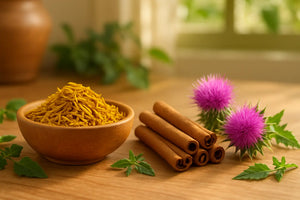
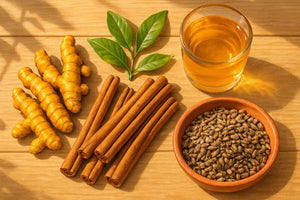
- Berberine & Cinnamon: Regulates sugar & improves metabolism [2].
- Milk Thistle: Protects the liver and helps with cholesterol [4].
- Rich in antioxidants, supports metabolism and heart health.
- Also 100% vegetarian and safe when used as recommended.
Results from supplements are best when paired with a balanced diet and lifestyle. For details about why traditional diets sometimes need extra nutrition, read why home-cooked food isn’t always enough.
Simple Steps for Healthy Rice Eating
- Eat rice with lentils, vegetables, and a spoon of curd.
- Switch to parboiled or brown/red rice now and then.
- Practice portion control—listen to your hunger, stop when comfortably full.
- Limit fried accompaniments; use grilling or steaming instead.
- Try time-restricted eating—don’t eat all day. It has proven metabolic benefits even in diabetics [2].
- Stay active—walk, stretch, and keep moving every day.
Learn about beating winter fatigue & nutrition gaps in North India for comparison on how different regions adapt diets: Winter Fatigue & Nutrition Gaps in North India.
Frequently Asked Questions
-
Is eating rice daily unhealthy?
No. Eating rice every day is not unhealthy if you balance it with protein, fiber, and vegetables. Keep portions moderate and use less oil. -
Can rice make you fat?
Rice alone does not make you fat. Overeating and lack of exercise are the main reasons for weight gain. It’s about what you eat with rice and how much. -
What are good alternatives to white rice?
Try parboiled, brown, or red rice for more fiber and nutrition. Mix with millets sometimes for variety. -
How do supplements like Slim Support and Gluco Wise help?
They boost metabolism, help you control appetite, and balance blood sugar. This supports a healthy weight, especially if you eat many carbohydrate-rich meals. -
Do I need to avoid rice to lose weight?
No. You don’t need to cut out rice—just eat smart, include protein, manage portions, and stay active. Supplements can help if you find weight loss difficult.
For more details about South Indian dietary science, read about Rice Heavy Diet & Energy Balance in South India.
South India's rice-heavy diet is both a tradition and a science. Eating rice, often paired with protein-rich lentils and plenty of vegetables, helps many South Indians maintain a balanced energy profile without easily gaining weight. Rice by itself isn't the cause of obesity—it's the overall energy balance, how the rice is combined with other foods, and lifestyle habits that matter most. Modern research also supports these ideas, showing that high-carbohydrate diets paired with good fiber and protein, like South Indian meals, do not lead to unhealthy weight gain or metabolic dysfunction in healthy individuals [6].
Supplements like Daily All Day Slim Support and Gluco Wise can be helpful allies for those looking to optimize weight and metabolism while following rice-based diets. They include plant-based ingredients that promote fat burning, appetite control, and better sugar balance. By choosing wholesome ingredients, mindful eating, and supporting traditional recipes with modern approaches, anyone can enjoy rice-heavy diets without guilt.
Citations used: [6], [5], [4], [2], [1].