Why Do Refined Oils Cause Omega Imbalance in Indians?
TL;DR: Most Indian kitchens cook daily with refined sunflower or soybean oil, pushing the omega-6 to omega-3 ratio as high as 50:1. This omega 3 deficiency from refined oils India problem quietly drives low-grade inflammation. Daily All Day Total Wellness Vegan Omega 3 6 9, sourced from flaxseed, helps restore that ratio with plant-based ALA fatty acids.
Why Do Refined Oils Cause Omega Imbalance in Indians?
Table of Contents
- What Exactly Is an Omega Imbalance?
- The Rise of Refined Oils in Indian Kitchens
- Understanding the Three Omegas
- What Does This Imbalance Actually Do to Your Body?
- What Indians Are Asking About Cooking Oils
- How to Restore Balance: Your Indian Kitchen Checklist
- Filling the Gap with the Right Supplement
- Frequently Asked Questions
It's 8 PM on a Tuesday. You're back from office, the dal is on the stove, and you reach for that familiar yellow bottle of refined sunflower oil without thinking twice. This happens in millions of Indian homes every night. What most of us don't realize is that this one small habit, repeated day after day, is a key driver of omega 3 deficiency from refined oils India-wide. Not dramatically. Quietly. Over years.
The good news? Understanding this is more than half the fix.
What Exactly Is an Omega Imbalance?
Omega-3 and omega-6 are both essential fatty acids. Your body cannot make them. You have to eat them. The problem is not omega-6 itself; in small amounts, it supports skin, bone density, and metabolism. The problem is proportion.
Our ancestors eating millets, ghee, mustard oil, and seasonal fish maintained an omega-6 to omega-3 ratio close to 2:1 or 4:1. Today, largely because of refined vegetable oils, that ratio in the average Indian diet has shifted to somewhere between 20:1 and 50:1.[1] That is not a minor drift. It is a structural shift in how Indian bodies experience inflammation every single day.
Omega-3 fatty acids (especially EPA and DHA) signal the body to calm inflammatory responses. Omega-6 fatty acids, in excess, push in the opposite direction. When omega-6 dominates this ratio so heavily, the result is chronic, low-grade inflammation, the kind that does not hurt like a sprained ankle but quietly affects how your joints feel in the morning, how clearly you think at 3 PM, and how your skin behaves across seasons.[2]
The Rise of Refined Oils in Indian Kitchens
Thirty years ago, most Indian households used region-specific oils. Mustard oil in Bengal and Punjab, coconut oil along the coasts, groundnut oil in Gujarat and Maharashtra, sesame oil in Tamil Nadu. These were cold-pressed or minimally processed. They retained their natural fatty acid profiles and antioxidants.
Then came aggressive marketing from refined oil brands, cheaper production costs, and a health narrative built around "light" and "cholesterol-free." Refined sunflower, soybean, rice bran, safflower, and corn oils flooded the market. Today, they dominate urban Indian kitchens and are the default fat in virtually every packaged snack, restaurant meal, and dhaba dish.
The refining process is the core issue. Seeds are exposed to high temperatures and chemical solvents to extract maximum oil yield. Then the oil is bleached and deodorized. This removes natural color, smell, and most beneficial compounds including vitamin E and trace antioxidants. What remains is a high-omega-6, nutrient-stripped fat that is used in everything from your evening poha to your office canteen samosa.
If you are curious about whether this concern is widespread among Indian consumers, the conversations on Quora about refined edible oils reflect just how much confusion exists around this topic.
Understanding the Three Omegas
Most articles stop at omega-3 vs omega-6. Here is what each one actually does in the Indian dietary context.
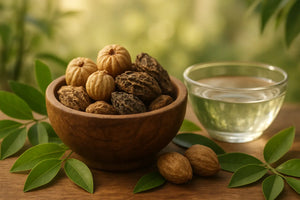
- Omega-3 (ALA, EPA, DHA): ALA is the plant-based form found in flaxseeds, chia, and walnuts. Your body converts ALA into EPA and DHA, but this conversion is inefficient, often below 10%, and drops further when omega-6 intake is high because both compete for the same conversion enzymes.[3] For vegetarians relying on plant sources, this inefficiency matters a lot.
- Omega-6 (Linoleic Acid): Found in very high concentrations in refined sunflower, soybean, safflower, and corn oils. Not harmful in moderate amounts, but the quantities in a typical Indian refined-oil diet far exceed what the body can usefully process without triggering inflammatory pathways.
- Omega-9 (Oleic Acid): Your body can make some of this on its own, but dietary sources help. Found in cold-pressed groundnut oil, sesame oil, and mustard oil. More stable at cooking temperatures than polyunsaturated oils, and supportive of healthy cholesterol metabolism.
The omega 3 6 ratio in the Indian diet is the real issue. Not any one fat in isolation.
What Does This Imbalance Actually Do to Your Body?
Chronic omega imbalance is not dramatic. It does not announce itself. What it does is create a baseline inflammatory environment that makes several common problems worse over time.
- Joint stiffness: Especially noticeable in the knees and lower back, common complaints among Indian adults over 35 who sit for long hours in AC offices.
- Brain fog and mood dips: Your brain is roughly 60% fat by dry weight. DHA specifically supports neuronal membrane health. A 2022 study of 300 South Asian adults found lower DHA levels correlated significantly with self-reported cognitive sluggishness and low mood.[4]
- Skin issues: Persistent acne, dullness, and slow healing, especially worsened by the humidity in monsoon months, can partly reflect an omega imbalance affecting skin barrier function.
- Cardiovascular stress markers: Excess omega-6 from refined oils has been associated with higher levels of arachidonic acid metabolites, which contribute to arterial inflammation.
- Metabolic disruption: India already carries a high burden of lifestyle-related metabolic concerns. The omega 3 deficiency from refined oils India pattern compounds this risk for a large urban population eating refined-oil-heavy diets three times a day.[5]
None of this means a single oil change fixes everything. But the dietary foundation matters more than most people think.
What Indians Are Asking About Cooking Oils
Real questions from Indian readers reflect genuine confusion about oil choices:
Why is refined edible oil bad for your health?
The core issue is the omega-6 loading. Refined sunflower and soybean oils are 50-65% linoleic acid (omega-6). Used daily in Indian cooking quantities, they systematically push the omega ratio out of balance. The refining process also removes the natural antioxidants that would otherwise protect the oil from oxidizing at cooking temperatures.
If refined oils are bad, why doesn't the health ministry promote cold-pressed alternatives?
Cost and scale are the honest answers. Cold-pressed oils cost 2 to 4 times more and have shorter shelf lives. For India's public health system managing 1.4 billion people, price accessibility drives policy more than optimal nutrition. This gap between public health policy and individual optimal nutrition is exactly why informed personal choices matter.
Which cooking oil causes the least harm in India?
No single oil does everything. Cold-pressed mustard oil has one of the best omega-3 to omega-6 ratios among commonly available Indian options (roughly 1:2.5). Cold-pressed groundnut and sesame oils are more stable at higher temperatures. Ghee remains excellent for high-heat tadkas. Rotating 2 to 3 traditional oils is more useful than searching for one perfect option.
How to Restore Balance: Your Indian Kitchen Checklist
Practical changes work better than dramatic overhauls. These fit real Indian cooking habits.
- Switch one oil first: Replace your daily refined sunflower oil with cold-pressed (kacchi ghani) mustard oil for sabzis and curries. This alone meaningfully shifts your daily omega intake.
- Use ghee for high-heat cooking: Deep frying and high-heat tadkas oxidize polyunsaturated oils quickly, creating compounds your body has to work harder to process. Ghee is saturated, stable, and traditional for good reason.
- Add alsi (flaxseeds) to your atta: One tablespoon of ground flaxseed added to your daily roti dough adds meaningful ALA omega-3 with zero change to your meal routine. Grind fresh, store in the fridge.
- Eat a handful of walnuts daily: Simple. Walnuts are the richest nut source of ALA omega-3 and fit naturally into an Indian snack habit.
- Cut down on packaged snacks: Biscuits, namkeen, and fried snacks from packets are almost universally made with refined oils, often reused. Reducing these cuts omega-6 intake faster than any single oil swap.
- Rotate oils seasonally: Sesame oil (til) is particularly relevant in winter months when the body benefits from its warming properties, aligning with traditional Ayurvedic ritucharya (seasonal dietary shifts).
If you are managing stress alongside these dietary changes, it may be worth reading about how omega 3-6-9 supports the nervous system: High-Stress Corporate Jobs, Sunday Panic, and Unrestful Sleep: Omega 3-6-9 as Gentle Nervous-System Support for Indian Managers.
Filling the Gap with the Right Supplement
Even with dietary corrections, vegetarians and vegans face a structural challenge. The ALA-to-EPA/DHA conversion pathway is genuinely inefficient. When your omega-6 intake has been high for years, that pathway is further blocked by competition for the same desaturase enzymes. Dietary changes help, but they rarely close the gap completely on their own.
This is where Daily All Day Total Wellness Vegan Omega 3 6 9 is designed to step in. It provides a concentrated, plant-based source of balanced essential fatty acids from flaxseed, in a 100% vegetarian cellulose capsule (not gelatin). It supports the body's natural omega balance, may contribute to joint comfort and skin hydration, and helps maintain everyday cognitive clarity.
If you also experience screen-related dry eyes or early skin dullness linked to fatty acid gaps, this companion piece covers both concerns together: Chronic Dry Eyes, Screen Itch, and Early Crow's Feet: Sea Buckthorn Juice and Omega 3-6-9 as Inside-Out Support for Indian Adults Glued to Devices.
What to Expect: 30 / 60 / 90 Days
30 days: Skin hydration often shows the earliest response. Many users notice less tightness and fewer dry patches, particularly relevant in AC office environments or post-monsoon dry air. Joint stiffness may begin to feel marginally less noticeable toward the end of this period.
60 days: With consistent oil-swapping in the kitchen and daily supplementation, the omega-6 to omega-3 ratio in your tissues starts shifting more meaningfully. Brain clarity improvements (less afternoon fog, steadier attention) are commonly reported around this stage. Skin tone and texture changes become more visible.
90 days: This is where cumulative changes in the omega 3 6 ratio in the Indian diet context become physiologically meaningful. Joint comfort during exercise or long commutes tends to improve noticeably. Consistent users often report better sleep quality and more stable energy through the day, particularly after festival eating cycles (Diwali, Navratri) when refined-oil-heavy foods dominate temporarily.
Try Total Wellness- Vegan Omega 3 6 9 →

Frequently Asked Questions
Should I take omega 3 6 9 capsules before or after Indian meals, and does meal timing matter?
Yes, timing matters. Omega fatty acids are fat-soluble, which means your body absorbs them significantly better when taken alongside a meal that contains some dietary fat. In an Indian context, taking your capsule with lunch (dal-roti-sabzi) or dinner rather than on an empty stomach first thing in the morning gives you noticeably better absorption. If you eat a lighter breakfast and a heavier lunch, lunchtime is your best window. Avoid taking omega supplements with a completely fat-free meal like plain fruit or black tea alone.
I take thyroid or blood pressure medication. Is it safe to add an omega supplement alongside these?
Omega-3 fatty acids at dietary supplement doses are generally considered safe and are not known to directly interfere with standard thyroid medications (like levothyroxine). However, higher-dose omega-3s can have a mild blood-thinning effect, which is relevant if you are already on antihypertensives or anticoagulants like aspirin or warfarin. The safe approach is to mention your supplement to your treating doctor at your next visit. This is especially important for anyone managing BP, a cardiac condition, or diabetes with medication. Do not wait for a problem to mention it.
Does omega 3 deficiency from refined oils in India change by season, and should I adjust my intake in summer versus monsoon?
Traditional Ayurvedic dietary thinking (ritucharya) does suggest seasonal dietary adjustments, and there is a practical logic here for omega intake too. In Indian summers, heat reduces appetite and you may naturally eat less oil-heavy food, which can slightly reduce omega-6 load on its own. In monsoon months, the humidity increases oxidative stress on the body, making adequate omega-3 intake more relevant for skin barrier and joint function. Winter is when sesame oil (til) and flaxseed-rich foods are traditionally emphasized in Indian diets, which aligns well with boosting ALA omega-3 intake. Supplementing consistently year-round is simpler than trying to adjust seasonally, but being more attentive to omega-rich foods during monsoon and winter is a sensible layer to add.
This product says FSSAI registered. Is it different from an AYUSH-licensed medicine? Should I trust it?
This is an important distinction many Indian buyers miss. Daily All Day Total Wellness Vegan Omega 3 6 9 is a dietary supplement registered under FSSAI (Food Safety and Standards Authority of India), not a licensed AYUSH medicine. FSSAI regulates food and food supplements for safety and labeling standards. AYUSH licensing applies to formulations marketed as Ayurvedic medicines making therapeutic claims. A supplement under FSSAI is correctly positioned to support general wellness and nutritional gaps, but it does not claim to treat or cure any condition. This is not a lesser category. It is simply the correct regulatory category for a nutrition supplement. What matters is that it meets FSSAI standards, uses quality-tested ingredients, and makes no exaggerated medical claims.
Who should not take omega 3 6 9 supplements, regardless of the omega 3 deficiency from refined oils India concern?
Most healthy adults can take omega 3 6 9 supplements without concern. However, certain groups should consult a registered doctor or qualified Ayurvedic practitioner before starting. These include: pregnant or nursing women (omega-3 needs in pregnancy are specific and dose-sensitive, not a situation for self-supplementing without guidance); anyone scheduled for surgery within 2 weeks (due to mild blood-thinning effects at higher doses); people on blood thinners like warfarin or clopidogrel; and anyone with a known allergy to flaxseed or related plant seeds. Children should use only formulations specifically designed for their age group, not adult supplements.
As a vegetarian eating a standard Indian staple diet (rice, dal, roti, sabzi), am I at higher risk of omega 3 deficiency?
Yes, realistically. A standard vegetarian Indian diet built around wheat, rice, lentils, and vegetables cooked in refined oil provides substantial omega-6 but very little omega-3. The plant-based omega-3 sources most of us think of (flaxseeds, walnuts, chia) are not daily Indian staples for most households. They have to be intentionally added. The ALA conversion to EPA and DHA is also less efficient in a high omega-6 dietary environment, which describes most Indian vegetarian diets today. This is why omega 3 deficiency from refined oils India is disproportionately a vegetarian problem, and why a plant-based omega 3 6 9 supplement (rather than fish oil) is a more practical fit for this demographic.