How Do Traditional Indian Spices Influence Blood Sugar Regulation? Mechanisms and Clinical Evidence
Share
Table of Contents
- The Magic of Indian Spices: An Everyday Solution
- How Spices Influence Blood Sugar: Mechanisms You Should Know
- Ingredients Deep Dive: Spices That Help Manage Blood Sugar
- Clinical Evidence: What Science Says
- Quora QnA: Real People, Real Questions
- Daily All Day Products for Healthy Blood Sugar & Metabolism
- Frequently Asked Questions
- Conclusion
The Magic of Indian Spices: An Everyday Solution
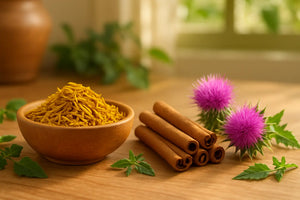
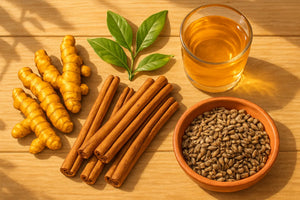
Think about a warm cup of tea brewed with cinnamon and ginger, or a home-cooked meal dusted with turmeric and fenugreek seeds. In almost every traditional Indian household, these spices are not only loved for their taste but also respected for their natural healing properties. One particular health benefit that has been discussed—and now scientifically studied—is their ability to help regulate blood sugar levels. But how does this work? And can adding a pinch of spice truly impact conditions like diabetes or metabolic health? Let's dive in.
How Spices Influence Blood Sugar: Mechanisms You Should Know
Spices do more than just flavour food. The key way they help is by:
- Slowing down the absorption of sugar from the digestive system.
- Improving insulin sensitivity in the body.
- Reducing inflammation and oxidative stress, which worsens blood sugar issues.
- Helping the pancreas produce and use insulin efficiently.
Science Behind The Power:
- Cinnamon is known to improve glucose uptake by the body's cells.
- Turmeric (Curcumin) protects pancreatic cells and reduces inflammation.
- Fenugreek can directly lower fasting blood sugar and HbA1c according to studies [1], [2].
Ingredients Deep Dive: Spices That Help Manage Blood Sugar
1. Fenugreek (Methi)
Fenugreek seeds are a powerhouse of fiber, saponins, and compounds like 4-hydroxyisoleucine. These slow down sugar absorption and may increase the body's own insulin release. Regular use of 1–6 grams daily is common. Higher doses (about 25g/day) may lower blood sugar significantly [1].
Clinical Effects:
- Reduces fasting and post-meal blood glucose.
- Lowers HbA1c (average blood sugar over 3 months).
- Improves cholesterol alongside sugar regulation [2].
Learn more about fenugreek benefits here.
2. Cinnamon (Dalchini)
- Cinnamon helps to mimic insulin and increases the movement of sugar into cells.
- Has antioxidants that reduce oxidative stress on the body.
3. Turmeric (Haldi)
- Main compound—Curcumin, which is anti-inflammatory.
- Improves beta cell function (these cells make insulin).
- See more on turmeric and skin/curcumin benefits at this detailed turmeric blog.
4. Black Pepper (Kali Mirch)
- Contains piperine which aids in the absorption of curcumin and nutrients from other spices.
5. Coriander Seeds (Dhaniya)
- Help reduce fasting blood sugar levels and improve kidney health.
6. Bay Leaf (Tej Patta)
- Contains plant compounds that slow down the absorption of carbohydrates.
7. Ginger (Adrak)
- Lowers inflammation and helps improve insulin sensitivity.
These all work together—sometimes called the spices that heal us. Even Ayurveda and modern science see them as part of a healthy lifestyle.
Clinical Evidence: What Science Says
- Fenugreek has strong scientific evidence from multiple clinical trials. A 2026 wide analysis of 26 studies proved it lowers fasting blood sugar, post-meal blood sugar, and HbA1c in patients with high sugar levels [2].
- Turmeric, cinnamon, and ginger are among the 49 common herbs considered safe and effective in controlling Type 2 diabetes, as per a recent systematic review [3].
- Fenugreek varieties (including Trigonella foenum-graecum) have shown benefits in reducing bad cholesterol and improving liver health. Their antioxidant properties also guard the body from stress damage [5].
Safety First
- Most spices are safe in regular food amounts.
- Very high doses should be used with medical guidance—people on blood thinners or certain diabetes medicines must be careful as interactions are possible [3].
- The unique property of fenugreek—the mild maple syrup smell in urine or sweat—is harmless.
Quora QnA: Real People, Real Questions
- What are spices or herbs that help to manage blood sugar problems? - Cinnamon, coriander seeds, bay leaf, turmeric, and black pepper help manage blood sugar.
- Can garlic, cinnamon, fenugreek, or other herbs and spices lower blood sugar? - Yes! These herbs may naturally help lower sugar levels.
- Can certain culinary herbs or spices cause a rapid increase in blood sugar? - No, most herbs and spices do not increase blood sugar.
- Is Indian food okay for diabetics? - Indian food can be healthy for diabetics if prepared with less oil/ghee and healthy spices.
Daily All Day Products for Healthy Blood Sugar & Metabolism
1. Daily All Day Slim Support (90 Capsules)
- Key Ingredients: Apple Cider Vinegar, Garcinia Cambogia, Methi (Fenugreek), Green Coffee Beans, Green Tea, Gurmar, Ginger, Triphala
- Benefits: Burns fat, suppresses appetite, manages weight, boosts metabolism, improves digestion, 100% vegetarian, certified and safe. See Slim Support
2. Daily All Day Vita Blend (120 Tablets)
- Key Ingredients: 23 vitamins & minerals plus 23 Ayurvedic herbs—includes Moringa, Ashwagandha, Curcumin, Panax Ginseng, Garlic, Cinnamon, Ginger Extract
- Benefits: Boosts immunity, supports energy, gut health, and overall wellness. See Vita Blend
Frequently Asked Questions
-
1. What is Ashwagandha?
Ashwagandha is an adaptogenic herb in Ayurveda. It balances stress hormones and improves endurance. -
2. How does Ashwagandha help with stress?
It lowers stress hormone (cortisol) and promotes a sense of calm and wellbeing. -
3. Is Ashwagandha safe for everyone?
It is generally safe, but should be avoided by pregnant women or people with specific health conditions. Always consult your doctor. -
4. Do Indian spices really help manage diabetes?
Yes—studies support the role of turmeric, cinnamon, fenugreek, and others for maintaining healthy sugar levels. Diet and lifestyle still matter most. -
5. Are there any side effects from using these spices daily?
Normal food use is very safe. Very high doses can cause stomach upset or interact with medicines—check with a doctor if unsure.
Conclusion
Indian spices like fenugreek, turmeric, cinnamon, and ginger are more than just flavor boosters; they support blood sugar regulation through safe, natural mechanisms. Both ancient wisdom and today's science agree: adding these 'secret spices' to your routine gives you a natural edge for better health. For more on metabolic wellness and metabolic health tips, check our other detailed guides. Stay informed, stay healthy, and enjoy your food—spices and all!
Conclusion
Traditional Indian spices are more than just secret flavor agents; they carry impressive health benefits, especially for blood sugar regulation. Spices like fenugreek, cinnamon, turmeric, and ginger have demonstrated real effects in both animal and human studies. Most notably, fenugreek can lower fasting blood glucose, HbA1C, and even supports overall metabolic health, as echoed in modern clinical research [2]. The mechanisms behind these effects range from improving insulin sensitivity, slowing carbohydrate breakdown, to reducing inflammation and oxidative stress [5].
If you look for herbal support, always remember: while most spices are safe and beneficial as part of a balanced diet, it is important to follow guidelines for dosage and consult healthcare experts. Our Daily All Day products, such as Slim Support and Vita Blend, promise a safe synergy of well-researched ingredients packed in pure, vegetarian capsules. For those who want to harness the best of Indian tradition and modern science for blood sugar and metabolic support, these options are a convenient and trusted choice. References and further clinical details are available from primary research studies for those interested: [2], [1], [3], [5].