How Does a Traditional Indian Diet Impact Metabolic Health Compared to Western Diets? Evidence and Outcomes
Share
Table of Content
- Story: The Shift from Traditional Meals to Fast Food
- What is a Traditional Indian Diet?
- Western Diet Explained
- How Diet Impacts Metabolic Health
- Ingredients Deep Dive: Nature's Powerhouses in Indian Diet
- Gut Microbiome: Fiber, Fermentation, and You
- What Happens When You Switch from Indian to Western Diets?
- Quora Q&A: What People Are Asking
- Boosting Health the Daily All Day Way
- Frequently Asked Questions
Story: The Shift from Traditional Meals to Fast Food
Imagine two friends at school. Aarav grew up eating home-cooked dal, rice, roti, vegetables, and his favorite mom-made khichdi for lunch. Soham, on the other hand, always had pizza, burgers, chips, and ok—sometimes even diet coke. Both loved sports, but as they entered their teens, Soham started feeling tired, got acne, and gained weight fast. Aarav, who stuck to his family meals, felt more energetic. This isn't just a story—it reflects how diet directly impacts our metabolic health.
What is a Traditional Indian Diet?
Traditional Indian diets are mostly plant-based. Here’s what they include:
- Whole grains (like brown rice, millets, whole wheat)
- Legumes (dal, chickpeas, kidney beans, and more)
- Fiber-rich vegetables and fruits
- Healthy spices and herbs (turmeric, cumin, ginger, coriander)
- Minimal processed foods, low added sugars
- Lesser fried snacks and sweets (usually as treats, not daily)
This way of eating is not just filling but gives all your body needs—proteins, healthy fats, essential carbs, vitamins, and minerals.
Western Diet Explained
Western diets are quite different. They commonly include:
- White bread, refined cereals, and processed grains
- Red and processed meats
- Soda, diet coke, and sugar-loaded drinks
- Added sugars, excess salt, and unhealthy fats
- Lots of fast foods, burgers, pizzas, fries
These foods might taste great, but are low in fiber, high in calories, and often lack essential nutrients.
How Diet Impacts Metabolic Health
Studies show key differences:
Indian Diet: Helps lower chances of diabetes, high cholesterol, fatty liver, and heart problems because of its rich fiber, legumes, and less processed ingredients.
Western Diet: Linked with high rates of obesity, type 2 diabetes, metabolic syndrome, and even mood swings and low energy [1].
This is supported by science—the fiber in traditional diets slows starch digestion (lower glycemic index) and helps control blood sugar and cholesterol for longer energy [1].
Ingredients Deep Dive: Nature’s Powerhouses in Indian Diet
The real secret behind the Indian diet’s health boost lies in its simple, natural ingredients:
- Legumes (dal & others): High in plant protein, iron, and fiber, they keep you full and stabilize sugar.
- Whole Grains: Brown rice, millets, and whole wheat are rich in vitamins and complex carbs.
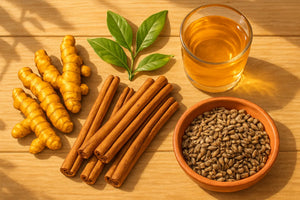
- Spices (Cinnamon, Turmeric, Fenugreek, Ginger): Help control blood sugar and cholesterol naturally [Blog: Spices for Blood Sugar].
- Fruits & Vegetables: Antioxidants, vitamins A, C, & E boost immunity and fight inflammation.
- Fermented Foods (curd, pickles): Improve gut health and metabolism [2].
- Polyphenol-rich Foods: Polyphenols in plant foods reduce sugar damage and help manage oxidative stress, lowering metabolic risks [3].
- Herbs (Giloy, Ashwagandha): Help with stress and keep metabolism steady. Read about giloy for immunity and ashwagandha for stress.
These same ingredients power our Daily All Day Gluco Wise and Vita Blend.
Gut Microbiome: Fiber, Fermentation, and You
Did you know your gut microbiome loves fiber and natural fermented foods?
- Traditional Indian diets, filled with dal, veggies, and curd, feed good bacteria in the gut, increasing diversity and lowering inflammation [5].
- Western diets, with more processed and fried foods, decrease gut diversity and increase bad bacteria, leading to higher inflammation [6].
Gut-friendly foods boost metabolism, mood, and even immunity!
What Happens When You Switch from Indian to Western Diets?
This is called nutrition transition. In India, as people shift towards Western diets, metabolic diseases quickly increase:
- More obesity and belly fat
- Rising type 2 diabetes and cholesterol issues
- Poor blood sugar control, heart problems
- Worse gut health
Sticking to a balanced Indian diet (with less fried and sweet treats) protects against these problems [4].
Quora Q&A: What People Are Asking
Here are questions people often ask on Quora about Indian diets:
-
How does Indian traditional food keep us healthy?
It provides balanced carbs, proteins, fats, and fiber. Authentic meals support gut health, sustain energy, and build immunity.
Read more. -
Are Indian food habits unhealthy compared to Western food?
Indian food can be healthy, but fried snacks and sweets, if eaten too much, cause problems. Traditional cooking is usually balanced.
See responses. -
Why is Indian food so healthy compared to what we westerners eat?
Because of the focus on spices, whole foods, and vegetarian options, Indian food can offer more antioxidants and less saturated fat.
More info. -
Which diets are better: the Indian diets, or the Western ones?
Indian diets, if cooked with less oil and with more legumes and veggies, can be healthier—especially with respect to cholesterol and sugar.
See discussion. -
Why are Indian foods considered unhealthy by the western world?
Usually because of ghee-laden or fried foods, not for the base ingredients. Westerners praise Indian spices and plant focus.
Learn more.
Boosting Health the Daily All Day Way
Daily All Day’s Gluco Wise supports metabolic health with:
- Berberis Aristata: Keeps blood sugar and liver healthy
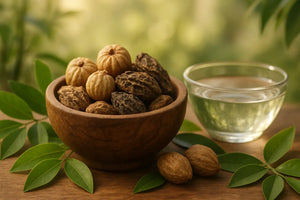
- Ceylon Cinnamon: Helps balance insulin and speed up metabolism
- Milk Thistle: Acts as an antioxidant and helps with fatty liver
It’s 100% plant-based, safe, and brings the power of Indian herbal traditions into one capsule. Explore Gluco Wise
Vita Blend is an all-in-one multivitamin with 23 vitamins, minerals, and 23 herbs like moringa, ashwagandha, curcumin, and ginseng for overall immunity, strength and gut health. Check Vita Blend
Frequently Asked Questions
-
What is Ashwagandha?
Ashwagandha is an ancient adaptogenic herb used in Indian medicine. It helps build strength and lower stress. -
How does Ashwagandha help with stress?
It works by lowering your cortisol (stress hormone) levels and helps you feel calm and focused. -
Is Ashwagandha safe for everyone?
It’s generally safe, but should be avoided by pregnant women or those with certain health problems. Always check with your doctor if unsure. -
How can fiber in Indian diet help metabolic health?
Fiber slows digestion, avoids sugar spikes, and feeds good gut bacteria—leading to better blood sugar and less risk of diabetes. More here. -
Can the Indian diet help with weight management?
Yes! With lots of plant-based foods, fewer processed and fried items, and more legumes, Indian diets can help control weight and cholesterol.
If metabolic health, immunity, or natural energy matters to you, make small changes: have one extra serving of vegetables, choose whole grains over white, and let your next meal be colored by the wisdom of Indian tradition!
To sum up, traditional Indian diets, which are filled with plant-based ingredients, whole grains, legumes, and natural spices, can make a noticeable difference in improving and maintaining metabolic health compared to Western diets dominated by refined carbs and highly processed foods. Evidence shows that eating more unprocessed, vegetarian foods, and less processed snacks and sweets helps lower the risk of diabetes, cardiovascular diseases, and gut-related issues. The important role of polyphenols, fiber, and antioxidant-rich foods commonly found in Indian meals supports a healthier gut microbiome and lowers inflammation, which benefits overall metabolic balance. Our Gluco Wise and Vita Blend are carefully crafted supplements with key herbs and nutrients highlighted in the traditional Indian diet, designed to further support blood sugar, cholesterol, and total metabolic wellness. For best results, pair any supplement with a balanced, fiber-rich diet inspired by native Indian traditions. Maintaining these habits with support from modern holistic supplements can help you achieve lasting metabolic health.
Key published evidence supports these conclusions:
- Polyphenols and resistant starch in plant foods help control glycemic index and digestion [1].
- Fermented teas and foods improve gut health and metabolic profiles [2].
- Plant polyphenols protect against advanced glycation and inflammation [3].
- Food processing and natural compounds, like EGCG, aid antioxidant delivery and gut health [4].
- Polyphenolic extracts maintain gut barrier health and reduce inflammation [5].