Ageing in India: Daily Nutrients After 40
Share
Ageing in India: Daily Nutrients After 40
Are you over 40 and wondering if your daily dietary habits are enough for your body’s changing needs? Many adults in India are surprised to discover their energy levels fluctuate or that bones are not as strong as before, even if they eat three meals a day. Your body’s nutritional needs change after 40—it’s not just about filling your stomach, but fueling your future with the right choices like a balanced diet, vitamin-rich foods, and careful nutritional assessment. Whether you’re following a paleo diet, vegan diet, or traditional meal plan, knowing what key nutrients to focus on can make a big difference.
Table of Contents
- Why Nutritional Needs Change After 40
- Key Nutrients for Healthy Ageing
- Ingredients Deep Dive
- Quora QnA: Answers by Real People
- Our Daily All Day Products for Ageing
- Frequently Asked Questions
Why Nutritional Needs Change After 40
Ageing changes how our body uses food. Muscle mass starts going down, bones lose calcium, and metabolism slows. If diet doesn’t adjust, common problems include:
- Feeling tired often (fatigue)
- Bone pain, muscle cramps
- Trouble managing weight
- Higher risk of lifestyle diseases like diabetes, cholesterol, or blood pressure
Studies show that as we age, our requirements for protein, calcium, and vitamin D actually increase, not decrease. Deficiency in vitamin D is a big issue, not just in India but globally. Research highlights that vitamin D affects more than bones; it also impacts heart, metabolism, and even cancer risks[3][4][5].
Key Nutrients for Healthy Ageing
- Protein: Needed for muscle maintenance. Sources: dairy, pulses, eggs, paneer, soy.
- Calcium: For strong bones (milk, curd, paneer, ragi, sesame seeds). Low calcium can affect bone and even reproductive health[1].
- Vitamin D: Needed to absorb calcium; also supports immunity and reduces chronic disease risk[3].
- Healthy Fats: Omega-3 from walnuts, flax, chia, and healthy Indian oils for joint and brain health.
- Fiber: For digestion, weight control, and sugar balance. Found in fruits, whole grains, dal, green vegetables.
- Antioxidants: Vitamins A, C, and E (in colorful produce—carrots, spinach, orange fruits like mango and papaya, and nuts).
- Magnesium, Potassium & Zinc: For heart, energy, immunity. Abundant in whole grains, dal, seeds, and nuts.
It’s important to hydrate well and maintain the right carbohydrate intake—carbohydrates foods like whole grains, potatoes (useful potato protein and energy), rice, and breads fuel daily energy needs.
Want to learn about why Indians feel tired even with good food? Read our blog on Why Indians Feel Tired All Day.
Ingredients Deep Dive
Here’s a closer look at healthy Indian foods and nutrients for people above 40:
- Mushrooms: Low in calories, good source of vitamin D (if sun-dried), and B vitamins. (Learn about gut health & mushrooms here)
- Eggs: High in protein, choline (for brain health), and good fats. 1 egg = about 6g protein, egg white is almost pure protein (more egg nutrition facts).
- Potatoes: Not just carbs—contain potassium, vitamin C, and some protein (about 2g per medium-size potato).
- Banana: Excellent for quick energy, potassium, B6, and keeping digestive system smooth. Bananas are also high in calories compared to other fruits—handy for breakfast!
- Milk & Milk Products: 100 ml contains ~3g protein, plus calcium and vitamin D if fortified. Curd packs probiotics for digestion too.
- Green Peas & Pulses: Both are great plant proteins, loaded with fiber, iron, and B-vitamins.
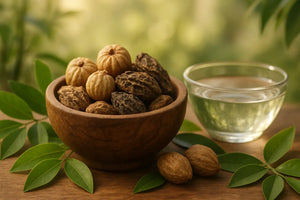
- Almonds & Walnuts: Brain-healthy omega 3 and 6 oils, vitamin E, healthy fats.
- Seasonal Fruits: Mango (vitamin A/C), apple (fiber, C, apple vitamins), watermelon (hydration), orange (vitamin C).
See our recent research on the health benefits of natural ingredients.
Balanced Meal Example
- 1 bowl daal (lentils) – protein & fiber
- 2-3 phulkas (roti) or 1 small bowl rice – carbohydrates
- 1 cup curd – calcium, probiotics
- Mixed vegetable sabzi – antioxidants
- Handful of soaked almonds or walnuts
- Seasonal fruit for dessert
This combination covers most nutrients—including protein, fiber, vitamins, carbohydrates, healthy fats, and antioxidants—for a healthy meal after 40.
Vitamin D Deep Dive
Vitamin D deficiency can negatively influence metabolism and insulin balance, especially when paired with obesity[4][6]. Deficient vitamin D is also a problem for bone health and may increase risk for chronic health conditions[3]. Your options:
- Get 15–20 mins sunlight daily (best natural source)
- Eat fortified dairy, eggs, mushrooms
- Supplementation (after consulting a doctor)
Learn more: Sun & Vitamin D
Quora QnA: Answers by Real People
We dug into Quora to bring practical guidelines about nutrition after 40 (see source, source, source, source, source):
- Get protein every day from dal, paneer, tofu, curd, or eggs (not just meat and fish).
- Women: focus strongly on dairy, seeds, and pulses for calcium, protein, and vitamin D.
- Fats should come from natural oils, nuts, and seeds (avoid too much ghee/butter).
- Try soaking nuts (10 almonds, 10 walnuts) overnight for better absorption.
- Whole grains like atta, brown rice, and millets keep your energy steady due to complex carbohydrates.
- Minimum daily need: 1700–2500 kcal, protein 0.8–1g per kg, carbs 250–300g, fats 40–60g, fiber 25–35g/day.
- For those already losing muscle after 50 (sarcopenia), higher protein (up to 1.2g/kg) is recommended.
- If your food covers all nutrients, supplements aren’t needed—but many people over 40 are low in vitamin D or B12, so get tested.
Our Daily All Day Products for Ageing
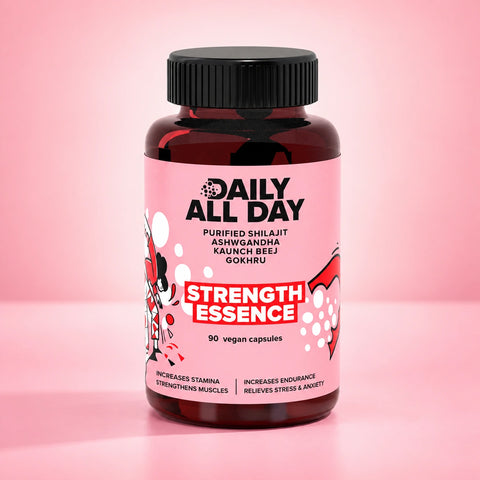
Daily All Day provides nutrition support for every age. Our products are formulated with natural, researched ingredients to support vitamin D, calcium, and protein needs, alongside immune support adaptogens. Find the perfect daily supplement blend to cover your nutritional gaps and promote graceful ageing.
Frequently Asked Questions
-
What is Ashwagandha?
Ashwagandha is an adaptogenic herb used in traditional Indian medicine to reduce stress and help overall well-being. -
How does Ashwagandha help with stress?
It lowers the hormone cortisol, promotes calmness, and may help boost mood naturally over time. -
Is Ashwagandha safe for everyone?
It is generally safe for adults but should be avoided during pregnancy and in some health conditions. Always consult a doctor if unsure. -
Do I need vitamin or mineral supplements after 40?
If your diet is balanced and contains enough fresh food, dairy, and sunshine, you may not need extra supplementation. However, many Indians are low in vitamin D or B12, so a test and doctor’s advice is helpful. -
Are a vegan diet or paleo diet suitable after 40?
Yes, both can be made healthy if planned—which may require fortified foods or added supplements to fill potential gaps in protein, vitamin B12, or vitamin D for vegans. -
How can I check if my diet has enough nutrients?
The easiest way is to track daily food choices and compare them to standard recommendations. A nutritional assessment by a clinical dietitian can help ensure you are meeting your needs and not risking nutrient deficiency or overconsumption. -
What are quick, easy foods to meet nutrient needs daily?
Eat mixed dal-rice, khichdi, paneer or curd with roti, vegetable sabzi with seeds, soaked nuts, and seasonal fruit. This simple Indian style meal covers most requirements for healthy ageing.
Conclusion
After 40, our bodies require a special focus on daily nutrients to stay healthy, energetic, and active. From protein to calcium, vitamin D, and healthy fats, each nutrient plays an important part in preventing age-related problems, supporting immunity, and keeping bones strong. India’s varied diets—paleo diet, vegan diet, and everything in between—can offer enough daily nutrition if chosen well, but many adults are still at risk for vitamin and mineral gaps, especially vitamin D and calcium deficiencies. Studies show a clear link between vitamin D deficiency and various health risks including cardiovascular and metabolic problems, especially in those with higher abdominal fat or pre-existing conditions[3][4][6]. Women and men should both choose more fruits, vegetables, mushrooms, nuts, seeds, milk, curd, and whole grains to supply key carbohydrates, fiber, and vitamins. Regular nutritional assessment, understanding nutritional value of everyday foods, and mindful supplementation (when necessary) keep you on track for healthy aging. Learn more about practical ways to fill these gaps in our other blogs, such as Vitamin D and Sun, Men's Daily Nutrition India, and Women's Nutrition and Balanced Diet. Stay informed, choose the right foods, and consult experts if you are unsure about supplementation. Birthdays may add years, but with a balanced diet and smart food choices, you stay truly young at heart.