Why Home-Cooked Food Isn’t Always Nutritionally Complete
Share
Table of Contents
- The Reality Behind Home-Cooked Meals
- How Cooking Changes Nutrition
- Common Nutrition Gaps in Home Meals
- Ingredients Deep Dive
- Quora Questions & Answers: Home-Cooked Food and Nutrition
- How to Make Home Food More Complete
- Our Products for Daily Nutrition
- Frequently Asked Questions
The Reality Behind Home-Cooked Meals
For most families, a warm home-cooked meal is a symbol of love and care. We often believe that what we cook at home is always healthier and full of nutrition. But is it really true that home food is nutritionally complete? Let’s explore why even the best homemade meals can sometimes lack key vitamins, minerals, or proteins needed for strong health, glowing skin, and energy.
Missing nutrients can happen because of:
- The loss of vitamins and minerals during cooking
- Lack of food variety—too much rice or roti, not enough fruits and protein
- Cooking styles that destroy sensitive nutrients
- Unawareness about micro- and macronutrients
Research shows that even with family meals cooked at home, most people don’t get all the nutrition they need daily[1] [2].
How Cooking Changes Nutrition
Did you know that carrots, potatoes, or peas lose some nutrients after boiling? Cooking can make food tastier and safer but impacts its nutritional value in several ways:
- Heat-sensitive vitamins (like Vitamin C and B-vitamins) are easily lost through boiling or frying.
- Water-soluble vitamins leak into the water during boiling.
- Long cooking times and high temperatures lower the nutritional value of many foods, especially greens, fruits, and some proteins.[3]
Studies have found that certain essential nutrients—like protein in pulses, egg nutrition, and vitamins in vegetables—decrease as we cook food for too long or at high heat.
Even certain minerals like potassium and calcium can lose their percentage during soaking or washing, as shown by recent nutrition studies[4].
Key Losses During Cooking
- Vitamin C (in beets, tomatoes, potatoes, and green peas nutrition)
- B vitamins (in rice, chana protein, wheat)
- Some antioxidants and healthy plant compounds in fruits
So, is home-cooked food healthy? Often yes, but only if you are aware of what’s missing and how to fill the gaps.
Common Nutrition Gaps in Home Meals
The Indian thali is famous, but most meals in India and around the world miss out on important macro- and micronutrients that the body needs every day. Here’s why:
- Heavy use of rice or chapati (carbohydrates foods): Lacks protein, iron, B12, or good fats
- Few fruits and vegetables: Reduces vitamins like C, A, and minerals like potassium, zinc
- Lack of proteins (egg whites nutrition, potato protein, peanuts nutrition): Many meals don’t have protein in every portion
Modern studies confirm these findings, showing gaps especially in vitamin D, calcium, iron, B vitamins, and protein even among people who cook often at home[5] [6].
Key Macro and Micronutrients Often Missing
- Vitamin D – Not present in most plant-based or home meals; Vitamin D deficiency is common.
- Calcium – Limited in chapati/rice-based diets; found in dairy, some beans, and greens
- Iron & Vitamin B12 – Not found in plant-based diets or just daal-chawal. Linked to fatigue
- Protein – Protein in one egg white is high, but not eaten regularly by all; pulses alone may not be enough
Special diets like the vegan diet or paleo diet may make these gaps bigger if not managed carefully.
Ingredients Deep Dive
Let’s look at some everyday foods and see why your daily plate might need a boost for optimal health:
Carbohydrates and Rice-based Meals
- Carbohydrates in rice is high, giving energy, but white rice is low on fiber, iron, and vitamins
- Millets and brown rice add more fiber and minerals; adding them helps micronutrient balance
Protein Power
- Dal, chana, and peas nutrition: Good for protein, but not a complete source by themselves (miss 1-2 essential amino acids)
- Egg whites nutrition: 5 egg white protein gives ideal protein, but not included in all diets
- Potato protein and nutritional value of mushrooms: Low protein type, so not enough by quantity alone
Vitamins and Fruits
- Banana nutrition & watermelon nutrition: Good for potassium and vitamin C
- Apple nutrition and apple vitamins: Nice vitamin C and fiber boost, but Vitamin D and B12 are missing
- Low calorie fruits like oranges, pomegranate nutrition, or beets nutrition add antioxidants
Vegetables
- Carrots nutrition provides vitamin A, but gets reduced if overcooked; the same is true for vitamins in carrots
- Sweet potato nutrition is high in vitamin A, fiber, and potassium
Dairy & Healthy Fats
- Milk nutrition provides calcium, protein, and vitamin D only if fortified
- Avocado nutrition offers healthy fats, rare in Indian diets
- Pale diets and vegan diets can become low in B12 and D if not managed
In summary, even popular meals made at home can be low in one or more nutritional values necessary for children, adults, and the elderly.
Quora Questions & Answers: Home-Cooked Food and Nutrition
- Does cooked food contain less nutrition? – Yes, cooking often reduces nutrition, especially water-soluble vitamins. (Answer on Quora)
- How much nutritional content is lost by cooking food? – Most foods lose some nutrients on cooking; steaming preserves the most. (Answer on Quora)
- Is home-cooked food healthy? – Usually yes, but not always complete. Hygiene is good, but nutrients still can get lost. (Answer on Quora)
- How does cooking at home impact dietary quality vs. eating out? – Home meals are healthier but must balance nutrition, not just taste. (Answer on Quora)
- To what extent does cooking affect nutritional value? – Cooking may help digestion, but also lowers some vitamin/mineral content. (Answer on Quora)
How to Make Home Food More Complete
Follow these steps to fill the nutritional gaps in your daily thali:
- Mix whole grains (brown rice/roti) with pulses and dairy for better energy and nutrition
- Add fresh fruits (banana, apple, orange, pomegranate) and colorful vegetables (carrots, beets, peas) daily
- Include protein sources: eggs, paneer, dal, soy, and sometimes nuts
- Use steaming, short cooking, and less oil for all veggies
- Check dietary needs based on age, region, and health (see: Nutrition after 40+)
- For strict vegan or vegetarian diets, review B12, D, calcium gaps
Our Products for Daily Nutrition
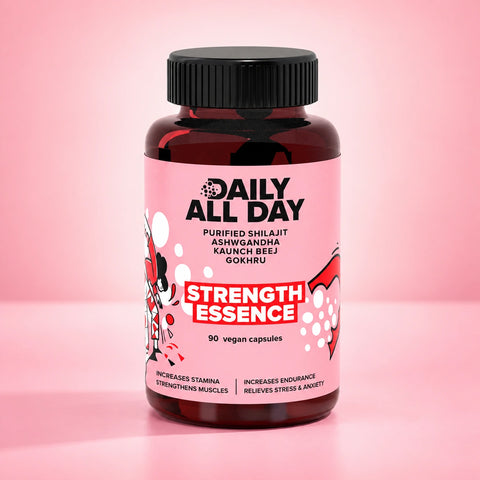
Even a well-planned home meal can miss some vitamins or minerals. That’s where Daily All Day's nutritional supplements and daily support packs help bridge gaps. Carefully created blends bring you the benefits of wholesome nutrients and optimize your wellness every day. Remember, you can’t always see a missing nutrient—but you will feel it in your daily energy and focus!
Frequently Asked Questions
-
How much nutrition is lost while cooking vegetables?
Most heat-sensitive and water-soluble vitamins, like vitamin C and B vitamins, can be reduced by 30-50% through boiling or frying. Steaming reduces this loss the most. -
Can traditional Indian diets fully support modern nutrition needs?
Traditional diets offer benefits, but changing lifestyles, food choices, and local soil quality often means some micronutrients (like D, B12, zinc) still fall short. Modern needs require a mindful approach. -
Are vegan or paleo diets always better than home-cooked meals?
These diets can be healthy if planned well but need constant checking for missing micronutrients and protein quality. -
How can I balance my home meal for my growing children?
Offer a colorful mix of fruits, veggies, whole grains, dairy, and good protein daily. Rotate foods to avoid missing any nutrient for long. -
Is it safe to take daily supplements if I eat home-cooked meals?
Supplements fill invisible gaps but should not replace balanced eating. Choose high-quality blends tested for purity, and take as recommended by a nutrition expert or your doctor.
While home-cooked food is loved in every household for its taste and safety, it is vital to remember it isn’t always nutritionally complete. Nutrition gaps happen due to lost nutrients during cooking, missing micronutrients, and a general lack of awareness of a truly balanced diet. Even with the best intentions, families can fall short in offering all essential vitamins, minerals, or protein needed for healthy living. Studies show that vitamin D, iron, calcium, B vitamins, and even good fats are often missing or reduced with common cooking habits and diet choices[1] [2] [3] [4] [5] [6]. For a truly balanced diet, be mindful, choose different food groups, eat fresh fruits and vegetables, add sources of carbs, protein, healthy fats and consider daily nutrition support if worried about hidden nutrient gaps. Even the best home kitchen can’t do it all alone—good health is about variety, knowledge, and smart everyday choices!