Daily Nutrition for Women: Key Nutrients Often Ignored
Share
Daily Nutrition for Women: Key Nutrients Often Ignored
Table of Contents
- Why Women’s Nutrition Needs Special Attention
- Commonly Ignored Nutrients in Women’s Daily Diet
- Ingredients Deep Dive: The Power of Each Key Nutrient
- Why Do Women Miss Out on These Nutrients?
- Simple Strategies for Better Daily Nutrition
- Quora QnA Highlights
- Frequently Asked Questions
Why Women’s Nutrition Needs Special Attention
Priya always wondered why she felt tired, even after eating home-cooked meals with her family in Mumbai. She noticed her hair was thinning and she struggled with concentration during work. Like Priya, many women unknowingly miss key nutrients their bodies need at different stages of life—from teenage years to pregnancy, motherhood, and menopause. The truth is, women’s bodies require a special mix of vitamins and minerals to keep bones strong, skin glowing, hormones balanced, and energy up.
Ignoring these nutrients isn’t just about feeling low; it can seriously affect health, mood, immunity, and even skin aging[5]. Understanding these gaps can lead to simple but powerful changes for lasting wellbeing.
Commonly Ignored Nutrients in Women’s Daily Diet
- Iron: For healthy blood and energy.
- Vitamin D: For strong bones and immunity.
- Vitamin B12 and Folate: For nerve health, cell growth, and preventing anemia.
- Magnesium: For muscle and nerve function, and sleep.
- Calcium: For bones and teeth.
- Omega-3 fatty acids: For heart, brain, and joint health.
- Protein: For muscles, hair, and hormone balance.
- Antioxidant Vitamins (A, C, E): For glowing skin and fighting cell damage.
Recent nutrition research in India reveals that women—regardless of age, income, or where they live—often fall short on these 8 nutrients[3]. Deficiencies can be worse for women on vegetarian diets, those who are pregnant, or those following traditional food taboos[2]. Dive deeper into balanced diets for women in India on our blog.
Ingredients Deep Dive: The Power of Each Key Nutrient
1. Iron
- Why Needed? Carries oxygen in blood, prevents anemia, keeps skin bright and mind sharp.
- Sources: Spinach, lentils, beans, pumpkin seeds, jaggery, tofu.
- Missed Often Because: Heavy periods, pregnancy, and low-meat diets increase risk.
- Signs of Lack: Tired all the time, pale skin, weak nails, frequent illness.
- Research Says: Even mild iron changes affect skin and can speed up aging[5].
2. Vitamin D
- Why Needed? Keeps bones strong, supports mood, plus boosts immune system.
- Sources: Morning sunlight, fortified milk, mushrooms, egg yolk (if non-veg), supplements.
- Missed Often Because: Indoor lifestyle, sunscreen, pollution, darker skin, and cultural clothing.
- Signs of Lack: Bone aches, weak grip, frequent colds, low mood.
- Read more about Vitamin D gaps.
3. Folate (Vitamin B9) and Vitamin B12
- Why Needed? Essential for new cell growth (important in pregnancy), brain health, and DNA repair.
- Sources: Green veggies, beans, nuts for folate; dairy and fortified foods for B12 (often missing in vegetarian diets).
- Signs of Lack: Tiredness, irritability, mouth ulcers, memory trouble.
- Research Notes: Not enough folate linked to weight and growth issues in teens[1].
- Food taboos in pregnancy can cause dangerous low B12 and folate[2].
4. Magnesium
- Why Needed? For better sleep, stress control, strong bones, and less PMS.
- Sources: Nuts (especially almonds), dark chocolate, leafy greens, whole grains.
- Signs of Lack: Muscle cramps, headaches, nervousness, sleep trouble.
5. Calcium
- Why Needed? Builds bones and teeth, helps blood clot, keeps muscles working.
- Sources: Dairy, sesame seeds, tofu, spinach, ragi (finger millet).
- Signs of Lack: Weak bones, dental problems, muscle cramps, brittle nails.
6. Omega-3 Fatty Acids
- Why Needed? Protects heart, sharpens mind, supports joint health, reduces inflammation.
- Sources: Flaxseeds, chia seeds, walnuts, canola oil.
- Signs of Lack: Dry skin, joint pain, mood swings, poor memory.
7. Protein
- Why Needed? Repairs every cell, supports hair and hormone health, aids recovery.
- Sources: Lentils, chickpeas, paneer, sprouts, dairy, soy, quinoa.
- Signs of Lack: Slow wound healing, hair fall, low muscle strength.
- Explore protein needs at our urban nutrition gaps blog.
8. Antioxidant Vitamins (A, C, E)
- Why Needed? Keeps skin youthful, protects cells from damage.
- Sources: Carrots, oranges, guava, almonds, sunflower seeds.
- Signs of Lack: Dull skin, slow healing, easy bruising.
Why Do Women Miss Out on These Nutrients?
- Tradition and Taboos: Avoiding certain foods (for example, during pregnancy) due to cultural beliefs can lead to dangerous nutrient gaps[2].
- Eating on the Go: Fast food and ultra-processed snacks often lack vital nutrients.
- Vegetarian Diets: Most common protein and B12 sources are animal-based, so vegetarians must plan carefully.
-
Poor Knowledge About Nutrition Labels: Many skip reading nutrition info when they buy foods.
Read our easy guide on why home-cooked food isn't always nutritionally complete.
Simple Strategies for Better Daily Nutrition
- Eat All the Colors! Different color veggies and fruits bring different nutrients. Fill half your plate with them.
- Check Nutrition Labels when buying packaged foods—look for iron, folate, vitamin D, and calcium content.
- Add Nuts and Seeds every day—almonds, walnuts, flaxseeds—great for protein, zinc, and omega-3s.
- Direct Sunlight for 15 minutes without sunscreen gives vitamin D boost.
- Limit Ultra-Processed Snacks—they often have little to no real nutrients.
- Supplements When Needed: After talking to your doctor, you can use vitamin D, calcium, or iron supplements, especially if blood tests show you lack them.
Explore Related Topics on Daily All Day
Quora QnA Highlights
- What vitamins and nutrients are usually missing from the average person's diet?—Vitamin D, omega-3 fatty acids, magnesium, and iron are the most often lacking. Read more on Quora
- What vitamins do I need to take every day to stay healthy?—Experts suggest everyone should consider vitamin D and C. Find the discussion here
- Which vitamins and minerals do you need daily?—Thirteen vitamins (A, B complex, C, D, E, K) and at least 16 minerals are needed for survival. View the list here
- What makes up a daily balanced diet?—Include fluids, proteins, carbs, fats, vitamins, and minerals. Learn more here
- How can women ensure enough nutrients while losing weight?—Eat diverse colored fruits/veggies and monitor intake, not just calories. See helpful tips
Frequently Asked Questions
-
What is Ashwagandha?
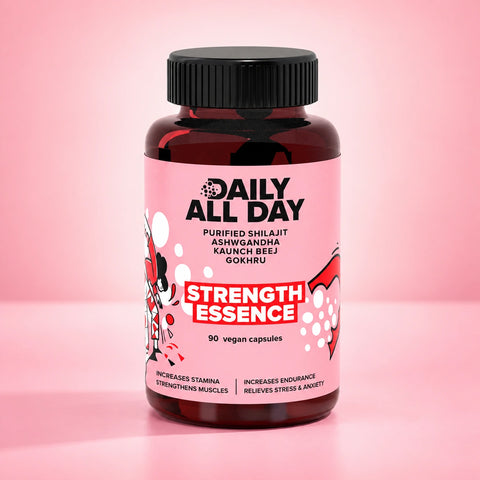
Ashwagandha is an adaptogenic herb used in traditional medicine to help your body manage stress and improve overall health. It is not a vitamin or mineral, but can support mental wellbeing. -
How does Ashwagandha help with stress?
Ashwagandha can lower your body’s cortisol levels, a hormone linked with stress, and make you feel calmer and more relaxed. -
Is Ashwagandha safe for everyone?
Generally, Ashwagandha is safe for most people. However, it should be avoided by pregnant women, those with thyroid issues, or anyone under specific medication, unless a doctor suggests otherwise. -
How do I know if I have a nutrient deficiency?
Some signs: feeling tired all the time, frequent colds, brittle nails, hair fall, trouble focusing, and slow healing. Blood tests confirm deficiencies. -
Is it okay to get vitamins from supplements?
Food is best, but if you have low levels or a limited diet, supplements (under doctor advice) are safe and helpful. This is especially true for vitamin D and B12.
It’s clear that daily nutrition for women is much more than just counting calories or eating three meals a day. Many key nutrients—especially iron, folate, vitamin D, magnesium, and omega-3 fatty acids—are commonly ignored, yet they play a crucial role in maintaining energy, bone health, skin radiance, mental clarity, and overall wellbeing. Given the unique physiological demands on women throughout life stages, these vitamins and minerals deserve special attention. Addressing cultural practices and dietary taboos can help combat deficiencies, as pointed out in recent research highlighting the risks of ignoring micronutrient intake during pregnancy and beyond[2]. Studies also show that nutrient gaps become even more common in women as they age or face health conditions[3].
Simple steps like reading nutrition labels, eating a rainbow variety, and considering targeted supplements can make all the difference. Remember, the journey to better nutrition is personal and gradual—small changes lead to big improvements over time. For more in-depth guidance, check out our other related blogs—like hidden nutrient gaps, or boosting vitamin D through sunshine and diet in this post. By prioritizing what your body truly needs, every woman can take charge of her health—one nutrient at a time.