Hidden Nutrient Gaps in Everyday Indian Diets
Share
Table of Contents
- Why So Many Indians Have Hidden Nutrient Deficiencies
- The Most Common Nutrient Gaps in Indian Diets
- Ingredients Deep Dive: Everyday Foods & What They Lack
- How Do These Gaps Affect Health?
- Why Are These Deficiencies Happening?
- Easy Ways To Fix Nutrient Gaps
- Quora Q&As – What People Are Asking
- Frequently Asked Questions
Why So Many Indians Have Hidden Nutrient Deficiencies
Imagine Rohan, a typical teenager living in an Indian city. He eats dal, rice, roti, and sabzi almost every day. His plate looks full. But just like most Indians, he feels tired, gets frequent colds, and sometimes finds it hard to focus. What's missing? Hidden nutrient gaps. Even when you eat enough food, you might still be lacking key nutrients. These gaps can cause serious problems, especially for kids, women, and older adults.
The Most Common Nutrient Gaps in Indian Diets
- Iron: Over half of Indian people, especially women and children, are low in iron, causing anemia and weakness.[3]
- Vitamin D: Nearly 70–90% of the population is low in vitamin D, even though India has plenty of sunshine.[3]
- Vitamin B12: This vitamin is missing in most vegetarian diets, leading to tiredness and forgetfulness.[1]
- Calcium: Young people (ages 10–30) are often short on calcium, which is important for strong bones.
- Folic Acid: Pregnant women need more, but many aren't getting enough, risking their baby's health.[1]
- Zinc: Important for immunity and wound healing, but missing from many plates.
More about nutrition gaps for different life stages and areas can be found in our dedicated blogs: Daily nutrients after 40 and urban nutrition deficiencies.
Ingredients Deep Dive: Everyday Foods & What They Lack
The typical Indian meal has dal, rice, roti, and some sabzi. These supply lots of energy but can miss out on some essential nutrients:
-
Rice and Wheat (carbohydrate foods): Great for calories, but low in protein, iron, and B12. White rice is also low in fiber.
Read more on balanced diet with home-cooked foods. - Dal (pulses): Good plant protein and iron, but still missing B12, found only in animal products. Dal needs to be paired with vitamin C-rich foods for better iron absorption.
- Dairy (milk, curd, paneer): Supplies calcium and some vitamin D (if fortified), but many skip dairy for different reasons.
- Vegetables: Offer vitamins and antioxidants but need to be eaten in big portions, which often doesn't happen.
- Fruits: Source vitamins like C and A, but these are sometimes missed in daily diets, especially for low-income families.
-
Eggs and Chicken (for non-vegetarians): Provide complete protein, iron, and B12.
See our blog on daily nutrition for men. - Mushrooms: Sometimes called the "vegetarian's meat." Good for B vitamins and have some vitamin D when sun-dried.
- Green Peas, Potatoes, Carrots: Commonly eaten but do not fill all nutrition gaps on their own.
Even nutritious foods like bananas, apples, or watermelon (which are great sources of vitamins and minerals) need to be included regularly for full benefits. Check their nutritional value before making them a big part of your meals.
Find more in-depth nutrition info on these ingredients in our related blog posts:
How Do These Gaps Affect Health?
When you miss key nutrients, your body can't function at its best. Here are some problems caused by these gaps:
- Anemia: Makes you feel tired and dizzy. Kids with anemia can't concentrate in school.[3]
- Poor growth: Kids don't reach their full height or weight.
- Weak bones: Lack of vitamin D and calcium can cause bone pain and fractures.[3]
- Poor immunity: More likely to fall sick because your body is not strong enough to fight germs.
- Problems in pregnancy: Not enough folic acid or B12 can harm both mother and baby (like neural tube defects).[1]
- Memory loss & lack of focus: Deficiencies can make you forgetful and slow.
Did you know? Even people who are overweight can have hidden deficiencies—a problem called the double burden of malnutrition.[2] Learn more about how a balanced macro and micronutrient diet supports all parts of your health!
Why Are These Deficiencies Happening?
- Refined Foods: Modern Indian diets have shifted towards white rice and processed wheat flour, which have fewer nutrients compared to whole grains.
- Poor Food Choices: Busy work or school life leads to easy snacks and junk foods that are high in calories but low in vitamins and minerals.
- Limited Budget: For many families, cost prevents buying fresh fruits, vegetables, dairy, or nuts daily.
- Food Taboos & Culture: Some foods are avoided for religious or cultural reasons, leading to missed nutrients.[1]
- Lack of Awareness: Many people just don't know what their bodies truly need for good health.
- Soil Depletion: Modern farming has led to lower levels of trace minerals in food.
- Less Sunlight Exposure: Urban lifestyles mean less time outside, worsening vitamin D deficiency.
Easy Ways To Fix Nutrient Gaps
- Add Color: Try to include 4–5 colors of vegetables and fruits in your daily meals.
- Include Dairy or Fortified Foods: Milk, curd, and fortified foods help boost calcium, vitamin D, and B12 intake.
- Eat Whole Grains: Use brown rice, whole wheat, or millets instead of white rice or maida.
- Pair Foods: Combine pulses and vitamin C-rich foods (like lemon) to boost iron absorption.
- Check Labels: Learn how to read nutrition labels to pick the right packaged foods.
- Consider Safe Supplements: Consult a healthcare expert for vitamin D, B12, or iron supplements when needed.
- More Sunlight: Spend at least 15 minutes outside daily for natural vitamin D.
- Public Health Programs: Support efforts that offer food fortification and awareness to communities.
Quora Q&As – What People Are Asking
-
What is wrong with the typical Indian diet?
- Usually low in protein, vitamin D, B12, and iron.
Read more: What is wrong with the typical Indian diet? -
What nutrition does the Indian vegetarian diet lack?
- Lacks vitamin B12, some proteins, and zinc.
See: Indian vegetarian diet lacks -
Why does a traditional Indian diet have less protein?
- Heavy use of cereals and fewer animal products.
See: Traditional Indian diet protein gap -
How did the Hindu handle the nutrient deficiency in their vegetarian diets centuries ago?
- Used dairy and sometimes traditional supplements.
Visit: History of handling nutrient deficiency
Our products related to the blog
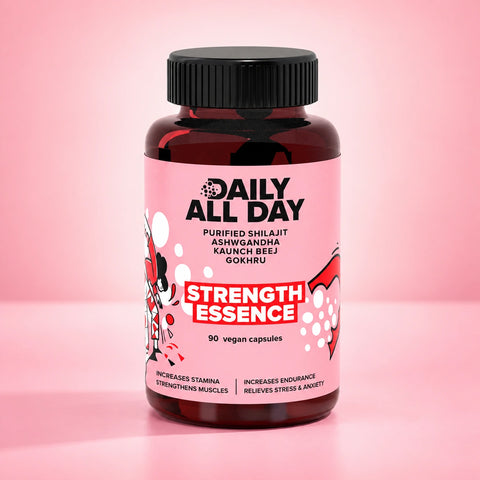
Explore Daily All Day nutrition solutions that help fill your gaps with safe, effective formulas of vitamins, minerals, and natural plant ingredients. Our range supports daily energy, immunity, and balanced growth for the whole family.
Frequently Asked Questions
-
What is Ashwagandha?
- Ashwagandha is an adaptogenic herb used in traditional medicine to help reduce stress and boost overall health. -
How does Ashwagandha help with stress?
- It helps lower cortisol (the stress hormone) and gives you a feeling of calmness. -
Is Ashwagandha safe for everyone?
- Usually yes, but pregnant women and people with specific health conditions should avoid it unless told by a doctor. -
What is hidden hunger?
- Hidden hunger means you may have enough food, but you miss out on key nutrients like vitamins and minerals, causing health problems. -
Why am I still tired even after eating well?
- You might be short on nutrients like iron or vitamin D, which foods alone may not fix. See more in our post here.
Hidden nutrient deficiencies, also known as 'hidden hunger,' affect millions of Indians, even though there is enough food to eat. Problems like iron, vitamin B12, vitamin D, and calcium deficiencies can cause health issues such as anemia, weak bones, and trouble thinking clearly. Cultural practices, fast-paced modern lifestyles, changes in farming, and economic stress all play a part in this growing problem. It is important for families to focus on a balanced diet rich in fruits, vegetables, legumes, and dairy, and use fortified foods when possible. Public health programs must also work to improve awareness and help fill these hidden gaps. For those with a vegetarian diet, it is extra important to check for vitamin B12 and iron deficiencies, as discussed in this guide. Addressing these gaps can make a difference in energy, growth, immunity, and overall wellbeing. For more information about why tiredness occurs despite regular eating and how vitamin D can make a difference, see this article or explore the importance of vitamin D supplementation here. Improving your daily plate with a mix of unprocessed, colorful foods and simple supplement strategies supports a happier, healthier life for all.
Pubmed citations used in this blog: [1] [2] [3] [4] [5] [6]